Introduction
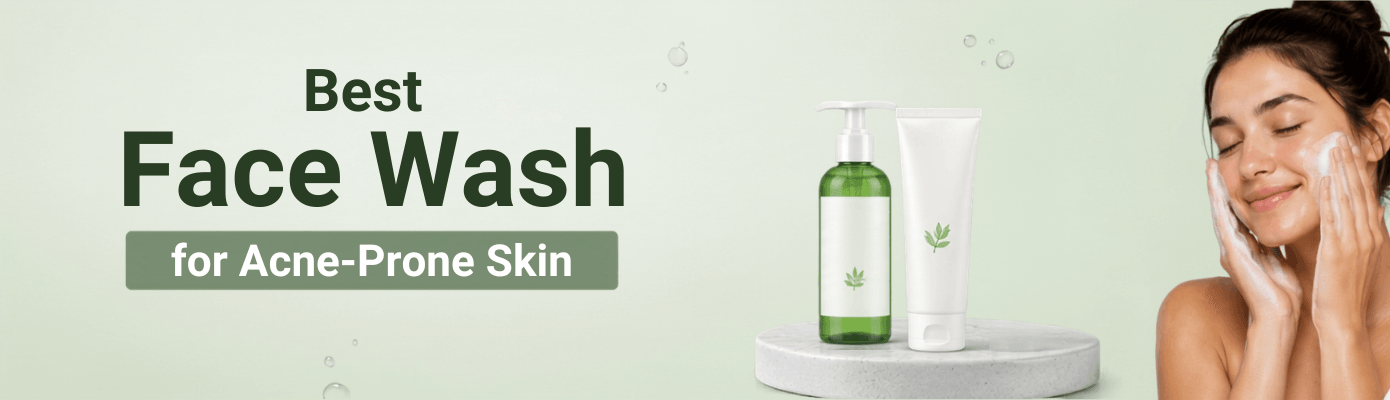
Acne-prone skin requires a cleanser that removes excess oil, dirt, sweat, sunscreen, and impurities without damaging the skin barrier. Choosing the wrong face wash can worsen breakouts, increase irritation, or trigger excess oil production. A well-formulated cleanser helps maintain balanced skin, reduce clogged pores, and support acne treatment routines effectively.
This GlamGuider guide covers everything you need to know about selecting the best face wash for acne-prone skin ,- including ingredients to look for, ingredients to avoid, usage tips, and top product recommendations.
Understanding the Why and the How
Understanding Acne-Prone Skin
Acne-prone skin is more susceptible to clogged pores, inflammation, excess sebum production, and bacterial buildup. Factors such as hormones, stress, genetics, humidity, diet, and harsh skincare products can contribute to breakouts.
A face wash designed for acne-prone skin should help:
- Remove excess oil
- Prevent pore congestion
- Reduce acne-causing bacteria
- Calm inflammation
- Maintain skin hydration
Using overly harsh cleansers strip natural oils and disrupt the skin barrier, leading to more irritation and increased oil production.
How to Choose the Best Face Wash for Acne-Prone Skin
1. Identify Your Skin Type
Acne-prone skin can still be:
- Oily
- Combination
- Dry
- Sensitive
Your skin type determines which cleanser texture and ingredients will work best.
2. Choose Non-Comedogenic Formulas
Non-comedogenic products are less likely to clog pores and trigger breakouts.
3. Avoid Overly Harsh Cleansers
Strong sulfates, excessive exfoliants, or high alcohol content can worsen irritation and sensitivity.
4. Consider Your Acne Type
- Blackheads and whiteheads - salicylic acid works well
- Inflamed acne - benzoyl peroxide may help
- Sensitive acne - soothing ingredients are preferred
- Hormonal acne - barrier-supportive cleansers can reduce irritation
5. Prioritize Barrier Support
Healthy skin barrier function is essential for acne recovery and long-term skin health.
How to Use Face Wash for Acne-Prone Skin
Step 1:
Wet your face with lukewarm water.
Step 2:
Take a small amount of cleanser and massage gently for 30-60 seconds.
Step 3:
Focus on oily areas such as:
- Forehead
- Nose
- Chin
Step 4:
Rinse thoroughly and pat dry using a clean towel.
Step 5:
Follow with:
- Toner or serum
- Moisturizer
- Sunscreen during daytime
Recommended frequency:
Twice daily for most skin types
Key Ingredients to Know
Ingredients to Look For
Salicylic Acid - Helps unclog pores, remove excess oil, and reduce blackheads and whiteheads.
Niacinamide - Controls excess sebum production, reduces redness, and strengthens the skin barrier.
Ceramides - Help maintain skin hydration and protect the skin barrier from dryness and irritation.
Benzoyl Peroxide - Targets acne-causing bacteria and helps reduce inflammatory acne and pimples. It may also cause irritation, dryness, and possible fabric bleaching in some individuals.
Zinc PCA - Helps regulate oil production and minimize shine without over-drying the skin.
Hyaluronic Acid - Provides lightweight hydration and prevents the skin from becoming dehydrated.
Tea Tree Oil - Offers antibacterial properties that may help reduce acne-causing bacteria. Best used in balanced formulations.
Centella Asiatica - Soothes irritated skin, reduces redness, and supports skin healing.
Green Tea Extract - Rich in antioxidants that help calm inflammation and control excess oil.
Glycerin - Draws moisture into the skin and prevents tightness after cleansing.
Ingredients to Avoid
Harsh Sulfates - Can strip the skin barrier and increase dryness.
Artificial Fragrance - May trigger irritation or sensitivity in acne-prone skin.
Denatured Alcohol - Excessive use may cause dehydration and barrier damage.
Physical Scrubs - Harsh particles can irritate active acne and may worsen irritation and inflammation.
Essential Oils - Some essential oils may irritate sensitive acne-prone skin.
Coconut Oil - Can clog pores for certain skin types.
Skin-Type or Concern-Specific Guidance
Oily + Acne-Prone
Choose gel or foaming cleansers with salicylic acid, niacinamide, or zinc PCA to control excess oil and prevent clogged pores. Lightweight, non-comedogenic formulas work best for this skin type.
Combination + Acne-Prone
Combination skin requires a balanced cleanser that controls oil without drying out the cheeks. Mild gel cleansers with low-strength salicylic acid or niacinamide are ideal.
Sensitive + Acne-Prone
Sensitive acne-prone skin benefits from fragrance-free, alcohol-free cleansers with soothing ingredients like centella asiatica, ceramides, and glycerin.
Dry + Acne-Prone
This skin type needs hydration alongside acne control. Choose cream or lotion cleansers with ceramides, glycerin, and low-dose salicylic acid or niacinamide. Avoid foaming cleansers with sulfates, as they can worsen dryness and barrier damage.
Acne-Prone + Dehydrated
Dehydrated skin lacks water and may feel tight even when oily. Use hydrating gel cleansers with hyaluronic acid, glycerin, and panthenol to maintain moisture levels while cleansing. Follow immediately with a hydrating serum or moisturizer while the skin is still damp.
Hormonal Acne-Prone
Hormonal acne appears around the jawline and chin. Gentle cleansers with benzoyl peroxide and and salicylic acid along with a consistent skincare routine can help reduce inflammation and control oil buildup without causing excessive dryness
Teen Acne-Prone Skin
Teenage acne-prone skin typically produces excess oil due to hormonal changes. Lightweight foaming cleansers with salicylic acid are effective for daily use.
Mature Acne-Prone Skin
Mature acne-prone skin requires formulas that address both breakouts and ageing concerns. Look for gentle cream cleansers with peptides, ceramides, niacinamide, and hydrating ingredients.
Acne-Prone + Barrier-Damaged Skin
If the skin barrier is compromised, focus on repairing and calming the skin before using strong acne treatments. Use minimal-ingredient cleansers with ceramides, panthenol, and glycerin.
Acne-Prone Skin in Humid Weather
In humid climates, excess sweat and oil can increase congestion and breakouts. Lightweight gel cleansers with salicylic acid or zinc PCA help maintain oil control without feeling heavy on the skin.
Do's & Don’ts
Do’s
- Choose a cleanser formulated for acne-prone skin with ingredients such as salicylic acid, benzoyl peroxide, or niacinamide.
- Wash your face twice daily, once in the morning and once before bed, to remove excess oil, dirt, and impurities.
- Use lukewarm water to cleanse the skin without causing irritation or dryness.
- Follow up with a lightweight, non-comedogenic moisturizer to maintain a healthy skin barrier.
- Apply sunscreen daily as many acne-fighting ingredients can increase sun sensitivity.
- Be consistent with your skincare routine and allow products time to show results.
Don’ts
- Don’t overwash your face as excessive cleansing can trigger increased oil production and irritation.
- Don’t use hot water since it can strip the skin's natural moisture and worsen redness.
- Don’t combine multiple strong active ingredients without professional guidance.
- Don’t skip moisturizer even if your skin feels oily, as dehydration can aggravate acne.
- Don’t use harsh scrubs or abrasive cleansing tools that can inflame active breakouts.
- Don’t pick, squeeze, or scrub acne lesions during cleansing, as this can lead to scarring and infection.
Glam Wrap-Up: Final Tips & Takeaway
The best face wash for acne-prone skin helps control excess oil, unclog pores, and reduce breakouts without compromising the skin barrier. Ingredients such as salicylic acid, niacinamide, benzoyl peroxide, and ceramides can support clearer, healthier-looking skin when used consistently. Avoid harsh cleansers, over-cleansing, and abrasive scrubs, as these can worsen irritation and acne. By choosing a cleanser suited to your skin type and concerns, you can build a routine that helps manage breakouts while keeping your skin balanced and comfortable. Explore our top recommendations below to find the right face wash for your acne-prone skin.