Introduction
Oily skin is one of the most commonly misunderstood skin types. If your face turns shiny within a couple of hours of washing, your pores appear enlarged, or you deal with frequent breakouts, you are not alone.
The right face wash for oily skin should remove excess sebum without disrupting your skin barrier.This GlamGuider guide covers everything from the science of oily skin to the ingredients to look for so you can find a cleanser that works long-term.
Understanding the Why and the How
Understanding oily skin
Sebum is a natural oil secreted by your sebaceous glands. It exists to protect and hydrate your skin but when those glands go into overdrive (due to genetics, hormones, humidity, stress, or even over-washing), you end up with oily skin.
Features of Oily Skin
- Excess sebum - Overactive sebaceous glands produce more oil than skin needs, leading to greasiness and enlarged pores.
- Clogged pores - Excess oil mixes with dead skin cells and debris, causing blackheads and whiteheads.
- Breakouts - Breakouts in oily skin occur when excess sebum combines with dead skin cells to clog your hair follicles or visible and lead to bacteria growth.
How to choose the right face wash for oily skin
- Formula type - Gel cleansers and foam cleansers are lightweight and refreshing. Avoid cream or balm formulas for oily skin.
- Active ingredients - Salicylic acid, niacinamide, zinc, tea tree or AHA/BHA blends are your allies.
- pH level - Your skin's natural pH is 4.5–5.5. Look for pH-balanced formulas (ideally 4.5 - 6) to support barrier health.
- Non-comedogenic claim - Always prefer "non-comedogenic" products for acne-prone oily skin.
Key Ingredients to Know
Ingredients to look for :
How to use a face wash for oily skin
- Wet your face with lukewarm water - Hot water strips natural oils.
- Dispense a pea- to coin-sized amount onto your fingertips - You do not need more as excess product creates more foam, not better cleansng.
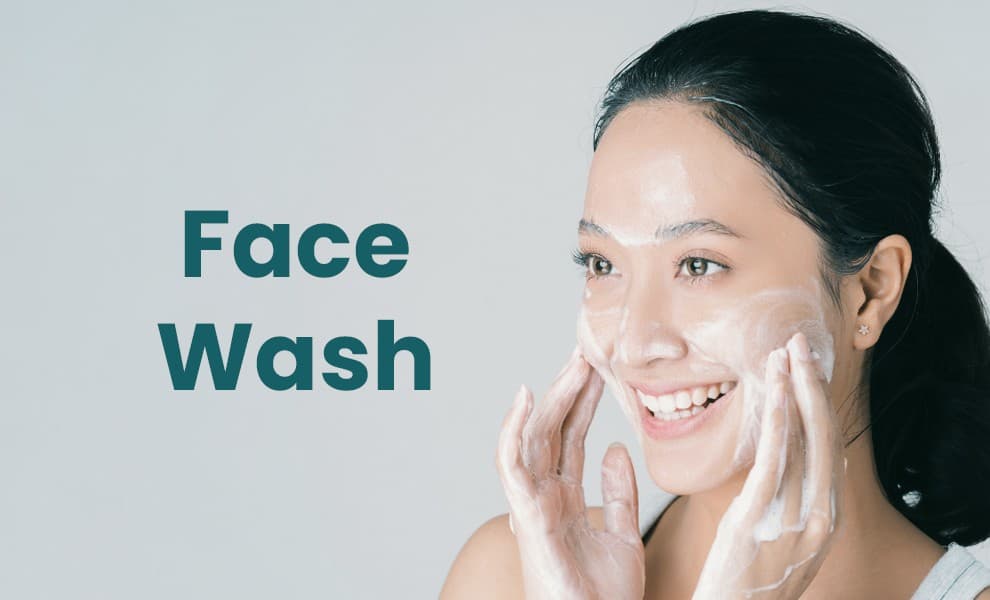
- Massage gently in circular motions for 30–60 seconds - Focus on oily zones (forehead, nose, chin) but cover the full face. Avoid harsh scrubbing.
- Rinse thoroughly with lukewarm water - Make sure no residue remains around the hairline or jawline.
- Pat dry gently with a clean towel - Do not rub. Follow immediately with toner (optional), serum and a lightweight non-comedogenic moisturiser.
- Frequency - Twice daily morning and night. Add a wash post-workout if you exercise, to prevent sweat-triggered breakouts.
Ingredients to avoid
- Alcohol (denatured) - Dries the surface but destabilises the barrier long-term.
- Heavy fragrance - Irritates skin and worsens sensitivity in oily-acne types.
- Coconut oil - Highly comedogenic and; clogs pores.
- Very high BHA % (above 2%) - High strength in a rinse-off product can over-dry.
- Menthol / camphor - Feels refreshing but irritates and disrupts the barrier.
Skin-type and concern-specific guidance
Oily + acne-prone
Prioritise salicylic acid (2%) and niacinamide. Avoid physical scrubs during active breakouts. Gel cleansers generally work better than foam for this type.
Oily + combination
Use a balanced gel cleanser once daily. Focus cleansing on the T-zone. Avoid applying strong actives to drier cheek areas.
Oily + sensitive
Skip salicylic acid and opt for niacinamide and zinc-based cleansers. Fragrance-free is non-negotiable. Mild foam only.
Oily + mature skin
Balance sebum control with hydration. AHA cleansers (glycolic acid) support cell turnover.
Do's & Don’ts
Do's
- Choose a cleanser suited for oily, acne-prone, or combination skin types.
- Cleanse your face twice daily to keep excess oil and impurities under control.
- Use a lightweight, non-comedogenic moisturiser after cleansing to maintain hydration.
- Wash your face with lukewarm water to protect the skin's natural barrier.
- Look for gentle cleansers with skin-friendly ingredients and mild surfactants.
- Seek professional advice if you have eczema, rosacea, or are using prescription retinoids.
Don'ts
- Don't wash your face excessively, as over-cleansing can trigger increased oil production.
- Don't skip moisturiser, even if your skin feels oily.
- Don't use very hot water, which can strip away essential protective oils.
- Don't rely on harsh sulfate-based cleansers that may damage the skin barrier over time.
- Don't use abrasive physical scrubs on active acne, as they can worsen irritation and inflammation.
- Don't leave cleanser residue on your skin; rinse thoroughly, especially around the hairline and jawline.
Glam Wrap-Up: Final Tips & Takeaway
The best face wash for oily skin removes excess oil, dirt, and impurities without stripping your skin or damaging its natural barrier. Look for gentle gel or foaming cleansers with ingredients like salicylic acid, niacinamide, and avoid harsh sulfates, alcohol-heavy formulas, and pore-clogging ingredients. With the right cleanser and a consistent twice-daily routine, oily skin can stay balanced, clearer, and healthier-looking over time.
Here are our top recommended face washes for oily skin to help control excess oil and keep your skin fresh and balanced.
- CeraVe Foaming Facial Cleanser - Gently removes excess oil while helping maintain the skin’s natural barrier.
- La Roche-Posay Effaclar Purifying Gel - Cleanses oily skin effectively without stripping moisture.
- Neutrogena Oil-Free Acne Wash - Helps fight acne and control excess oil with salicylic acid.
- The Inkey List Salicylic Acid Cleanser best for visible pores - Unclogs pores and reduces their appearance while controlling oil buildup.
Gentle gel texture with 2% salicylic acid. Works well for pore-clogging issues. Suitable for daily use. Pairs well with a niacinamide serum in a routine.