- Home
- Blogs
Beauty DIY & Home wellness
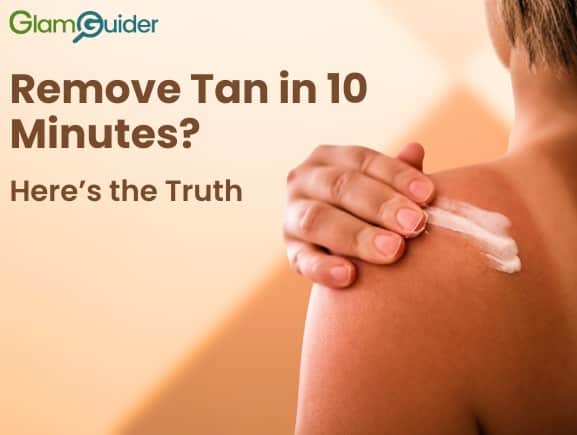
How to Remove Tan in 10 Minutes: What Actually Works (and What Doesn’t) in 2026
March 25, 2026
Let’s be real…
If you step out in India for even 10–15 minutes, your skin can tan
From daily commutes to vacations tanning happens faster than you think.
And you will have lot of suggestions and tips around “Remove tan instantly in 10 minutes”
But here’s the truth
You can’t completely remove tan in 10 minutes
But you CAN instantly improve how your skin looks and gradually reduce tanning over time
Why Does Skin Tan?
When your skin is exposed to UV rays, it produces melanin to protect itself.
This is what causes your skin to darken.
For Indian skin:
- Tanning happens faster
- It tends to stay longer
- It often appears uneven or patchy
What You Can vs Can’t Do in 10 Minutes
What you can do instantly:
- Remove dead, dull skin
- Improve brightness and texture
What takes time:
- Deep pigmentation
- Uneven skin tone
- Sun damage repair
What Actually Works in 10 Minutes
1. Gentle Exfoliation (Most Effective)
This is the fastest way to see visible results.
It works by removing the top layer of dead and tanned skin cells, revealing fresher skin underneath.
Look for ingredients like:
- Glycolic Acid
- Lactic Acid
- Papaya Enzymes
These provide controlled exfoliation and immediate smoothness.
2. Brightening Ingredients (Long-Term Support)
These don’t work instantly but help reduce tan over time:
- Vitamin C → improves dullness
- Niacinamide → evens skin tone
- Kojic Acid → targets pigmentation
Explore ingredient-based skincare on GlamGuider:
Do Home Remedies Work?
Some home remedies can help but they are mild and slow but definitely makes your skin feel fresh instantly.
✔️ Tomato + Curd → mild exfoliation
✔️ Aloe Vera → soothing and calming
❌ Lemon → can irritate and damage skin
These methods may improve skin gradually, but they are not instant solutions
Natural Exfoliation
You can use a gentle homemade exfoliator:
Mix rice powder + red lentils (masoor dal) + oats
Add milk or water to form a paste
Use once or twice a week
Glam Tips:
- Use gently (avoid scrubbing harshly)
- Not suitable for sensitive or acne-prone skin
- Overuse can damage skin barrier
Smart Tan Removal Routine (GlamGuider Method)
Follow this simple routine:
Step 1: Cleanse your skin
Step 2: Use gentle exfoliation (2–3 times/week)
Step 3: Moisturize well
Step 4: Apply sunscreen daily (non-negotiable)
Check sunscreen recommendations
Glam Final Take
You can’t erase tan in 10 minutes, but you can make your skin look better instantly with the right approach.
The real results come from:
- Consistency
- Smart ingredient choices
- Daily sun protection
Be informed and Make Smart choice.
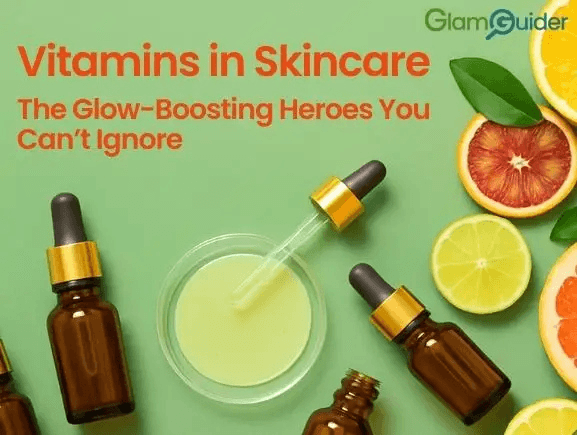
Vitamins in Skincare: The Glow-Boosting Heroes You Can’t Ignore
August 22, 2025
In today’s beauty world, skincare isn’t just about looking good but about feeling healthy and confident. While the market is full of fancy claims, the real game-changers often come down to one word: Vitamins.
From brightening dark spots to protecting against pollution and even blue light damage (yes, your screen time counts!) vitamins have become the must-have ingredients in modern skincare routines. But which ones actually matter and how should you use them? Let’s break it down.
Why Vitamins Are the Future of Skincare?
Vitamins are no longer just in your morning smoothie, they’re front and center in serums, creams, and masks. Why? Because they:
- Repair and renew damaged skin cells.
- Slow down visible signs of aging.
- Protect against pollution, UV rays, and digital blue light.
- Hydrate and strengthen the skin barrier.
- Even out tone and restore glow.
Think of them as your skin’s daily nutrient boost, tailored to modern lifestyle challenges.
The Star Vitamins in Skincare (and Why They Trend):
1. Vitamin C (The Glow Master)
- Fights dullness, fades pigmentation, and boosts collagen.
- Latest trend: Vitamin C with Ferulic Acid a duo that stabilizes the formula and supercharges results.
- Best used: Morning (always with SPF).
2. Vitamin A / Retinol (The Anti-Aging Pro)
- Reduces wrinkles, smooths texture, and fights acne.
- Trending now: Encapsulated Retinol & Retinaldehyde gentler, more stable versions for sensitive skin.
- Best used: Nighttime routine.
3. Vitamin E (The Skin Shield)
- Locks in hydration and fights free radical damage.
- Trending combo: Vitamin E + C together, they’re more powerful against UV damage.
4. Vitamin B3 / Niacinamide (The Multi-Tasker)
- Evens tone, minimizes pores, calms redness, and strengthens the barrier.
- Huge trend: 10% Niacinamide serums lightweight, oil-control, and acne-friendly.
5. Vitamin B5 / Panthenol (The Soother)
- Hydrates, calms irritation, and repairs stressed skin.
- Trending use: Found in gel moisturizers for barrier repair (perfect for “skin cycling” nights).
6. Vitamin D (The Repairer)
- Helps in cell renewal and reduces inflammation.
- Rising trend: Vitamin D-enriched creams to offset the lack of sun exposure from indoor lifestyles.
Pro Tips for Vitamin-Boosted Skincare
✔ Patch test always - especially for potent actives.
✔ Timing matters - Vitamin C by day, Retinol by night.
✔ Pair smartly - Niacinamide calms, Retinol works harder.
✔ Consistency is key - visible results often take 6–8 weeks.
✔ Storage hack - Vitamin C serums should be kept in cool, dark places to prevent oxidation.
Final Takeaway:
Vitamins in skincare are not just another beauty fad they’re the building blocks of healthy, resilient skin. Whether your concern is glow, hydration, acne, or anti-aging, there’s a vitamin for you.
The smartest move? Don’t overload your routine. Instead, pick one or two vitamins that directly target your skin’s needs, use them consistently, and let your skin do the glowing.
Glow smarter, not harder. Vitamins are your skin’s secret weapon. When chosen right, they can transform your routine from basic to brilliant.
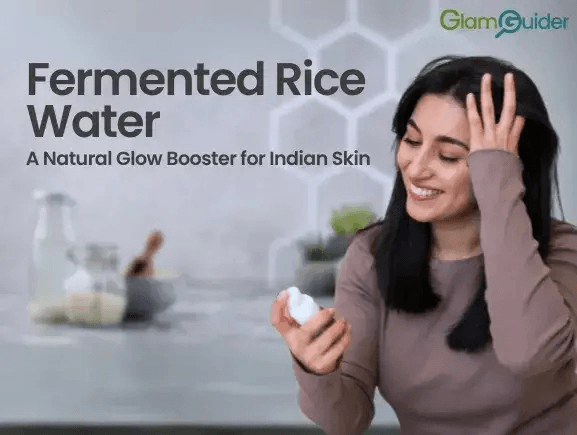
Fermented Rice Water – A Natural Glow Booster for Indian Skin
August 01, 2025
Ancient Asian beauty meets Indian skincare needs fermented rice water is quickly becoming a favorite for its brightening, soothing, and anti-aging benefits. But is it really effective for Indian skin types? The answer is a glowing yes.
What is Fermented Rice Water?
It’s the nutrient-rich liquid left after soaking or boiling rice, then fermenting it for 24–48 hours. This process enhances its potency, packing it with amino acids, vitamins (like B3 and E), antioxidants, and skin-loving enzymes.
Key Skin Benefits:
✅ Brightens and Evens Skin Tone
Rich in niacinamide (vitamin B3), fermented rice water targets pigmentation, dark spots, and dullness issues common in Indian skin exposed to sun and pollution.
✅ Soothes Sensitive and Irritated Skin
It has natural anti-inflammatory properties that calm redness, sunburn, and sensitivity ideal for hot, humid Indian weather.
✅ Anti-Aging and Firming
The antioxidants in fermented rice help fight free radicals and support collagen production, reducing fine lines and sagging over time.
✅ Strengthens Skin Barrier
Fermentation adds probiotics that support the skin’s microbiome, enhancing hydration and protection from environmental stressors.
Is It Good for Indian Skin? Yes! Fermented rice water is gentle, lightweight, and well-suited for Indian skin tones and types. It tackles pigmentation, tanning, and uneven tone while being safe for sensitive or combination skin.
How to Use It?
- Toner: Apply daily with a cotton pad or spray bottle
- DIY Mask: Soak a cotton sheet in rice water and place on face for 15 minutes
- Serum or Cream: Opt for store-bought products with fermented rice extract
Pro tip: Always refrigerate homemade rice water and use within 5–7 days.
Caution:
Avoid using overly fermented or unclean rice water. Those with acne-prone or oily skin should test first, as fermentation may not suit everyone.
Final Thoughts:
Fermented rice water is a clean, effective, and skin-friendly ingredient that deserves a spot in your beauty ritual. Especially for Indian skin types struggling with dullness and pigmentation, this ancient remedy offers gentle, glowing results.
Explore more natural ingredient guides and science-backed product picks at GlamGuider.com
Rosemary Water Benefits for Hair & Skin A GlamGuider Clean Beauty Essential
June 12, 2025
In the world of clean beauty and natural wellness, few ingredients have stood the test of time like rosemary. But lately, it’s not just the essential oil that’s gaining attention rosemary water is trending across beauty forums, DIY skincare videos, and holistic haircare routines. This gentle yet powerful herbal infusion is becoming a go-to for those looking to improve scalp health, reduce acne, and revive dull skin and all without harsh chemicals.
In this blog, we dive into what makes rosemary water such a powerhouse, how you can use it for hair and skin, and whether it's truly worth the hype.
What is Rosemary Water?
Rosemary water is a natural infusion made by steeping fresh or dried rosemary leaves in water. This process releases the herb’s essential nutrients such as antioxidants, antimicrobial compounds, and anti-inflammatory agents into a gentle tonic that can be used topically.
Unlike heavy oils, rosemary water is lightweight, non-greasy, and easy to incorporate into your daily beauty routine. Whether you're trying to reduce hair fall or simply refresh your skin, it can be a versatile addition to your regimen.
Rosemary Water for Hair: Natural Support for Growth & Shine:
1. Boosts Hair Growth
Rosemary is known to stimulate blood circulation in the scalp, which can encourage hair follicles to grow thicker, stronger hair. Some research even suggests it may be as effective as over-the-counter hair regrowth solutions like minoxidil without the irritation.
2. Reduces Hair Fall & Dandruff
Its anti-inflammatory and antimicrobial properties can soothe scalp conditions like dandruff, itchiness, and buildup that often lead to hair fall.
3. Adds Natural Shine & Volume
With regular use, rosemary water can enhance your hair’s texture, reduce frizz, and restore shine especially if used as a final rinse.
How to Use It for Hair?
-Spray directly onto the scalp as a leave-in tonic
-Use as a post-shampoo rinse
-Mix with aloe vera or rice water for added nourishment
Rosemary Water for Skin: Gentle, Effective, Refreshing:
1. Balances Oily Skin
Rosemary acts as a natural astringent, helping to reduce excess oil without over-drying. This makes it ideal for acne-prone or combination skin types.
2. Calms Acne & Redness
Thanks to compounds like cineole and rosmarinic acid, rosemary water has antibacterial and anti-inflammatory properties that can reduce breakouts and soothe irritated skin.
3. Revives Dull Skin
Spritzing rosemary water throughout the day can offer a refreshing glow, helping to tone and wake up tired skin.
How to Use It for Skin?
-Apply as a face toner after cleansing
-Use in DIY face masks or scrubs
-Mist over the face for on-the-go hydration
DIY: How to Make Rosemary Water at Home
If you love DIY beauty, rosemary water is super simple to make:
Ingredients:
-2 cups of filtered water
-1–2 sprigs of fresh rosemary (or 1 tbsp dried)
Method:
-Boil the water in a pan.
-Add rosemary and simmer for 15–20 minutes.
-Let it cool completely.
-Strain and pour into a spray bottle.
-Store in the refrigerator for up to 7 days.
You can also add a few drops of tea tree or lavender oil for extra skincare benefits.
Precautions before:
-Always do a patch test before using it regularly, especially if you have sensitive skin.
-Store it in a cool place or refrigerator to prevent bacterial growth.
-Don’t expect overnight miracles. Like most natural remedies, consistency is key.
GlamGuider Picks: Rosemary-Infused Products We Love
If you're not into DIY, these curated rosemary-based beauty products are worth checking out:
-Juicy Chemistry Rosemary & Biotin Hair Tonic – Great for thinning hair and breakage
-Arata Scalp Refresh Tonic – Targets itchy, flaky scalp
-Earth Rhythm Rosemary Face Mist – Perfect for oily or acne-prone skin
Have you tried rosemary water in your routine? Tag us on Instagram @GlamGuiderofficial and share your results, and we might just feature your transformation!
Natural Hair Care Routine for Men and Women: Moisturizing Tips for Healthy Hair
May 09, 2025
Healthy, glossy hair isn’t just about DNA it’s about commitment, the right practices, and using products that nourish without harming. If you’re dealing with hair fall, dryness, or breakage, building a natural hair care routine tailored to your needs is the first step toward transformation.
At GlamGuider, we believe in clean, effective beauty. Here’s a comprehensive hair care routine and tips that’s easy to follow and rooted in nature.
Step 1: Understand Your Hair & Scalp Type
A successful hair care routine begins with knowing your hair’s texture straight, wavy, curly, or coily and your scalp type (dry, oily, sensitive, or balanced). This foundation helps you choose the right natural ingredients and products for long-term results.
Step 2: Use a Gentle, Sulphate-Free Hair Cleanser
Ditch the harsh chemicals like SLS and SLES that strip your scalp’s natural oils. Instead, cleanse with shampoos containing natural surfactants such as reetha, apple cider vinegar, or coconut-derived cleansers.
Step 3: Weekly Deep Conditioning is a Must
One of the best hair moisturizing tips is to indulge in a deep conditioning session once a week. Look for masks enriched with shea butter, argan oil, or plant-based keratin.
Pro Tip: Wrap your hair in a warm towel post-application to boost absorption and repair.
Step 4: Lock in Moisture with a Leave-In Serum
After your wash, protect your strands with a natural leave-in conditioner or serum. This helps reduce frizz, retain moisture, and shield hair from heat damage if styling.
Choose serums with vitamin E, marula oil, or silk proteins for shine and strength.
Step 5: Don’t Ignore Scalp Health
Great hair starts at the roots. Massage your scalp regularly with cold-pressed oils like castor, neem, or jojoba to improve blood flow and promote stronger strands.
DIY Scalp Oil Recipe: Blend coconut oil with a few drops of rosemary essential oil for growth stimulation.
Step 6: Limit Heat Styling
Frequent use of heat tools can dehydrate and damage hair. If you must style, always use a ceramic tool with temperature control, and apply a natural heat protectant spray beforehand.
Step 7: Nighttime Hair Protection
Swap your cotton pillowcases for silk or satin to reduce breakage and frizz while you sleep. You can also braid your hair loosely to minimize tangles and friction.
Step 8: Eat for Your Hair
Hair reflects your inner health. Boost your diet with hair-loving nutrients such as biotin, omega-3 fatty acids, iron, and zinc. Add foods like eggs, nuts, leafy greens, and flaxseeds to your meals for natural strength and shine.
Step 9: Be Consistent and Patient
A truly effective natural hair care routine takes time. You don’t need dozens of products just a few clean, effective, and consistent choices.
At GlamGuider, we champion natural, sustainable hair care. A mindful routine that combines clean ingredients, simple steps, and patience can do wonders. Trust in transparency, and choose products that are cruelty-free, toxin-free, and earth-friendly.
Ready to transform your hair, naturally? Start today and let your strands thank you tomorrow.
Struggling with Excessive Sweating? Let’s Talk Solutions!
March 28, 2025
Hyperhidrosis is a medical condition characterized by excessive sweating beyond what is necessary to regulate body temperature. This excessive sweating can occur in specific areas (focal hyperhidrosis) like the hands, feet, underarms, and face, or it can affect the entire body.
Sweating more than usual? Hyperhidrosis can be frustrating damp palms before a handshake, underarm stains ruining your confidence, or just feeling uncomfortable all day. But don’t worry, natural solutions exist!
At GlamGuider, we’re all about organic and sustainable sweat-control options. Here are some top picks:
✅ Aluminum-Free Natural Deodorants – Stay fresh without harsh chemicals! Need a recommendation based on your sweat intensity? Comment on our page or reach out to our customer care team!
✅ Organic Body Powders – Keep your skin dry and fresh with eco-friendly, talc-free powders.
✅ Botanical Antiperspirant Sprays – Plant-based, gentle, and effective for all-day sweat control.
✅ Sweat-Wicking Clothing – Combine breathable fabrics with your skincare routine for extra comfort!
Stay dry the natural way! Discover our best sustainable picks at GlamGuider.com
Have you tried any of these? Drop “Informative” in the comments if you liked our blog and follow us for many such!
#StayFresh #HyperhidrosisHelp #GlamGuider
Simple Home made Pedicure: The Most Overlooked Skincare Routine
February 12, 2025
Our feet are the unsung heroes of our daily lives, carrying us through every step, yet they often receive the least attention in our skincare routines. Neglecting foot care can lead to a variety of issues, from dry, cracked skin to infections and discomfort. It's time to give our feet the care they deserve. With a simple at-home pedicure kit and a nourishing foot cream, you can rejuvenate your feet, ensuring they stay healthy, soft, and beautiful.
Why Foot Care Matters?
- Proper foot care is essential for maintaining overall well-being and preventing common foot problems. Regular foot care helps prevent
- Cracked Heels: Neglected dry skin can lead to painful cracks and even infections.
- Fungal Infections: Unclean feet can become breeding grounds for fungi, leading to conditions like athlete’s foot.
- Calluses and Corns: Continuous wear and tear can cause thickened skin that can be painful.
- Ingrown Nails: Improper nail care can lead to nails growing into the skin, causing pain and potential infections.
A consistent foot care routine enhances comfort, flexibility, and overall hygiene, contributing to a better quality of life.
Essential Foot Care Practices:
To keep your feet in top condition, incorporate these habits into your routine:
- Daily Cleansing: Wash your feet thoroughly with mild soap and water, ensuring you clean between the toes. Dry them completely to prevent fungal growth
- Moisturizing: Apply a high-quality foot care cream daily to keep the skin hydrated. Opt for formulas containing urea or glycerin for maximum moisture.
- Exfoliation: Use a foot scrub or pumice stone to remove dead skin, focusing on areas prone to calluses.
- Proper Nail Care: Trim toenails straight across to prevent ingrown nails. Smooth rough edges with a nail file.
- Supportive Footwear: Wear well-fitting shoes that provide ample support, avoiding high heels and tight footwear that can cause long-term damage.
The Role of Foot Cream in Skincare:
A good foot cream is a vital part of any foot care regimen. Its regular use:
- Prevents dryness and cracked heels
- Restores softness to rough, damaged skin
- Protects against infections and external irritants
When choosing a foot cream, opt for products with hydrating ingredients rather than those containing harsh chemicals or strong fragrances that could irritate the skin.
Benefits of Using a DIY Pedicure Kit:
Investing in a pedicure kit for home use provides numerous advantages:
1) Cost-Effective: Saves money compared to frequent salon visits
2) Convenient: Allows you to care for your feet on your own schedule.
3) Customized Care: Enables you to address specific foot concerns with tailored treatments.
A comprehensive pedicure kit typically includes essentials such as cuticle pushers, a pumice stone, nail clippers, and a nail file everything needed for an effective at-home pedicure.
How to Do a Perfect At-Home Pedicure?
Pamper your feet with a relaxing and rejuvenating pedicure using these simple steps:
1. Soak Your Feet: Fill a basin with warm water and add Epsom salts or mild soap. Soak for 10-15 minutes to soften skin and nails.
2. Exfoliate: Use a foot scrub or pumice stone to remove dead skin, focusing on heels and calluses.
3. Trim & Shape Nails: Cut toenails straight across and smooth edges with a nail file to prevent ingrown nails.
4. Care for Cuticles: Gently push back cuticles with a cuticle pusher avoid cutting them to prevent infections.
5. Moisturize & Massage: Apply a thick layer of foot cream and massage it in to boost circulation and hydration.
For effective foot care, select a high-quality pedicure kit by considering the following factors:
- Material Durability: Opt for stainless steel tools to prevent rust and ensure longevity
- Essential Tools: A well-rounded kit should include nail clippers, a pumice stone, a foot scrub brush, a nail file, and a cuticle pusher.
- Ergonomic Design: Tools should be easy to use for a comfortable grooming experience.
- Storage Case: A case helps keep tools organized and protected.
Conclusion:
When it comes to skincare, our feet often get overlooked, but they deserve just as much attention as our hands and faces. With the right pedicure tools, you can transform your at-home foot care routine into a spa-like experience. From callus removers to nourishing foot creams, maintaining smooth, healthy feet has never been easier. Don’t let foot care slip through the cracks healthy feet are the foundation of overall wellness. Treat your feet well, and they’ll carry you forward in comfort and style! Discover a range of foot care products on GlamGuider to keep your feet soft and healthy.
Which is the Best Skincare Routine: Quick Tips For Minimalist Beauty
February 07, 2025
Not everyone has time for an elaborate skincare routine. But the good news? You don’t need dozens of products to achieve healthy, glowing skin. A minimalist skincare routine focuses on essentials, making it easier to maintain radiant skin without the clutter.
If you love simplicity but still want results, here’s how to build the best skincare routine with just a few key steps.
1. Understand Your Skin’s Needs
Before you invest in skincare products, take a moment to understand your skin type and what it requires:
- Dry skin → Needs extra hydration and moisture.
- Oily skin → Benefits from lightweight, non-greasy formulas.
- Combination skin → Requires a balance of hydration and oil control.
- Sensitive skin → Prefers gentle, fragrance-free products.
A minimalist routine works best when you focus on products that truly benefit your skin type rather than overwhelming it with unnecessary steps.
2. Stick to the 3-Step Basics
The most effective skincare routine doesn’t have to be complicated. Focus on these three essentials:
- Cleanse – Removes dirt, oil, and impurities without stripping your skin.
- Moisturize – Keeps your skin hydrated and balanced.
- Protect – Sunscreen prevents premature aging and sun damage.
Simple Daily Routine:
Morning: Cleanser → Moisturizer → Sunscreen
Night: Cleanser → Moisturizer (or a nourishing serum if needed)
That’s it! By sticking to this foundational routine, your skin will stay clean, hydrated, and protected.
3. Choose Multi-Tasking Products
Minimalist skincare is all about efficiency. Opt for products that serve multiple functions:
- Gentle cleanser – Cleans and removes makeup without stripping moisture.
- Tinted moisturizer with SPF – Hydrates, protects, and evens skin tone in one step.
- Face oil with antioxidants – Moisturizes while fighting signs of aging.
Using multi-purpose products saves time, money, and space while keeping your routine streamlined.
4. Exfoliate Wisely (But Not Every Day)
Exfoliation removes dead skin cells, promoting a brighter complexion. However, too much exfoliation can lead to irritation. Aim for 1-3 times per week, depending on your skin’s sensitivity.
Opt for gentle exfoliants like:
- Lactic acid (for dry and sensitive skin)
- Salicylic acid (for oily and acne-prone skin)
- Enzyme-based exfoliants (for a mild, natural approach)
5. Keep It Natural & Simple
A minimalist routine also means choosing clean, non-toxic ingredients. Avoid products with harsh chemicals, artificial fragrances, and alcohol. Instead, look for:
- Aloe Vera – Soothes and hydrates.
- Jojoba Oil – Balances oil production.
- Hyaluronic Acid – Deeply hydrates.
- Vitamin C – Brightens and evens skin tone.
Natural, organic skincare is better for your skin and the planet!
6. Don’t Overdo It! Let Your Skin Breathe
Using too many products can overload your skin, leading to irritation and breakouts. A minimalist approach allows your skin to heal and regulate itself naturally.
7. Stay Consistent & Hydrated
A great skincare routine only works if you stick to it. Consistency is key! In addition to using the right products, focus on:
- Drinking water – Hydration starts from within.
- Getting enough sleep – Skin repairs itself at night.
- Eating healthy – Nutrient-rich foods help maintain a radiant glow.
Keep It Simple & Effective
Minimalist skincare is about using fewer, high-quality products that truly work for your skin. If you cleanse, moisturize, and protect daily, you’re already ahead in the skincare game.
Less is more – your skin will thank you!
Which is the Best Skincare Routine: Quick Tips For Minimalist Beauty
Not everyone has time for an elaborate skincare routine. But the good news? You don’t need dozens of products to achieve healthy, glowing skin. A minimalist skincare routine focuses on essentials, making it easier to maintain radiant skin without the clutter.
1. Understand Your Skin’s Needs
Before you invest in skincare products, take a moment to understand your skin type and what it requires:
- Dry skin → Needs extra hydration and moisture.
- Oily skin → Benefits from lightweight, non-greasy formulas.
- Combination skin → Requires a balance of hydration and oil control.
- Sensitive skin → Prefers gentle, fragrance-free products.
A minimalist routine works best when you focus on products that truly benefit your skin type rather than overwhelming it with unnecessary steps.
2. Stick to the 3-Step Basics
The most effective skincare routine doesn’t have to be complicated. Focus on these three essentials:
- Cleanse – Removes dirt, oil, and impurities without stripping your skin.
- Moisturize – Keeps your skin hydrated and balanced.
- Protect – Sunscreen prevents premature aging and sun damage.
Simple Daily Routine:
Morning: Cleanser → Moisturizer → Sunscreen
Night: Cleanser → Moisturizer (or a nourishing serum if needed)
That’s it! By sticking to this foundational routine, your skin will stay clean, hydrated, and protected.
3. Choose Multi-Tasking Products
Minimalist skincare is all about efficiency. Opt for products that serve multiple functions:
- Gentle cleanser – Cleans and removes makeup without stripping moisture.
- Tinted moisturizer with SPF – Hydrates, protects, and evens skin tone in one step.
- Face oil with antioxidants – Moisturizes while fighting signs of aging.
Using multi-purpose products saves time, money, and space while keeping your routine streamlined.
4. Exfoliate Wisely (But Not Every Day)
Exfoliation removes dead skin cells, promoting a brighter complexion. However, too much exfoliation can lead to irritation. Aim for 1-3 times per week, depending on your skin’s sensitivity.
Opt for gentle exfoliants like:
- Lactic acid (for dry and sensitive skin)
- Salicylic acid (for oily and acne-prone skin)
- Enzyme-based exfoliants (for a mild, natural approach)
5. Keep It Natural & Simple
A minimalist routine also means choosing clean, non-toxic ingredients. Avoid products with harsh chemicals, artificial fragrances, and alcohol. Instead, look for:
- Aloe Vera – Soothes and hydrates.
- Jojoba Oil – Balances oil production.
- Hyaluronic Acid – Deeply hydrates.
- Vitamin C – Brightens and evens skin tone.
Natural, organic skincare is better for your skin and the planet!
6. Don’t Overdo It! Let Your Skin Breathe
Using too many products can overload your skin, leading to irritation and breakouts. A minimalist approach allows your skin to heal and regulate itself naturally.
7. Stay Consistent & Hydrated
A great skincare routine only works if you stick to it. Consistency is key! In addition to using the right products, focus on:
- Drinking water – Hydration starts from within.
- Getting enough sleep – Skin repairs itself at night.
- Eating healthy – Nutrient-rich foods help maintain a radiant glow.
Keep It Simple & Effective
Minimalist skincare is about using fewer, high-quality products that truly work for your skin. If you cleanse, moisturize, and protect daily, you’re already ahead in the skincare game.
Less is more – your skin will thank you!
Easy DIY Hair Care Recipes for Kids and Pre teens
January 07, 2025
These gentle, all-natural recipes are perfect for maintaining healthy, nourished hair for babies and children. Each recipe uses organic ingredients and avoids harsh chemicals to protect delicate scalps and hair.
1. Nourishing Baby Hair Oil
Ingredients:
- 2 tablespoons organic coconut oil
- 1 tablespoon almond oil
- 2–3 drops of chamomile essential oil
Instructions:
- Mix the oils in a small, clean jar.
- Warm a small amount in your hands before applying.
- Gently massage onto the baby’s scalp to moisturize and improve circulation.
- Rinse off with lukewarm water during the next bath.
Benefits:
- Prevents dryness and cradle cap.
- Promotes healthy hair growth.
2. Gentle Detangling Spray for Kids
Ingredients:
- 1 cup water
- 1 tablespoon aloe vera gel
- 1 teaspoon coconut oil
- 3 drops lavender essential oil (for a calming scent)
Instructions:
- Combine all ingredients in a spray bottle and shake well.
- Spray lightly on damp or dry hair before combing.
- Use a wide-tooth comb to detangle gently.
Benefits:
- Reduces tangles and minimizes breakage.
- Adds moisture and shine.
3. Soothing Cradle Cap Treatment
Ingredients:
- 1 teaspoon olive oil
- 1 teaspoon coconut oil
- 1 teaspoon organic sugar
Instructions:
- Mix the ingredients to create a gentle exfoliating scrub.
- Apply to the baby’s scalp and massage gently in circular motions.
- Leave it on for 10 minutes, then rinse with a mild baby shampoo.
Benefits:
- Loosens flakes associated with cradle cap.
- Keeps the scalp hydrated.
4. Hydrating Hair Mask for Kids
Ingredients:
- 1 ripe banana
- 2 tablespoons organic yogurt
- 1 teaspoon honey (for children over 3 year old)
Instructions:
- Mash the banana and mix in the yogurt and honey until smooth.
- Apply to the hair and scalp, focusing on dry or frizzy areas.
- Leave on for 10–15 minutes, then rinse with lukewarm water.
Benefits:
- Deeply nourishes and softens hair.
- Adds natural shine.
5. Herbal Rinse for Shine
Ingredients:
- 1 cup chamomile tea (for lighter hair) or rosemary tea (for darker hair)
- 1 teaspoon apple cider vinegar
Instructions:
- Brew the tea and let it cool.
- Add the apple cider vinegar and mix well.
- After shampooing, pour the rinse over the hair and scalp. Do not rinse out.
Benefits:
- Enhances natural hair color and shine.
- Soothes the scalp and balances pH.
These recipes are simple to make, use accessible ingredients, and are tailored to be gentle enough for babies and children. By incorporating these natural hair care solutions into your routine, you can ensure your child’s hair remains healthy and vibrant.
Explore More: Check out our curated list of organic and sustainable baby care products on GlamGuider.
Stay Connected: Follow us on Instagram for more tips, or reach out via our Contact Us page for personalized recommendations. Let’s make gentle, natural care a part of your family’s lifestyle!
Skin care Routines and Guide
Skincare Ingredients Not to Use Together
May 30, 2026
Introduction
Building a skincare routine today can feel overwhelming. One product promises glowing skin, another targets acne, while another claims to erase fine lines overnight. With so many active ingredients, it’s easy to end up mixing products that do more harm than good. One of the biggest skincare layering mistakes is assuming that more actives mean better results. In reality, certain combinations can irritate the skin, weaken the skin barrier, and even make products less effective.
If you’ve ever wondered about which skincare ingredients not to mix together, this guide from Glamguider breaks it down in a simple, beginner-friendly way.
Retinol and AHAs/BHAs
Retinol and exfoliating acids are both powerful skincare ingredients. When used together they can overwhelm the skin. AHAs (like glycolic acid and lactic acid) and BHAs (like salicylic acid) work by exfoliating the skin. Retinol speeds up cell turnover and improves texture, acne, and fine lines.
While both are effective individually, layering them in the same routine can cause over-exfoliation. Common side effects include:
● Peeling
● Irritation
● Tightness
● Dry patches
● Compromised skin barrier
How to Use Retinol and AHAs/BHAs Safely
● Using exfoliating acids in the morning and retinol at night
● Alternating between them on different days
● Starting slowly with lower concentrations
If your skin feels irritated, focus on hydration and barrier repair before reintroducing these active ingredients.
Retinol and Benzoyl Peroxide
While both skincare ingredients target breakouts, using them together can damage the skin barrier. Benzoyl peroxide is an antibacterial ingredient used for acne treatment. Retinol helps unclog pores and improve skin texture. Benzoyl peroxide can oxidize retinol, potentially making it less effective.
At the same time, both ingredients are drying on their own. Combined together, they can lead to:
● Excessive dryness
● Redness
● Peeling
● Skin sensitivity
How to Use Retinol and Benzoyl Peroxide Safely
● Benzoyl peroxide in the morning
● Retinol at night
● Alternate usage on different nights
Adding a moisturizer with ceramides or hyaluronic acid can also help support the skin barrier.
Retinol and Vitamin C
Both retinol and vitamin C are top skincare ingredients. Vitamin C helps brighten the skin and protect against environmental damage, while retinol targets signs of aging, acne, and uneven texture. But using retinol and vitamin C together in the same routine can irritate the skin, especially for beginners.
One reason is that vitamin C formulas work best at a low pH, while retinol functions at higher pH levels. Layering strong concentrations of both increase sensitivity and neutralize each other's benefits.
How to Use Retinol and Vitamin C Safely
● Vitamin C in the morning
● Retinol at night
This method benefits the skin without irritating or damaging the skin barrier. Some modern skincare formulas are designed to stabilize both ingredients together. If your skin tolerates them well, certain combination products may work.
Vitamin C and Benzoyl Peroxide
Vitamin C is known for its antioxidant benefits, but pairing it with benzoyl peroxide may reduce its effectiveness. Benzoyl peroxide can oxidize vitamin C, making the antioxidant less stable.
How to Use Vitamin C and Benzoyl Peroxide Safely
● Vitamin C in the morning
● Benzoyl peroxide at night
This prevents ingredient conflict while still helping address acne and pigmentation concerns.
Vitamin C and AHAs/BHAs
Vitamin C, AHAs, and BHAs are all powerful skincare ingredients known for improving dullness, uneven texture, acne, and pigmentation. AHAs like glycolic acid and lactic acid exfoliate the skin’s surface, while BHAs like salicylic acid penetrate deeper into pores to reduce oil and breakouts. Vitamin C, on the other hand, is an antioxidant that brightens the skin and helps protect against environmental damage.
Since all three ingredients are active and formulated at low pH levels, layering them together can increase the risk of:
● Redness
● Stinging
● Dryness
● Over-exfoliation
● Skin barrier irritation
How to Use Vitamin C and AHAs/BHAs Safely
● Use vitamin C in the morning
● Exfoliating acids at night
● Alternate usage on different days
● Start with lower concentrations
Adding hydrating ingredients like hyaluronic acid, ceramides, or panthenol can also help reduce irritation.
Retinol and Physical Scrubs
Retinol increases skin cell turnover, which makes the skin more sensitive. Adding harsh physical scrubs can lead to irritation and micro-tears in the skin. Scrubs with large particles or rough textures can cause:
● Redness
● Sensitivity
● Peeling
● Inflammation
Better Alternatives
Instead of aggressive scrubs, try:
● Gentle enzyme exfoliants
● Soft washcloths
● Mild chemical exfoliation occasionally
Skincare Ingredient Conflicts Chart
|
Ingredient 1 |
Ingredient 2
|
Can You Use Them Together? |
Side Effects
|
|
Retinol |
AHA/BHA |
Not ideal
|
Over-exfoliation, peeling and irritation |
|
Retinol |
Benzoyl Peroxide |
Not ideal |
Retinol becomes less effective and excessive dryness |
|
Retinol |
Vitamin C |
With caution |
Irritation and sensitivity |
|
Vitamin C |
Benzoyl Peroxide
|
Avoid together
|
Vitamin C oxidation and reduced effectiveness |
|
Vitamin C |
AHA/BHA |
Not ideal |
Stinging and irritation in sensitive skin |
|
Retinol |
Physical Scrubs |
Avoid together |
Skin barrier damage and inflammation |
Conclusion
Understanding skincare ingredient compatibility can save your skin from unnecessary irritation and frustration. While active ingredients can deliver results, using them incorrectly damages the skin barrier. The key is to keep your routine balanced, introduce active ingredients slowly, and pay attention to how your skin reacts. Healthy, glowing skin comes from consistency and smart layering.
At GlamGuider, we believe skincare should feel simple, effective, and stress-free. Stay connected with GlamGuider for skincare advice for more expert-backed skincare tips, ingredient guides, and beginner-friendly routines.
What Is PDRN Skincare and How Does It Work on the Skin?
May 14, 2026
Introduction
You’ve probably seen PDRN everywhere from luxury serums to in-clinic skin boosters. This regenerative skincare ingredient is becoming a must-have for smoother, healthier, and youthful-looking skin.
In this guide, we break down everything you need to know about the benefits of PDRN, how it works, who should use it, and its side effects.
What Is PDRN in Skincare?
PDRN stands for Polydeoxyribonucleotide, a compound made up of small DNA fragments. It is derived from purified salmon DNA, chosen for its compatibility with human skin. PDRN has a unique ability to support skin regeneration at a cellular level. It works deeper to help repair damaged skin, making it a standout ingredient in modern anti-aging skincare.
You can find PDRN in multiple forms:
● Serums and ampoules for at-home use
● Injectable skin boosters in clinics
● Recovery-focused facials
How Does PDRN Work on the Skin?
PDRN helps the skin heal, repair, and renew itself at cellular level. It does this through a few key mechanisms:
Stimulates Cell Regeneration
PDRN provides building blocks that help damaged skin cells recover and regenerate. This is especially beneficial for stressed, aging, or mature skin.
Boosts Collagen Production
By encouraging fibroblast activity (the cells responsible for collagen), PDRN helps improve skin firmness and elasticity, reducing visible signs of aging.
Improves Blood Circulation
It enhances microcirculation in the skin, delivering more oxygen and nutrients to skin cells. This results in a healthier, more radiant complexion.
Activates Skin Repair Pathways
PDRN interacts with specific receptors in the skin, known as adenosine A2A receptors, which play a role in reducing inflammation and accelerating tissue repair.
PDRN Serum Benefits for Skin
When used consistently in your skincare routine, PDRN can transform the way your skin looks and feels. Here are some key PDRN serum benefits for skin:
● Deep hydration: Helps restore moisture balance and strengthen the skin barrier
● Improved texture: Smooths rough or uneven skin
● Reduced fine lines: Supports firmer, plumper skin over time
● Enhanced glow: Boosts radiance by improving skin health from within
● Faster recovery: Helps heal damaged or sensitive skin
PDRN Skin Booster Results: What to Expect
One of the biggest reasons behind PDRN’s popularity is its visible and progressive results.
Immediately after use
● Skin feels hydrated and refreshed
● A subtle glow and plumpness becomes noticeable
Within 2 to 4 weeks:
● Improved texture and smoothness
● Reduced redness and sensitivity
Long-term results:
● Firmer, more elastic skin
● Softer fine lines and wrinkles
● An overall healthier-looking complexion
Who Should Use PDRN?
PDRN is a versatile ingredient that works well for many skin concerns. It is beneficial for:
● Aging skin: Helps reduce fine lines and improve elasticity
● Sensitive or damaged skin: Supports healing and reduces inflammation
● Post-acne or scarred skin: Encourages repair and smoother texture
● Dull or dehydrated skin: Restores glow and hydration
PDRN Skincare Side Effects
One of the advantages of PDRN is that it is well-tolerated by most skin types. However, like any skincare ingredient or treatment, there can be minor side effects, like
● Mild redness or irritation
● Temporary swelling (after injections)
● Rare allergic reactions
These PDRN skincare side effects are usually temporary and are more commonly associated with in-clinic procedures rather than topical products.
How to Use PDRN in Your Skincare Routine
Incorporating PDRN into your routine is relatively simple.
At-home use
● Apply PDRN serum after cleansing and toning
● Follow with moisturizer to lock in hydration
● Use consistently for the best results
Professional treatments
● Done in sessions spaced a few weeks apart
● Best performed by trained dermatologists or licensed professionals
Combining both approaches can help you maximize results while maintaining long-term skin health.
Conclusion
The skincare industry is shifting from quick fixes to long-term solutions. PDRN works at a deeper level to repair, regenerate, and strengthen the skin. This makes it a powerful addition to anti-aging skincare and for those looking for sustainable, science-backed results.
As with any skincare ingredient, consistency, quality products, and understanding what your skin’s needs are key. For more expert-backed skincare guides, ingredient breakdowns, and product recommendations tailored for Indian skin, explore more on Glamguider.
FAQs
1. What does PDRN do for the skin?
PDRN helps repair damaged skin, boost collagen production, and improve skin health, leading to smoother and younger-looking skin.
2. Is PDRN better than hyaluronic acid?
They serve different purposes. PDRN focuses on repair, while hyaluronic acid provides hydration. Using both together can be beneficial.
3. How long does it take to see PDRN skin booster results?
Initial hydration and glow may appear quickly, while noticeable results such as reduced sensitivity and improved skin texture develop over a few weeks.
4. Is PDRN safe for sensitive skin?
Yes, it is well-tolerated by most skin types. However, patch testing is recommended before use.
5. Can PDRN help with acne scars and skin repair?
Yes, PDRN supports skin regeneration, making it helpful for improving skin texture post-acne and aiding skin repair at a cellular level.
What Is Niacinamide and Is It Safe for Indian Skin?
May 04, 2026
Introduction
If you are into skincare trends lately, you’ve seen niacinamide everywhere from serums to moisturizers and sunscreens. Beyond the hype, one question matters most: what is niacinamide and is it safe for Indian skin types?
Niacinamide is one of the beginner-friendly and research-backed ingredients in modern skincare. But to benefit from it, you need to understand how niacinamide works, what niacinamide is, the right percentage for your skin type, benefits for dark spots and acne, and its side effects. Let’s break it down in a simple and practical way for Indian skin concerns.
What Is Niacinamide?
Niacinamide, also known as Vitamin B3, is a water-soluble vitamin that plays an important role in maintaining healthy skin. It supports the skin barrier, improves texture, and addresses multiple concerns at once. Niacinamide is gentle, making it suitable for beginners and sensitive skin types.
How does niacinamide work on Indian skin?
Niacinamide works at a cellular level to:
● Strengthen the skin barrier
● Regulate oil (sebum) production
● Reduce inflammation
● Improve uneven skin tone
● Minimize the appearance of pores
Benefits of Niacinamide for Skin
Niacinamide is a multitasker skincare ingredient that targets several common skin concerns faced by Indian skin.
Niacinamide for Acne and Oily Skin
If you struggle with excess oil, clogged pores, or frequent breakouts, niacinamide can be a game-changer. Niacinamide:
● Helps regulate sebum production
● Reduces redness and inflammation associated with acne
● Supports faster healing of breakouts
Niacinamide for Dark Spots
Hyperpigmentation or dark spots is one of the most common concerns for Indian skin tones due to higher melanin levels. Niacinamide helps by:
● Slowing down melanin transfer to the skin’s surface
● Fading post-acne marks and sun spots
● Improving skin texture and clarity
Niacinamide for Even Skin Tone
Dullness caused by pollution, sun exposure, and stress is common in Indian climates.
Niacinamide:
● Revives tired-looking skin
● Enhances natural glow
● Promotes a more even complexion
Niacinamide for Strengthening the Skin Barrier
A compromised skin barrier can lead to sensitivity, dryness, and irritation. Niacinamide boosts ceramide production, which:
● Locks in moisture
● Protects against environmental damage
● Keeps skin resilient
Niacinamide for Anti-Ageing
Consistent use of niacinamide in your anti ageing skincare routine can help:
● Reduce fine lines
● Improve elasticity
● Smooth skin texture
Is Niacinamide Safe for Indian Skin?
Let’s address the big question: is niacinamide safe for Indian skin? Niacinamide is considered safe and effective for all skin types, including melanin-rich Indian skin.
Why it works well for Indian skin
● Targets pigmentation without lightening your natural skintone
● Controls oil production in humid climates
● Strengthens the skin barrier against pollution
● Doesn't make your skin more sensitive to sunlight, making it easier to use in daily routines
Best Niacinamide Percentage for Indian Skin
|
Niacinamide Percentage |
Who It’s Best For
|
Key Benefits
|
Notes |
|
2–5%
|
Beginners, sensitive skin |
Hydration, barrier repair |
Gentle and well-tolerated |
|
5–10% |
Acne-prone, oily skin, pigmentation-prone skin |
Oil control, acne reduction, brightening |
Most commonly recommended range |
|
Above 10%
|
Dermatologist prescribed for severe skin conditions |
Intensive treatment for stubborn concerns |
May cause irritation if overused |
Side Effects of Niacinamide on Face
Niacinamide is well-tolerated, but like any active ingredient, it’s not completely risk-free. Understanding the side effects of niacinamide helps you use it more safely.
Possible Side Effects
● Mild redness
● Tingling or burning sensation
● Breakouts (due to overuse or layering issues)
Why Side Effects Happen
● Using very high concentrations
● Mixing too many active ingredients
● Applying too frequently
How to Avoid Irritation
● Start with a lower percentage
● Patch test before use
● Avoid combining with too many actives
What is Niacinamide Flush?
Niacin flush is the reaction caused by oral niacin supplements at high doses. Topical niacinamide does not cause the flushing reaction. If you experience redness or warmth after applying a niacinamide product, it is due to a high concentration, an incompatible product combination, or a temporarily compromised skin barrier.
Conclusion
Niacinamide is a multitasking skincare ingredient that addresses the most common skin concerns like acne, excess oil production, stubborn pigmentation and uneven skin tone. Niacinamide works well along with other skincare ingredients when layered correctly. With the right concentration and consistent use, it’s one of the safest and most effective skincare ingredients. Choosing the best niacinamide percentage for Indian skin between 5% and 10% ensures you get visible results without irritation.
Ready to upgrade your skincare routine? Start with a beginner-friendly niacinamide serum, stay consistent, and give your skin a few weeks to respond. For more expert-backed skincare guides, ingredient breakdowns, and product recommendations tailored for Indian skin, explore more on Glamguider.
FAQs
1. What is niacinamide for skin?
Niacinamide is a form of Vitamin B3 that improves skin barrier function, controls oil, reduces inflammation, and brightens skin tone.
2. What is niacinamide serum?
It’s a lightweight skincare product formulated with concentrated niacinamide to deliver targeted benefits like oil control, brightening, and acne reduction.
3. Is niacinamide safe for Indian skin daily?
Yes, it is safe for daily use and works well for common Indian skin concerns like pigmentation, acne and oiliness.
4. What is the best niacinamide percentage for Indian skin?
The best niacinamide concentration is 5% to 10% for the Indian skin types.
5. How long does niacinamide take to work?
It takes 4 to 8 weeks to see visible results with consistent use of niacinamide.
6. Can niacinamide be used with vitamin C?
Yes, modern skincare formulations allow both ingredients to be used together safely. However if you are layering separate products, apply Vitamin C first and wait 5 to 10 minutes before applying niacinamide. If your Vitamin C serum is pH below 3.5, consider using them at different times of day.
Niacinamide and Retinol: Can You Use Both Together?
April 30, 2026
Introduction
If you explore skincare for a few minutes, you will come across two powerhouse ingredients - niacinamide and retinol. Niacinamide and retinol are found in most of the best-selling products. They are widely recommended by dermatologists for clearer and smoother skin.
But here’s the question most people ask: can you use niacinamide and retinol together?
Yes, you absolutely can. When used correctly, this duo can transform your skin.
In this guide, we break down everything you need to know about the benefits, layering techniques and possible side effects
What is Niacinamide?
Niacinamide, also known as Vitamin B3, is one of the most versatile and beginner-friendly skincare ingredients. It works well with every skin type and fits easily into everyday skincare routine.
Benefits of Niacinamide
● Controls excess oil production
● Reduces redness and inflammation
● Minimizes appearance of pores
● Strengthens the skin barrier
● Helps fade pigmentation and dark spots
Niacinamide is beneficial for those dealing with acne, sensitivity, or uneven skin tone. Its soothing nature makes it a perfect companion to stronger skincare ingredients.
What is Retinol?
Retinol is a derivative of Vitamin A and is known for its powerful skin-renewing properties. It works by speeding up cell turnover, helping your skin shed old, damaged cells and replace them with new cells.
Benefits of Retinol
● Reduces acne and unclogs pores
● Smooths fine lines and wrinkles
● Improves skin texture
● Fades hyperpigmentation
● Boosts collagen production
Retinol is beneficial for treating fine lines and wrinkles, acne and pigmentation. It can cause dryness, irritation, and peeling, when you first start using it.
Difference Between Niacinamide and Retinol
Understanding the difference between niacinamide and retinol for skin helps you decide how to use them effectively.
● Niacinamide is gentle, soothing, and barrier-repairing
● Retinol is active, transformative, and works deeper in the skin
While niacinamide focuses on calming and protecting the skin, retinol focuses on renewing and resurfacing it. Using retinol alone can sometimes lead to dryness and irritation. This is where niacinamide steps in. It calms the skin, locks in moisture, and improves tolerance for retinol.
Benefits of Using Niacinamide and Retinol Together
● Reduces Irritation from Retinol
● Targets Multiple Skin Concerns at Once
● Boosts Skin Barrier Health
● Improves Acne and Breakouts
● Fades Dark Spots and Brightens Skin
● Enhances Overall Skin Texture
● Helps Balance Oil Production
● Supports Anti-Aging Results
Can You Use Niacinamide and Retinol Together for Acne?
If you’re dealing with frequent acne or breakouts, you might ask: can you use niacinamide and retinol together for acne? The answer is yes and it’s one of the most effective combinations.
How It Helps Acne
● Retinol unclogs pores and prevents breakouts
● Niacinamide reduces inflammation and redness
● Together, they improve skin clarity and texture
This duo works well for oily and acne-prone skin, but consistency is key.
Can You Use Niacinamide and Retinol for Dark Spots?
If you have hyperpigmentation due to sun exposure and acne scars, it can be treated by niacinamide and retinol.
● Choose niacinamide for dark spots and sensitivity
● Choose retinol for stubborn acne scars and pigmentation
● Use both together for maximum results
Combining niacinamide and retinol gives you the benefit of treating the pigmentation and repairing your skin barrier, which leads to healthier skin.
Can You Use Niacinamide and Retinol for Aging?
If your goal is to tackle fine lines, wrinkles, and loss of firmness, niacinamide and retinol is one of the most effective anti-aging combinations in skincare.
How This Duo Targets Aging
Retinol is known for its ability to boost collagen production and speed up cell turnover. This helps reduce the appearance of fine lines, smooth out wrinkles, and improve skin texture over time. Niacinamide plays a supportive role for retinol. It helps to:
● Strengthen the skin barrier
● Improve elasticity
● Reduce dullness
● Minimize fine lines caused by dehydration
How to Use Niacinamide and Retinol Together
If you’re wondering how to use niacinamide and retinol together, here’s a simple night time skincare routine you can follow:
Beginner Routine (Night)
● Cleanser
● Niacinamide
● Retinol (2 or 3 times per week)
● Moisturizer
Note: Use retinol 2 or 3 times per week initially to build skin tolerance
Advanced Routine (Night)
● Cleanser
● Niacinamide
● Retinol
● Moisturizer
Note: Use both together consistently and adjust frequency based on skin tolerance. Use sunscreen in your morning skincare routine while you use retinol.
Common Mistakes to Avoid
Even though the combination of niacinamide and retinol is effective, there are a few mistakes to watch out for:
● Starting with high-strength retinol
● Using both daily without building tolerance
● Skipping moisturizer
● Not using sunscreen
● Mixing too many actives at once
Conclusion
Niacinamide and retinol aren’t competing skincare ingredients. They are a strategic pair that works better together than alone. One repairs and strengthens, the other renews and transforms. When used correctly, they create a routine that is both powerful and balanced. The real results come from consistency, not intensity. Start slowly, check your skin’s tolerance, and support it with hydration and sunscreen. Over time, this combination can help you achieve clearer, smoother, and more resilient skin.
FAQs
1. Can you use niacinamide and retinol together?
Yes, you can use niacinamide and retinol together once your skin builds tolerance. Beginners should start 2 to 3 times a week and gradually increase frequency.
2. When is the best time to use niacinamide and retinol together?
Yes, you can use niacinamide and retinol together at night. Night time is ideal because retinol works best during skin repair cycles, while niacinamide helps reduce irritation.
3. How to use niacinamide and retinol together for best results?
To use niacinamide and retinol together, start with a gentle cleanser, apply niacinamide, follow with retinol, and finish with a moisturizer. Always use sunscreen the next morning.
4. Niacinamide or retinol for acne and dark spots: which is better?
Niacinamide is better for calming inflammation and mild pigmentation, while retinol is more effective for stubborn acne and deep pigmentation. Using both together provides better results.
5. What is the difference between niacinamide and retinol for skin?
The difference between niacinamide and retinol for skin lies in their function. Niacinamide soothes and strengthens the barrier, while retinol accelerates cell turnover.
6. Niacinamide vs retinol for beginners: which should I choose?
For beginners, niacinamide is the safer starting point due to its gentle nature. Retinol can be introduced gradually once your skin builds tolerance.
Best Skincare Ingredients for Dark Spots on Indian Skin
April 24, 2026
Dark spots are one of the most common skincare concerns for Indian skin. Whether it’s acne marks, sun tanning, or hormonal pigmentation, achieving an even skin tone can feel frustrating.
The good news? With the right skincare ingredients for dark spots, you can fade dark spots and restore your natural glow. This guide breaks down the best ingredients for dark spots on Indian skin, how they work, and how to build an effective routine at home.
Why Dark Spots Are Common on Indian Skin
Indian skin tones are richer in melanin, which makes the skin more prone to hyperpigmentation. When the skin experiences inflammation (like acne, sun damage, or irritation), it produces excess melanin, leading to stubborn dark patches.
Common causes include:
● Acne scars (post-inflammatory hyperpigmentation)
● Sun exposure without protection
● Hormonal changes (melasma)
● Skin irritation or over-exfoliation
What Causes Hyperpigmentation
Hyperpigmentation occurs when melanin production goes into overdrive. For Indian skin, even minor triggers can leave behind visible marks.
Types of pigmentation:
● PIH (Post-inflammatory hyperpigmentation): Dark spots after acne or injury
● Melasma: Hormonal pigmentation, seen as patches
● Sun spots: Caused by UV damage
Fading the dark spots requires patience and the right hyperpigmentation treatment at home. Harsh treatments can worsen pigmentation. This is why choosing the best ingredients for skin is important for long-term results.
Best Ingredients to Fade Dark Spots on Indian Skin
When it comes to treating pigmentation, not all actives work the same way. The key is to choose skincare ingredients for dark spots that are effective and gentle enough to avoid triggering further pigmentation.
Vitamin C: The Glow-Boosting Brightener
If your goal is radiant, even-toned skin, vitamin C for skin whitening is one of the most beneficial additions to your skincare routine.
Why it works for Indian skin:
● Targets dullness and pigmentation
● Protects against UV damage (when paired with sunscreen)
● Improves skin radiance
Pro tip: Look for stable forms like L-ascorbic acid or sodium ascorbyl phosphate for better results.
Niacinamide: The Barrier-Strengthening Spot Fader
Niacinamide for skin is a must-have, if you have sensitive or acne-prone skin.
Why it works for Indian skin:
● Gentle and well-tolerated
● Controls excess oil and reduces acne
● Strengthens the skin barrier
Pro tip: A 5% concentration is effective without causing irritation.
Alpha Arbutin: The Targeted Pigmentation Corrector
Alpha arbutin is one of the best ingredients for removing dark spots without being too harsh.
Why it beneficial for Indian skin:
● More stable and safer than hydroquinone
● Works well for stubborn pigmentation and acne marks
● Suitable for long-term use
Pro tip: Look for 2 to 5% alpha arbutin in your skincare products
Kojic Acid: The Natural Pigmentation Fighter
If you’re searching for how to clear dark spots naturally, kojic acid is the most beneficial skincare ingredient.
Why it’s effective for Indian skin:
● Helps with melasma and sun-induced pigmentation
● Works well for uneven skin tone
Pro tip: Start with 1 to 2% Kojic acid, as it can cause mild irritation in higher concentrations.
Azelaic Acid: The Dual-Action Hero
Azelaic acid is a multitasking ingredient that treats both acne and pigmentation, making it ideal for Indian skin.
Why it’s effective for Indian skin:
● Safe for sensitive and acne-prone skin
● Reduces redness and post-acne marks
● Helps with improving skin texture and clogged pores
Pro tip: Look for 10–20% formulations for effective hyperpigmentation treatment at home.
Retinoids: The Skin Renewal Experts
Retinoids are the best ingredients for dark spots and is effective fordeeper pigmentation.
Why Indian skin benefits:
● Improves skin texture and tone
● Boosts collagen production
● Reduces long-standing pigmentation
Pro tip: Use the “sandwich method” (moisturizer → retinol → moisturizer) to reduce irritation and start with 0.025%
AHAs (Glycolic Acid & Lactic Acid): Surface Resurfacing Agents
AHAs are essential skincare ingredients for dark spots that work by exfoliating the skin. Lactic acid is gentler than glycolic acid and is great for beginners.
Why they work for Indian skin:
● Improve dullness and rough texture
● Enhance absorption of other actives
● Help in gradual brightening
Pro tip: Avoid combining with retinol on the same day
Licorice Extract: The Gentle Natural Brightener
For those looking for the best ingredients for dark spots on Indian skin at home, licorice extract is a great option. It contains glabridin, which helps reduce pigmentation.
Why it’s beneficial for Indian skin:
● Gentle on sensitive skin
● Reduces redness and irritation
● Supports skin brightening
Pro tip: Works well with niacinamide for enhanced brightening.
Best Skincare Ingredient Combinations For Dark Spots
Combining the best skincare ingredients for dark spots helps you see results without damaging your skin barrier. Always consult a dermatologist before starting a skincare routine for fading dark spots. Using the right combinations can speed up results:
● Vitamin C + Niacinamide: Brightening + barrier support
● Retinol + Niacinamide: Renewal without irritation
● Retinoids + Alpha arbutin: Stubborn pigmentation
● AHAs + Ceramides: Exfoliation with skin protection
● Licorice extract + lactic acid: For gentle care
FAQs
1. What are the best ingredients for dark spots on Indian skin?
Vitamin C, niacinamide, alpha arbutin, azelaic acid, and retinol are among the most effective skincare ingredients for fading dark spots.
2. How to fade dark spots naturally at home?
Natural remedies like aloe vera and turmeric can help, but skincare ingredients targeting hyperpigmentation deliver faster results.
3. What causes uneven skin tone in Indian skin?
Sun exposure, acne, and hormonal changes are common causes for uneven skin tone in Indian skin.
4. Is niacinamide effective for dark spots?
Yes, niacinamide for skin helps reduce pigmentation and improve skin texture.
5. Can vitamin C remove pigmentation permanently?
Vitamin C helps fade dark spots but requires consistent use with sun protection.
6. How long does it take to fade dark spots?
Dark spots can fade in 4 weeks to several months, depending on the severity. Consistent skincare routine for fading dark spots provides better results
SPF 30 or SPF 50: What Actually Works Better for Indian Skin in Summer?
March 30, 2026
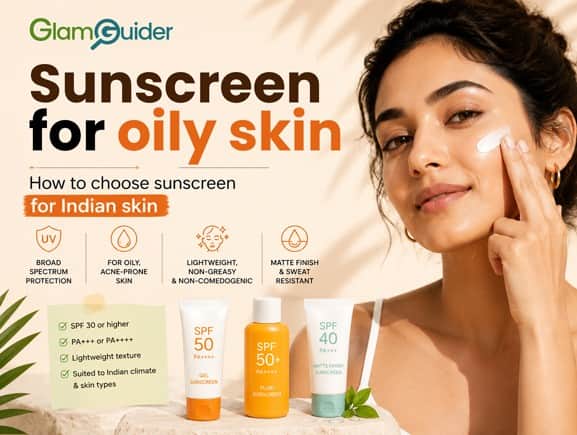
If you’ve ever stood in front of a shelf or scrolled through options online wondering whether to choose SPF 30 or SPF 50, you’re not alone. This is one of the most common skincare questions, especially during Indian summers when tanning, sweating, and sun exposure increase significantly.
Most people assume SPF 50 is far more powerful than SPF 30, but the reality is a lot more practical than that. The difference exists, but how you use sunscreen matters even more. If you are still unsure which sunscreen suits your skin type, you can explore options on GlamGuider and compare what works best for you.
What SPF Really Means When You Apply Sunscreen
SPF, or Sun Protection Factor, tells you how well your sunscreen protects your skin from UVB rays, which are mainly responsible for sunburn and tanning.
Here’s what those numbers actually mean in real terms:
● SPF 30 blocks around 97 percent of UVB rays
● SPF 50 blocks about 98 percent of UVB rays
● No sunscreen can block 100 percent UV rays
● Higher SPF does not mean all-day protection
At first glance, the difference looks very small. But in real-life usage, this small gap can still make a difference depending on your exposure and habits.
Why SPF 50 Often Feels More Effective in Real Life?
In controlled conditions, both SPF 30 and SPF 50 perform well. But in everyday life, sunscreen is rarely used perfectly.
Most people unintentionally make these mistakes:
● Applying less than the required amount
● Forgetting to reapply after a few hours
● Missing areas like the neck, ears, and hands
● Sweating or wiping off the sunscreen
Because of this:
● The actual protection drops below the labeled SPF
● SPF 30 may not perform as expected
● SPF 50 provides a small buffer against these mistakes
This is why many people feel SPF 50 works better, even though the numerical difference is small.
What Works Better for Indian Skin in Summer?
Indian weather conditions play a big role in how sunscreen performs on your skin.
During summer, you are usually dealing with:
● Strong and direct sunlight for long hours
● High UV index in most cities
● Excessive sweating and humidity
● Increased chances of tanning and pigmentation
Because of these factors:
● SPF 50 gives better practical protection
● Helps reduce tanning more effectively
● Supports prevention of pigmentation issues
For most people in India, SPF 50 becomes a more reliable choice for outdoor use.
When SPF 30 Is Still a Good Choice?
SPF 30 is not weak or ineffective. It can still work well depending on your routine.
You can choose SPF 30 if:
● You spend most of your time indoors
● Your sun exposure is limited
● You are consistent with reapplication
● You prefer a lighter texture for daily comfort
In such situations:
● SPF 30 provides sufficient protection
Works well for everyday indoor routines
The Real Problem Is Not SPF, It Is How You Use It
Many people focus too much on SPF numbers and ignore how sunscreen is actually applied.
Common issues that reduce effectiveness include:
● Using too little product
● Not reapplying every 2 to 3 hours
● Assuming sunscreen lasts all day
● Ignoring commonly exposed areas
In reality:
● Consistency matters more than SPF level
● Proper application gives better results
● Reapplication is essential for both SPF 30 and SPF 50
SPF 30 vs SPF 50: How to Choose Based on Your Lifestyle
Instead of overthinking, here is a simple way to decide what suits you better.
Choose SPF 30 if:
● You are mostly indoors
● Your exposure to direct sunlight is minimal
● You follow proper sunscreen habits
Choose SPF 50 if:
● You step out frequently
● You travel or commute in the sun
● You are prone to tanning or pigmentation
● You live in hot and humid conditions
For Indian summers, SPF 50 is generally the safer and more practical option.
How to Choose a Sunscreen That Actually Works for You?
SPF alone should not be the only factor when selecting a sunscreen.
You should also consider:
● Broad-spectrum protection (both UVA and UVB)
● A texture that suits your skin type
● Non-comedogenic formulas for acne-prone skin
● Sweat-resistant or water-resistant properties
Making an informed choice will always give better results than randomly picking a product.
Conclusion
Choosing between SPF 30 and SPF 50 becomes much easier when you focus on your lifestyle and habits instead of just numbers.
● SPF 30 works well for low exposure and indoor routines
● SPF 50 is more practical for outdoor use and Indian summer conditions
Before finalizing your choice, it is always better to understand your skin’s needs and select a sunscreen that fits your daily routine.
Frequently Asked Questions
● Is SPF 50 much better than SPF 30?
The difference between SPF 30 and SPF 50 is not as large as most people think. SPF 30 blocks about 97 percent of UVB rays, while SPF 50 blocks around 98 percent. However, SPF 50 can feel more effective in real life because people often apply less sunscreen than required, and the slightly higher protection helps compensate for that.
● Does SPF 50 last longer than SPF 30?
No, SPF does not determine how long sunscreen lasts. Both SPF 30 and SPF 50 need to be reapplied every two to three hours, especially if you are sweating or spending time outdoors. Many people assume higher SPF means longer protection, but that is a common misconception.
● Can SPF 30 protect skin in Indian summer?
Yes, SPF 30 can protect your skin during Indian summers if it is applied properly and reapplied regularly. However, because of intense sunlight and high UV levels, SPF 50 tends to perform better in outdoor conditions and offers slightly more reliable protection.
● Should I use SPF 50 every day?
Using SPF 50 daily is a good choice, especially if you step outside frequently or live in a hot and sunny region. It provides an extra layer of protection against tanning and sun damage. For indoor routines with minimal sun exposure, SPF 30 is usually sufficient.
● What matters more, SPF or application?
Application matters more than the SPF number. Even the best sunscreen will not work effectively if you do not apply enough or skip reapplication. Consistency and proper usage play a bigger role in protecting your skin than simply choosing a higher SPF.
Blue Light Damage from Screens: Myth or Real Skin Problem?
March 21, 2026
Nowadays, screens are part of daily life: phones, laptops, and tablets. With this, a term has become quite popular: blue light protection.
But the question is: Does blue light exposure really cause skin damage, skin aging, or pigmentation?
The answer is not extreme. Current research shows blue light may have some skin impact, but it is not equal to UV damage. Understanding facts, limits, and practical prevention helps in making better skincare decisions.
What Is Blue Light, and What Is HEV Light?
Blue light is part of the visible light spectrum, also known as HEV (high-energy visible) light.
Main sources:
● Digital screens (phones, laptops, tablets)
● LED lights
● Sunlight (natural source, strongest)
Unlike UVB, blue light penetrates deeper into the skin but does not cause sunburn. Instead, research suggests it may contribute to:
● Inflammation
● Increased melanin activity (which can influence pigmentation)
However, screen blue light is much weaker than sunlight.
Importantly, the blue light intensity from sunlight is much higher than that from screens, but with screens, exposure is continuous and close-range.
How Blue Light Affects Skin
Research suggests that blue light can enter the skin's layers more deeply than UVB.
Possible skin-level effects:
● oxidative stress
● Triggering inflammation
● Stimulating melanin activity can affect pigmentation.
These effects are not as strong as UV damage, but researchers are exploring them in the context of long-term exposure.
Blue Light vs UV Rays: Which Is More Harmful?
Blue light and UV rays affect the skin differently and at different intensities.
What Are UV Rays?
Most UV rays are UVA and UVB from the sun:
● UVA rays penetrate the skin and cause premature aging, collagen breakdown, and wrinkles.
● UVB rays cause sunburn and DNA damage to the upper skin.
UV exposure is strongly linked to:
● Photoaging
● Hyperpigmentation
● Sunburn
● Skin cancer risk
Derms always recommend broad-spectrum sunscreen for daily protection.
Blue Light vs UV Rays: The Real Difference
|
Factor |
UV Rays |
Blue Light |
|
Source |
Sunlight |
Sunlight + Screens |
|
Strength |
High |
Moderate to Low (from screens) |
|
Skin Aging |
Strongly proven |
Under research |
|
Pigmentation |
Strong trigger |
Possible trigger (especially in darker skin tones) |
|
Cancer Risk |
Proven link |
No proven link |
Pigmentation and Inflammation: Who Should Be More Careful?
Some Indian skin types may be more sensitive to HEV light exposure:
Higher-risk categories (based on observations):
● Pigmentation-prone skin
● Melasma tendency
● Post-acne marks
● Sensitive or reactive skin
HEV light can stimulate melanin-producing cells, which can worsen uneven tone or dark spots, especially when exposure is repetitive.
Again, this is not a guaranteed outcome. This is simply a risk-based understanding.
Is Blue Light Protection a Myth or a Real Need?
Short answer: Neither extreme is correct.
Blue light protection is NOT:
● A miracle solution
● Replacement of UV sunscreen
● Mandatory for everyone
Blue light protection CAN be:
● A supportive step for people with pigmentation concerns
● Relevant for those with high screen exposure and existing skin sensitivity
● Useful as part of a broader prevention and repair approach
Therefore, it would not be accurate to put this myth or necessity into extreme buckets.
Role of Sunscreen in Blue Light Protection
Broad-spectrum sunscreen is still the most important protection.
Tinted sunscreens with iron oxides may offer some visible-light protection. Explore how to choose the right sunscreen in our skincare discovery guides on GlamGuider.
Antioxidants: Prevention and Repair Strategy
Antioxidants help skin balance after blue light pro-oxidation effect.
Common antioxidant examples:
● Vitamin C
● Niacinamide
● Green tea extracts
● Resveratrol
They support prevention and repair, but they don’t reverse damage.
Blue Light Therapy: Same Light, Different Use
Blue light therapy is used in controlled acne treatment settings.
Difference:
● Controlled wavelength
● Short exposure
● Safety protocols
So therapy and daily screen exposure are not the same
Safety, Side Effects, and Research Limitations
Current research clearly states:
● Blue light's effect is not as strong as UV.
● Evidence is ongoing and limited.
● Long-term, real-life exposure data is still developing.
Possible side effects are generally mild:
● Temporary redness
● Sensitivity (rare cases)
It is important to avoid medical claims, as this area is actively researched
What Research Says About Safety
● Blue light impact is weaker than UV rays
● Evidence is still developing
● Long-term real-life data is limited
So no need for panic, but awareness is helpful.
Skincare guides give you the best results, which vary based on skin type, lifestyle, and environment
Conclusion
Blue light protection should be seen as a small part of overall skincare, not a major threat or a total myth.
Sunscreen, antioxidants, and balanced screen habits already support skin health. Instead of chasing trends, understanding your skin and checking real user reviews helps make better decisions.
For honest product comparisons and real experiences, explore skincare reviews on GlamGuider before choosing new products.
FAQs: Blue Light & Skin
Does blue light really cause skin damage?
Current evidence suggests that blue light can affect the skin through oxidative stress, but evidence of severe damage, such as that caused by UV rays, remains limited.
Should everyone use blue light protection skincare?
No, this depends on skin type, exposure, and concerns. It is not mandatory for everyone.
Can sunscreen protect against blue light?
Some sunscreens, especially tinted ones with iron oxides, can provide partial protection.
Is blue light therapy unsafe?
Blue light therapy in controlled settings is generally safe. Daily screen exposure and therapy are different things.
How does GlamGuider look at blue light protection?
GlamGuider looks at blue light protection by balancing myths and available evidence. We take into account evolving research, real-life screen exposure, and individual skin differences. The focus is on simple, informed skincare choices without fear or overpromising.
How Community Reviews Are Replacing Influencers in Beauty Decisions
March 12, 2026
The process of beauty shopping decisions used to be quite simple. People saw a product on Instagram or YouTube, or someone recommended it, and they bought it. But gradually, the questions of Indian beauty consumers began to change. There are some questions that are raising such as "Will this product be right for my skin?" "Will it work in Indian weather?" "What has a typical user said after trying it?"
Today, beauty decisions are not just made by inspiration but are shaped by information and real experiences. That's why community reviews have become increasingly important. They're not a replacement for influencers; they're a natural evolution of consumer behavior. People no longer just want to see; they want to understand.
Beauty Buying: From Inspiration to the Thinking Phase
Influencers still play a role in discovery. New launches, textures, and routines all come first through them. But when it comes time to make the actual purchasing decision, people want to dig a little deeper.
Beauty products on a budget are personal. A foundation may look perfect on someone else, but may oxidize on your skin.
A sunscreen may feel light in winter but heavy in humid weather. This is the gap community reviews fill.
When you read comments from real users, "It felt a bit greasy on oily skin," "A patch test is a must for those with sensitive skin." "It's good for daily use, not for special occasions."
Not a single one of these statements is false. They're in a real context. And context is what drives smart beauty decisions.
Why Indian Consumers Trust Community Voices More
Beauty in India isn't a singular experience. Skin tones, hair types, and climate conditions are all unique. The North's dry winters, coastal humidity, pollution, and hard water all affect the performance of beauty products.
The biggest advantage of community reviews is that diversity is naturally reflected.
You can see the experiences of different people:
- Results of people with similar skin types
- Which product didn't suit whom
- Which routine worked best
There's no pressure for perfection. People say it clearly:
- “Results depend on skin type.”
- “It didn't suit me, but it might for someone else.”
- “I noticed improvement after 2–3 weeks.”
This honest beauty builds trust.
Relatability is also a big factor. When you read a review from a user who relates to your daily routine or lifestyle, it becomes easier to make a decision.
The Role of Community Reviews in Reducing Confusion
The beauty market today is very crowded. Multiple options in every category, new ingredients, and new claims. Especially for beginners, it can be overwhelming.
Community reviews reduce this confusion.
By reading multiple experiences of the same product, you can understand:
- How the product's texture feels in real life
- What differences occur with long-term use
- How it behaves with layering or a daily routine
There are no promises of "miracle results." There are only practical insights that keep expectations realistic. And realistic expectations are the basis of trust.
Experience Matters More Than Endorsement
Community-driven beauty content focuses on experience, not endorsement.
You get more than "best product ever":
- "Saw a difference after consistency."
- "I had breakouts in the initial days, but then they settled."
- "Perfect for everyday use."
This feedback comes from usage, not promotion.
And these experiences evolve over time. A weekly review and a monthly review are different. This time-based learning is very valuable for beauty buyers.
This doesn't mean that the role of influencers has ended. It's just that final decisions are now more layered, requiring validation along with inspiration.
GlamGuider's Role in a Changing Landscape
GlamGuider fills this gap between curiosity and clarity.
This platform wasn't created to sell products. It doesn't over-promise. GlamGuider's focus is:
- Showcasing real user experiences
- Bringing together diverse opinions
- Helping users make their own decisions
No one here says, "This product is perfect for everyone." Instead, it explains:
- Which types of users did it suit
- Which conditions did it perform better in
- Which routine did it work with
GlamGuider is a facilitator, not a decision-maker. And this approach builds long-term trust.
Collective Learning: Beauty's New Advantage
An underrated benefit of community reviews is collective learning.
One user reads a review → tries the product → shares their experience → helps the next user.
This loop naturally makes beauty shopping less risky. The stress of trial-and-error is reduced. And users feel like they're not making decisions alone, but learning with a community.
Here, products aren't "good" or "bad." They're simply "right for some, not for all." This mindset is both healthy and honest.
Trust is built when expectations are clear
In beauty, the most trust is built when there are no unrealistic promises.
Community reviews openly acknowledge that:
- Results can vary
- Skin type matters
- Routine and consistency are important
This transparency leaves users informed, not disappointed.
GlamGuider's goal is to amplify voices, not replace them. To create stories, not to give them space.
Conclusion: Smarter Beauty Decisions Start With Shared Experiences
Today's beauty consumers are more informed. They're not looking for shortcuts, they're looking for clarity. Community reviews provide this clarity through real experiences, honest opinions, and diverse perspectives. They don't pit influencers against each other, but rather balance inspiration with reality.
For Indian beauty buyers, this shift is both natural and empowering. GlamGuide operates on this belief: beauty is not to sell, but to understand. Because in the end, the most reliable beauty advice doesn't come from a single voice, it comes from a community, learning alongside each other.
Beauty experiences are personal and can vary based on skin type, routine, and environment. This article reflects shared community insights, not universal outcomes.
FAQs: On Community Review
1- What's the difference between community reviews and influencer reviews?
Community reviews are based on the personal experiences of real users. They share honest feedback based on their skin type, routine, and usage. Influencers are useful for content discovery, but community reviews provide more clarity when making decisions.
2- Are community reviews more reliable?
Community reviews are more relatable because they reflect the experiences of multiple users. When you read reviews from people with similar skin types or lifestyles, expectations remain realistic. Yes, results can vary from person to person.
3- What if a product has mixed reviews?
Mixed reviews are actually helpful. They indicate which types of users a product works for and which it doesn't. In such cases, it's best to make a decision based on your skin type, concerns, and routine.
4- How many reviews is it right to read before making beauty decisions?
There's no set number. But reading 5–10 genuine reviews can give you a general idea of how a product performed and what to expect.
5- How many reviews is it right to read before making beauty decisions?
Community reviews on GlamGuider are based on real experiences, without over-promising. Here, users learn from each other's experiences, reducing confusion and making more informed and confident beauty decisions.
Before & After Holi: An Expert-Backed Guide
March 02, 2026
Introduction:
Everyone loves Holi, but we all fear what comes afterwards, which is dry, itchy skin or hair that breaks easily. We know it costs. The good news is?
Most of that damage can be avoided. Here’s a plan based on real-world evidence that also works as your complete before-and-after Holi skin care roadmap, including practical Holi skin and hair care strategies.
Why Holi Colours Are Harsher Than You Think
Traditional Holi used plant-based colours like turmeric, neem, and flower petals. However, many commercially available gulal products today do not follow this traditional method. Synthetic colours contain industrial dyes, lead, chromium, and alkaline compounds that disrupt the skin's acid mantle.
These ingredients are responsible for several Holi colour side effects on skin, including irritation, breakouts, and sensitivity. Even products sold as "herbal" or "organic" often don't disclose their full ingredient list, so exposure risk remains a concern regardless of labelling.
After Holi, people commonly experience contact dermatitis, redness, acne flare-ups, scalp irritation, and hyperpigmentation. In some cases, allergic reactions can cause a skin rash after Holi colour exposure that needs medical attention. This guide focuses on how to prevent skin damage during Holi rather than repairing it after the fact.
Before Holi: Prep Your Skin and Hair
Skin
Pause your activities. Retinol, AHAs, BHAs, and peeling acids should be stopped 5–7 days before Holi. Dermatologists recommend this because these ingredients increase skin cell turnover and reduce external irritant tolerance, making the skin more reactive to colour chemicals. This is a crucial Holi skincare protection tip.
Skip salon treatments. Avoid waxing, threading, or chemical peels within 72 hours to reduce irritation risk and better understand how to protect skin during Holi.
Focus on barrier support. Use a ceramide, glycerin, or hyaluronic acid moisturiser before Holi. Your best defence is a healthy skin barrier.
Hair
Apply coconut or almond oil generously to your scalp and hair an hour before leaving; overnight is better. Many dermatologists recommend coconut oil as the best oil to apply before Holi because it reduces colour absorption in the hair shaft
One important thing to remember is to avoid washing your hair on Holi morning. Hair that has just been washed is more porous and takes colour better.
On the Day: Build Your Protective Layer
Think of this as a system, not individual steps.
For skin:
- Gentle cleanser, don't strip your natural oils
- Lightweight, non-comedogenic moisturiser
- Before any oil or cream layer, apply broad-spectrum SPF 30+ sunscreen (water-resistant if possible) to ensure direct skin contact and efficacy.
- A thin layer of coconut oil or cold cream over exposed areas
- Petroleum jelly around the eyes, lips, ears, nail beds, and fingers, where synthetic colour pools and is difficult to remove, acts as a physical barrier.
This layering method works as a practical Holi skincare protection tip and strengthens your Holi skincare routine.
For hair:
- Tie oiled hair in a bun or braid
- Cover with a scarf or cap for added protection
- Apply dark nail polish to protect nail beds
These steps are essential Holi hair care tips that reduce post-festival damage.
General:
- Wear full-sleeved, dark-coloured cotton clothing
- Skip contact lenses; colour particles can get trapped behind them
- Hydrate consistently throughout the day
After Holi: Remove Colour Without the Damage
This is where proper skin care after the Holi festival becomes crucial. Aggressive scrubbing feels good, but it can hurt the skin barrier and cause post-inflammatory hyperpigmentation, especially in people with darker skin.
Skin Removal
Start with oil, not water. Apply coconut oil or a cleansing oil to dry skin gently. Cleaning with oil lifts colour particles without friction. Hot water can vasodilate and strip the skin's natural lipid layer more aggressively, leaving it more vulnerable.
Follow with a gentle, sulphate-free face wash. If colour remains, wash again gently without scrubbing. Apply moisturiser right away if your skin is a little damp.
Soothing ingredients to reach for: aloe vera gel, centella asiatica, oat extract, and ceramides.
Avoid for the next 3–5 days: retinol, vitamin C serums, exfoliating acids, and any strongly fragranced products. Let your skin recover first.
Hair Removal
Before shampooing, rinse with cold water. This helps loosen pigment without opening the cuticle and is the first step in how to remove Holi colour from hair safely. Use sulphate-free shampoo and massage gently. Focus on the lengths and finish with a 5–10-minute deep-conditioning mask.
A practical home mask: mashed banana and honey for dry hair or curd and egg white for a protein boost on damaged strands. Warm coconut oil left on for 30 minutes before washing also works well.
Avoid chemical treatments, colour, bleach, or keratin for at least a week after Holi. Minimise heat styling during this period and let your hair air-dry when possible.
Quick Reference Checklist
- Before: Pause actives → skip salon treatments → moisturise daily → oil hair the night before
- On the day: Cleanse gently → moisturise → apply SPF → oil layer → petroleum jelly on high-exposure areas → tie and cover hair → wear cotton → stay hydrated
- After Holi: Oil on dry skin first → lukewarm rinse → gentle sulphate-free cleanser → moisturise → cold water rinse for hair → sulphate-free shampoo → deep condition → rest actives for 3–5 days
Final Thoughts
Holi is joyful, and the right Holi skincare tips make all the difference. A simple, structured before-and-after Holi skincare routine can prevent most long-term issues. They're built on a straightforward principle: your skin and hair have natural protection, and the goal is to support those defences rather than compromise them.
If possible, choose safer colours. Wear protection before going outside. Be careful removing it. Let your hair and skin heal for a few days. That's really all there is to it. Understanding skin and reading user reviews helps you choose over trends.
If irritation persists or you notice symptoms like severe redness or skin rash after Holi colour treatment, consult a dermatologist.
Play safely, play colourfully, and have a happy Holi.
FAQ
What if colour gets in my eyes?
Rinse right away with clean, cool water for at least 10 to 15 minutes. If your eyes are still red, painful, or blurry, don't try to treat them at home. Go to the doctor.
How long will staining last?
Most surface stains go away on their own in three to five days as skin naturally turns over. A mild lactic acid exfoliant, used a few days after Holi (when the skin is calm), can speed this up.
When should I see a dermatologist?
If you still have redness, itching, or discomfort after 4 to 6 hours, it may not just be staining. Persistent irritation or a skin rash after Holi colour treatment needs medical attention. Swelling, blisters, or severe burning are signs that you should see a dermatologist immediately.
Paid Reviews vs. Real Reviews: How to Spot the Truth Before You Buy
February 24, 2026
In today’s digital world, reviews influence almost every purchase we make. From skincare and beauty to gadgets and food, we rely on other people’s experiences to decide what’s worth our money and what isn’t.
But here’s the uncomfortable truth:
Not all reviews are real.
Some are honest, experience-based opinions. Others are carefully scripted, paid promotions designed to sell not to inform. Knowing the difference can save you money, time, and skin trouble.
Let’s break it down.
Why the Review Ecosystem Is Broken
The modern review ecosystem prioritizes visibility over honesty. Algorithms reward volume, engagement, and promotion, not accuracy. Brands and creators should collaborate at scale and post often. This environment slowly shifts reviews from personal to marketing.
It's not true that all paid reviews are fake. The system favors positivity, speed, and sales, making it challenging for customers to differentiate between paid and real beauty reviews.
What Are Paid Reviews?
Paid reviews are created in exchange for money, free products, or other incentives. While not all paid reviews are dishonest, many are:
- Scripted or guided by brands
- Focused only on positives
- Missing real usage timelines
- Designed to drive sales, not awareness
Often, these reviews sound too perfect because they are AI-generated.
What Are Real Reviews?
Real reviews come from people who have actually used the product and have nothing to gain by praising or criticizing it.
Such reviews often contain the following:
- Both pros and cons
- Personal skin type or use case
- Specific experiences
- Honest reactions (good, bad, or average)
Honest reviews don't aim to convince. A product may look like a miracle solution online but perform very differently in real life.
How to Spot the Difference: Paid vs Real Reviews
It's not very useful to classify reviews as paid or real reviews. What is more useful is to read reviews in context.
Language
If the tone of the review seems polished or repetitive, treat it as a signal, not a conclusion.
Balance
Not every product is perfect for everyone. Reviews that only list benefits should not be the basis for a final decision.
Context
Helpful reviews usually mention:
- Skin Type
- Usage Guide
- In what situations did the product work?
A review without context is merely an opinion, not guidance.
Why Real Reviews Matter More Than Ever
Consumers today aren’t looking for hype—they’re looking for clarity.
Real reviews help you:
- Make informed decisions
- Understand if a product suits you
- Avoid trial-and-error spending
- Build long-term trust with brands
They turn buying into a choice, not a gamble.
The Shift Towards Transparency
The beauty and personal care space is slowly moving from influencer-led persuasion to community-driven validation.
Platforms that focus on:
- Real users
- Honest experiences
- Ingredient transparency
- Peer discussions
They are becoming the new trust layer between brands and buyers. This is because knowledge, not marketing, is the source of confidence.
Transparency Is Becoming a Competitive Advantage
Companies that allow unfiltered customer feedback build more trust than those that focus on polished marketing. Once a risk, transparency is now a growth strategy.
Consumers increasingly reward brands that:
- Show real user experiences
- Accept mixed feedback
- Share ingredient rationale
- Avoid exaggerated promises
Trust compounds over time. Hype fades
Conclusion:
The problem in today's beauty ecosystem isn't a lack of reviews but a lack of interpretation. When users rely solely on surface-level opinions, confusion grows, not clarity.
GlamGuider prioritises understanding reviews over following them. Every review is a signal, not the final truth. And when that signal is decoded with ingredient checker context, usage relevance, and skin suitability, beauty buying ceases to be an emotional decision.
In the end, reading more reviews won't help you find better products; learning how to read community reviews correctly will. This change in thinking is led by GlamGuider.
How to Read a Beauty Label Like a Pro
February 02, 2026
Beauty products today aren't just pretty bottles. Behind every serum, sunscreen, or lipstick lies a whole story that most people never read. Tell the truth:
You pick up a product, it says Glow Boosting, Clean Beauty, or Dermat Tested on the front, and you believe it. But the real truth lies behind the label, where most people avoid looking.
The purpose of this blog isn’t to turn you into a chemist. It’s to help you understand beauty labels more clearly, so you can make confident, informed choices instead of relying only on surface-level claims.
If you regularly use or recommend beauty products, reading labels is not an optional skill; it's a power move.
Why do beauty labels seem confusing?
Beauty labels feel overwhelming because they try to communicate too much at once. In a tiny space, brands pack in usage instructions, bold performance promises, regulatory information, and high-level marketing jargon often all competing for your attention. The result? A label that looks informative but is hard to truly understand at a glance.
This often results in:
- Technical terms without simple explanations
- Limited space causes small fonts.
- Common, broad buzzwords
- Legally correct but contextless claims
Beauty brands are commercial, so selling products is a priority. But education isn't always easy to understand. That’s why relying only on surface-level claims can leave users unsure. Learning how to read labels with context helps bridge this gap.
Front Label vs. Back Label: Where is the real game?
The front label is for marketing. The back label is reality provided you know how to read.
The front label says:
- Instant Glow
- Oil-Free
- Hydrating Formula
- Clean Beauty
But these are all descriptive words, not promises.
On the back label, you find:
- Actual purpose of the product
- Skin type suitability hints
- Usage instructions
- Warnings & limitations
- Brand confidence (or lack of it)
Pro tip: A brand that clearly states its back label information is generally confident about its product.
How to decode claims (Without Getting Trapped)
The biggest mistake people make is taking claims literally.
Example:
- Dermat-Tested does not mean "dermatologist recommended."
- Natural does not mean safe for everyone.
- "For All Skin Types" often means we did not optimize it for any specific skin type.
Pro mindset, Read each claim with this thought:
- Is this line written to be legally safe or for the user's benefit?
- Specific claims, providing context, and setting expectations are valuable.
Skin Type Claims: Believe Them or Question Them?
When a product claims:
- For dry skin
- Acne-prone friendly
- Suitable for sensitive skin
Consider it a filter, not guaranteed. Labels on skin types are marketing, not formulation promises. A professional reader checks the skincare information beyond the label:
- If skin condition affects usage instructions
- Clearly stated restrictions or exclusions
- If warnings feel generic or specific
If a brand says it's suitable but doesn't talk about risks or changes, that's a red flag. Different skincare type mentions should be used to help with the evaluation, not end it.
Instructions Section: Most Underrated Part
Almost 99% of people skip the instructions. This is where professionals judge a product's intelligence.
Look:
- Is usage frequency realistic or over-promising?
- Is the layering advice clear or confusing?
- Time-based instructions (day/night) mentioned or not?
Users may be confused by vague instructions like “apply regularly for best results.” User expectations are clearer with clear instructions than with vague ones. Strong brands combine flexibility and clarity to guide users.
Warnings & Caution: This is where the brand's authenticity shines through.
People often avoid warning sections, mistaking them for negativity. This is the brand's ethics test.
Some Brands:
- Potential irritation can be mentioned.
- Pregnancy/medical condition disclaimers are given
- A patch test is recommended.
- Some companies provide detailed warnings, while others provide few.
- Precautions, patch testing, and special conditions indicate a focus on responsible use.
A brand that acknowledges risk is the one that is responsible.
Shelf Life & Storage: Silent Quality Indicators
Ignoring expiry and storage instructions is like gambling with the product.
Look at:
- How long should the product be used after opening?
- Are the storage conditions realistic or extreme?
- Whether climate suitability is indirectly mentioned or not.
This section becomes even more important in the context of Indian weather, but most brands treat it lightly. And this is the gap that smart readers exploit.
Brand Transparency: read between the words
Don't just look at what's written; look at how it's written.
- Is the tone confident or defensive?
- Is the information structured or cluttered?
- Are there too many disclaimers or clarity?
Reading the label and the ingredients consciously is a skill that comes from intuition. The more you study, the clearer the patterns will become.
Know the GlamGuider Perspective
For the GlamGuider community, label reading isn't just a consumer skill; it's beauty understanding.
Every label asks a question:
- Does this brand respect me?
- Does it allow me to make informed decisions?
- Or is it just pushing emotional buying?
Being a pro doesn't mean you reject every product. Being a pro means your decisions are yours, not the brand's.
Where GlamGuider Comes In
Even after carefully reading a label, many users are unsure, especially about a product's strength or skin irritation.
GlamGuider helps users make better decisions without replacing label information by understanding with our ingredient checker, active strength levels and potential irritants.
Not to question brands, but to help users understand products, especially when labels are overwhelming.
Conclusion:
It's not just about what you like anymore when you buy beauty products; it's about making an informed choice. Most product failures happen not because the formulations are bad, but because people trust what they see on the surface instead of really understanding what they're buying.
When you learn to read beauty labels in a calm and logical way:
- You stop following viral trends.
- You lessen the damage from trial and error.
- You choose things that are good for your skin.
Being informed means owning your choices, not rejecting products. If you value honest beauty reviews as a consumer, creator, or professional, label understanding is essential.
What Indian Beauty Lovers Should Know from Global Reviews This Month
January 22, 2026
Every month, something is announced as a "holy grail," a "viral essential," or a "game-changer" in the global beauty world. Whether it's Byrdie, Vogue, Reddit skincare threads, or TikTok reviews, international products gain almost instant cult status. But an honest question: Is what works in the US or Europe equally effective for Indian skin and the Indian climate?
The truth is, Indian skin behaves differently due to higher humidity, higher sun exposure, water quality, pigmentation concerns, and sweat-heavy conditions. So blindly following global reviews isn't always a smart decision. This month, GlamGuider decodes top international beauty reviews to see whether reviewers liked the products, what red flags were mentioned, and what Indian users should pay special attention to. We'll also share Indian alternatives based on our GlamGuider community data that are delivering similar results.
Remember a simple rule: Global reviews are just a starting point; final decisions should be made in the Indian context.
1. Charlotte Tilbury Flawless Filter Glow Globally: What About India's Climate?
Global Review Summary (Byrdie, Vogue, TikTok):
- Soft-focus glow
- Instant filter finish
- Best for dull skin
- Lightweight but glamorous
Indian Reality Check:
According to beauty influencers in the spring, this product gives a dream glow, but in India's heat and humidity, this evening glow can easily become a problem.
Why Indians need to be cautious:
- Slips with sweat
- Emphasizes pores on oily skin
- Poor longevity in humid weather
- Shade range is not India-friendly
Better For India:
- Water-based illuminators
- Lightweight, sweat-proof tints
Explore GlamGuider’s top recommendations, backed by research and dermatologist insights. Bottom line: Global glow ≠ Indian glam.
2. Drunk Elephant Protini Cream Loved Globally, Over-Hyped for India?
Global Review Summary (Allure, Reddit SkincareAddiction):
- Peptide powerhouse
- Plumps the skin
- Great barrier support
- Perfect for dry climates
Indian Skin Analysis:
In Indian weather conditions, especially in humid and coastal regions, the texture and occlusiveness of Protini Cream can feel excessive. Although peptides support skin barrier health, the overall formulation may not align well with Indian skin’s need for lightweight, breathable moisturisation.
Why It’s Problematic for India:
- Peptides best, but thick formulation
- Can clog pores in humidity
- Feels greasy under sunscreen
- Not acne-friendly
Explore GlamGuider’s science-backed moisturiser, curated for Indian skin and climate.
3. Rare Beauty Soft Pinch Liquid Blush Global Favourite, Indian Adaptation Needed
What Global Reviews Say (Vogue, TikTok, Byrdie):
- Ridiculously pigmented
- Little goes a long way
- Long-lasting on dry skin
- Soft-focus finish
Indian Skin & Climate Angle:
The pigmentation matches Indian skin tones, but the formula's pigmentation can be overpowering in warm or humid weather.
Issues for India:
- Too pigmented → patchy blending in sweaty areas
- Not the best for textured or acne-prone cheeks
- Doesn't hold up in heavily humid urban areas
What Works Better for Indian Skin Tones & Weather:
- Sweat-resistant blush formulas
- Buildable pigmentation
- Lightweight gel or tint textures
GlamGuider users prefer them because they're sweat-proof and easier to blend.
4. Paula’s Choice 2% BHA International Bestseller, Indian Overuse Disaster
Global Review Love:
- Clears pores
- Best for acne-prone skin
- Dermas recommended it
- Visible results in days
Where Indians Get It Wrong:
Global reviewers mostly live in temperate climates. In India's high humidity and pollution, a daily BHA routine compromises the skin barrier.
India-Specific Concerns:
- Daily use = redness + sensitivity
- Excess dryness around the nose/chin
- Sun sensitivity increases
- Not the best for Indian teens
Smarter Exfoliation for Indian Skin:
- Lower-frequency exfoliation
- Barrier-supporting cleansers
- Climate-adjusted routines
Discover how GlamGuider identifies face washes that perform better for Indian skin and daily climate stressors
GlamGuider Recommends (Based on Community + Expert Reviews)
We combined Global Buzz, Indian Climate, and Glamguider community data to come up with this list:
Patterns We See From Global Buzz and Indian User Feedback
Based on reviews from around the world and discussions in the GlamGuider community, some formula patterns work better for Indian skin and weather conditions than others.
- Ceramides in lightweight moisturizers strengthen the barrier.
- Oil-free niacinamide-led formulas that glow
- Makeup that lasts in heat and humidity
- Tints that blend well and don't weigh down the skin
- Minimalist versions that work and are accessible
Find out how GlamGuider's community insights and skin-science evaluations help them choose products that are right for Indian skin and climate.
Ingredients That Work Better in India:
- Niacinamide
- Ceramides
- Centella
- Anti-pollution antioxidants
- Retinal / Retinol
- Water-based hydrators
This aligns better with acne + barrier-first Indian concerns.
Global products are exciting, but Indian skin needs a different chemistry. For a better understanding, you can check glamguider.com's ingredients checker as understanding the ingredients are easy now with just one search.
Final Thoughts: Look at Indian Reality Before The Hype
Global reviewers are not wrong, but their skin, their climate, and their lifestyle are different from ours. So whenever an international product becomes a trend, ask yourself:
- Will it tolerate Indian humidity?
- Will the formulation clog acne-prone skin?
- Is it compatible with sweat, oil, and pollution?
Smart beauty lovers adapt, not follow hype. Have you tried any of these products? Share your honest review on GlamGuider and help Indian beauty lovers make smarter choices.
Complete Skincare Routine for Wedding & Festive Glow: New Year Beauty Trends 2026
January 08, 2026
Indian weddings and festive seasons aren't just about outfits and makeup. 2026's beauty trends clearly indicate that a long-lasting glow is possible only when skincare is planned, not rushed. Today's modern Indian consumer has moved beyond instant facials and last-minute treatments. She wants healthy, resilient, camera-ready skin that looks consistent throughout the entire celebration season, not just for one day.
So, the 2026 bridal and festive skincare approach is based on two strong phases:
- Skin Reset & Barrier Building
- Controlled Glow Boosting
Let's understand how to plan a complete skincare routine that actually works.
Why Skincare Planning Matters More Than Makeup in 2026
Makeup trends change, but skin health doesn't lie. In 2026:
- HD photography
- Long wedding schedules
- Multiple events back-to-back
- Heat, humidity, stress
All of these factors work together to test the skin. If the base isn't strong, makeup will look patchy.
That's why professional MUAs and dermatologist-backed routines agree on one thing: Glow starts weeks before the event, not on the event day.
Phase 1: 30–45 Days Before
Skin Reset & Barrier-Building Phase: This phase is the most ignored and also the most important.
What is my goal for this phase?
- To soothe the skin
- To reduce sensitivity
- To strengthen the barrier
- To improve moisture retention
2026 Trend Alignment
2026 beauty trends are focused on barrier repair and microbiome health. The era of over-exfoliation and harsh actives is almost over.
Step 1: Gentle Cleansing (Morning & Night)
Avoid harsh foaming cleansers in this phase. Look for:
- Low-pH cleansers
- Barrier-friendly formulas
- Non-stripping textures
Goal: Skin should be clean, not tight.
Step 2: Hydration First, Treatment Later
Don't chase glow right now. Focus on:
- Hydrating toners
- Lightweight essences
- Water-binding ingredients
This helps skin regain elasticity and smooth texture.
Step 3: Barrier-Repair Serums
The Skincare Mantra of 2026: “Strong barrier = natural glow.”
Use serums that support:
- Skin repair
- Moisture balance
- Stress recovery
Avoid:
- Strong acids
- High-percentage actives
- Frequent exfoliation
Step 4: Moisturizer Is Non-Negotiable
Be it oily skin or dry, moisturiser is not skipped.
Barrier-supporting creams help:
- Reduce redness
- Improve makeup longevity
- Prevent sudden breakouts before events
Explore GlamGuider’s best recommended moisturiser for Indian skin type.
Step 5: Daily Sunscreen (Yes, Even Indoors)
Indian weddings = outdoor events, day functions, and photography.
UV damage weakens the barrier, so sunscreen is skin insurance.
Explore GlamGuider’s research-backed Daily Sunscreen to understand which formulas work best in Indian wedding.
Phase 2: 14–7 Days Before
Controlled Glow-Boosting Phase
Now your skin is stable. You can add glow freely.
What is the goal of this phase?
- To smooth the texture
- Reducing dullness
- It enhances natural radiance
- No irritation, no surprises
Step 1: Gentle Exfoliation (1–2 Times Only)
Exfoliation doesn't have to mean daily acids. In this phase:
- Mild exfoliation
- Limited frequency
- Skin response observe karna
Purpose: Dead skin is removed, and a fresh glow appears without peeling. Try your best to exfoliate for your skin type.
Step 2: Hydration Boosting Masks
Sheet masks or wash-off masks come in handy here. They help:
- Plump skin
- Instantly refreshed look
- Makeup ke liye smooth base
Use them strategically, not daily.
Step 3: Brightening Without Aggression
The 2026 trend is soft glow, not blinding shine. Look for:
- Even skin tone
- Healthy luminosity
- No tingling, no burning
Avoid trying new products in this phase.
Step 4: Consistent Night Routine
Sleep + skincare = real glow combo.
Night routine mein:
- Cleanse
- Hydrate
- Repair
- Moisturize
Consistency is the game-changer here, so explore the GlamGuider backend research-recommended night serum.
Event-Day Skincare: Keep It Simple
On the day of the event:
- No experiments
- No actives
- No heavy layers
That’s all:
- Clean skin
- Light hydration
- Sunscreen (if daytime)
Let makeup do its job.
Post-Wedding & Festive Skin Recovery: The Most Ignored Step
Most people make a big skincare mistake here. Post-event skin is usually:
- dehydrated
- sensitive
- congested
- inflamed
Recovery focus:
- Barrier repair
- Inflammation control
- Gentle hydration
- No active overload
2026 skincare philosophy says clearly: Recovery is not optional.
2026 Beauty Trends That Are Redefining Wedding & Festive Skincare
In 2026, the approach to wedding and festive skincare has matured significantly. The focus is no longer on instant glow or one-day results. The industry is clearly shifting toward skin longevity, barrier health, and planned preparation.
Festive skincare is now being treated like a timeline, not a shortcut.
1. Barrier-First Skincare Is the New Base
In 2026, healthy, resilient skin is becoming more important than makeup. A strong skin barrier means better hydration retention, less irritation, and a smooth makeup finish even during long wedding hours. This approach is quite practical for the Indian climate and multi-day functions.
2. No more glassy skin, calm & healthy glow
The trend for over-shiny glass skin is slowly fading. Now the preference is for balanced, even-toned, and comfortable skin that looks natural in HD cameras, not over-processed or sensitized.
3. Minimal but Consistent Routines Work Better
Layering 10–12 products is no longer considered the best skincare. 2026 trends show the "Do More with Less Formula," the right ingredients, and consistent use improve results. Predictability has become more important than experimentation.
4. Planned Skincare Cycles Replace Last-Minute Fixes
The era of instant facials and emergency treatments is passing. Now, people first reset their skin, then gradually enhance their glow so that the skin remains stable and there are no surprises during the event.
5. Avoid harsh peels and over-exfoliation
Strong peels and frequent exfoliation are avoided during wedding prep. The focus is on keeping the skin calm, preventing barrier damage, and easing post-event recovery.
Overall, in 2026, wedding skincare is being viewed as a long-term skin investment, not just for a single occasion. Preparation, restraint, and recovery are now as important as glow.
GlamGuider Insight
At GlamGuider, we’ve observed that users who start skincare prep 30–45 days before events report:
- Better makeup finish
- Fewer last-minute breakouts
- Longer-lasting glow
This doesn't just give trends; it's backed by reality.
Final Takeaway
Wedding and festive glow is no longer a last-minute miracle in 2026. Beauty routines are now timeline-based, skin-barrier-first, and climate-aware.
The trend is not to overload the skin but to understand the skin.
Routines that build a barrier 30–45 days in advance and deliver a controlled glow boost in the last 7–10 days are showing long-term results. This approach not only helps makeup set better but also makes post-event skin recovery easier.
If you're exploring products for your wedding or festive prep or have already tried some routines, viewing or sharing real reviews and comparisons on GlamGuider Community can be a smarter starting point because the 2026 glow isn't just seen, it's also understood.
K-Beauty’s Second Coming: Ingredient-Led Korean Skincare Is Back and Smarter Than Ever
December 18, 2025
K-Beauty’s Second Coming: Why Ingredient-Led Korean Skincare Is Trending Again
For a while, people thought that the K-beauty craze had slowed down and that they had grown tired of the cute packaging and 10-step rituals. But the truth is that the K-beauty industry never went away; it was just evolving. And now, it’s back with a sharper, science-backed approach where ingredient transparency, fermentation technology, microbiome balance, and skin-barrier repair are in the spotlight.
Today’s K-beauty focuses less on “Instagrammable bottles” and more on biotechnology-driven formulations that actually change skin behavior. This evolution is precisely why the global skincare industry, including Indian beauty brands, is paying close attention.
Let’s break down what makes K-Beauty 2.0 the smarter, cleaner, and more results-driven version of its former self. But first, let's understand K-beauty.
What Is K-Beauty? A Quick Breakdown?
K-beauty simply means Korean-style skincare, known for hydrating formulas, gentle actives, and a “healthy skin first” philosophy. Initially, it was famous for glow-chasing trends, cute packaging, and multi-step rituals. However, over the years, K-beauty science has evolved into barrier-focused, ingredient-led routines. Now, this shift is clearly visible in K-Beauty 1.0 versus K-Beauty 2.0.
K-Beauty 1.0: Old 10-Step Skincare Routine
The core principle of the old K-beauty era was simple: build layers, and you will get a glow. The 10-step routines (cleanser, exfoliator, toner, ampoule, essence, serum, sheet mask, moisturizer, eye cream, sleeping mask)
The problem?
Over-layering weakened the skin barrier, increased redness and sensitivity, and the routine did not fit into everyone's lifestyle. K-beauty 1.0 was trend-heavy, focused on long routines, cute packaging, and short-term radiance, which can cause harmful skin reactions later. Old K-beauty was more like a trend cycle than a scientific skincare movement.
K-Beauty 2.0: Ingredient Transparency, Fermentation Technology & Skin-Science Evolution
Now the industry has pivoted. Modern K-beauty is all about high-performance ingredients, biotech skincare innovations, and minimalist routines built around the skin barrier.
Here’s what defines K-Beauty 2.0:
1. Fermentation-Powered Actives
Fermented substances provide actives in lower molecular sizes, which makes them:
- More potent
- Easier to absorb
- Gentler on sensitive skin
Fermented rice water, fermented bamboo sap, and fermented soy extracts are not just marketing tricks; they are supported by research in microbiology and laboratory settings.
2. Microbiome-Friendly Formulas
Now, Korean brands are focusing on creating a "healthy skin ecosystem." Prebiotics, probiotics, and postbiotics together provide the skin with a stable, resilient environment that naturally reduces acne, redness, and dryness.
3. Barrier-Repair Science
10-step routine → 3 or 4 essential products that strengthen the barrier. K-beauty scientists have observed: If your barrier is weak, the results will not last regardless of what you use. Hence, now:
- ceramide blends
- peptide complexes
- Amino acid moisturizers
- microbiome balancers
They are at the centre of every formula.
4. Clinical Ingredient Transparency
- Before: "Dewy glow, glass skin, magic water."
- Now: % of disclosures, breakdowns of the formulation, pH levels, and patch test results.
- Customers know precisely what they're putting on.
5. Minimalism with Purpose
- Before: Layer more to achieve more.
- Now: “Do More With Less Formula.”
- That's precisely how people worldwide feel about skincare these days.
What Are Hero Ingredients of K-Beauty 2.0
Let’s talk about the ingredients because they are the heart of the particular product.
1. Snail Mucin 2.0
Snail mucin has been reformulated using:
- Higher purity filtration
- Peptide-enriched versions
- Barrier-repair enhancers
Snail mucin 2.0 moisturizes, cures micro-tears, promotes suppleness, and strengthens skin without stickiness or scent.
2. Fermented Rice Water
Ancient tradition meets biotech. Deep moisturization, subtle brightening, and smoother skin. Fermentation boosts antioxidants and skin-soothing chemicals, great for sensitive skin.
3. Cica (Centella Asiatica)
Still a superstar ingredient, but now more advanced:
- TECA (highly purified cica)
- Cica peptides
- Cica ceramide blends
These ingredients help reduce redness, strengthen the barrier, and protect skin prone to acne or irritation.
4. Peptides
K-beauty peptide sciences have grown quite advanced:
- multi-peptide complexes
- collagen-support peptides
- barrier-building peptides
Korean skincare ingredients improve skin firmness without aggressive actives.
Difference between 10-Step vs. Modern K-Beauty Barrier Routine
The traditional K-beauty 10-step process was known for making skin shine, but it required a lot of work: double-cleansing, toners, essences, serums, sheet masks, and more. There were too many layers for the skin barrier.
Modern K-Beauty 2.0 is entirely different: the routine is short, yet science-driven. Now the focus is on barrier repair, rather than endless layering. The daily routine typically includes: a gentle cleanser, a targeted treatment serum (such as peptides, cica, or fermented actives), moisturizer, and sunscreen. That's it.
- There is a clear difference:
- Old routine = number of steps plus cosmetic steps
- Modern routine = high-quality, simple skincare that focuses on barriers
This change is why microbiome skincare and skin barrier repair regimens are becoming more popular worldwide: they are smarter, quicker, and more effective.
How Indian Beauty Brands Are Learning from K-Beauty 2.0
Indian brands learned quickly from this transition. Today you'll notice:
- launch of fermented rice water toners
- cica-based soothing creams
- peptide serums
- fragrance-free barrier moisturizers
- microbiome-friendly formulations
- ingredient transparency campaigns
Trending search phrases in India include “barrier repair,” “microbiome,” “fermented actives,” and “minimalist skincare”. K-beauty's new scientific identity is replacing its aesthetic one in Indian skincare.
The Bigger Message: K-Beauty Isn’t Trending, It’s Transforming
Trends come and go, as K-Beauty 2.0 demonstrates, but science will stay. This comeback has nothing to do with glow filters, glass skin challenges, or viral items. It concerns:
- real formulations
- biotech-backed actives
- microbiome science
- barrier-first skincare
- ingredient honesty
And honestly, this is the healthiest version of K-beauty we’ve ever seen.
Wrap Up
If you have also followed the traditional 10-step K-beauty ritual, or are now using modern barrier-focused products, share your honest review on GlamGuider. Real user experiences help others understand what actually works, not just what is trendy.
GlamGuider community, about your K-beauty journey, which ingredient genuinely improved your skin barrier? Cica? Peptides? Fermented actives? Your review could be the nudge someone needs to switch to smarter skincare.
Eyeshadow Resurgence: What It Means for Indian Beauty Routines
December 17, 2025
For a few years, the focus of makeup was minimalism. Nude lids, barely-there eyeshadow, and clean-girl looks were dominating everywhere. Eye makeup became almost optional. But beauty trends are always circular, and eyeshadow trends in India are clearly making a strong comeback in 2025-26. Are you one of those who love eye makeup?
Whether globally or locally, color, shimmer, and expressive eye makeup have once again taken center stage. Runways, social media creators, and celebrity makeup artists are all sending the same message: eyes are back. But for Indian consumers, the question isn't "what's trending?" but "how do we make it work for Indian weather, skin type, and occasions?" Let’s dig deeper to know how eyeshadow trends in India are adapting among Indian Consumers.
Global Eyeshadow Comeback: Shift From Minimal To Expressive
A clear transition is visible in international makeup trends. After years of skin-first, no-makeup makeup, the global beauty industry is again celebrating bold eye makeup looks.
Why? Because makeup again feels like self-expression, not just enhancement.
Metallic lids, statement colors, and high-impact textures create a complete look in a single step. That's why eyeshadow launches globally are on the rise again with better pigments, better textures, and better performance.
“It's not just a trend, it's a mindset shift”.
Trending Eyeshadow Styles That Are Everywhere
Today's makeup trends in India are drawing from global inspiration, but some styles are clearly leading the way:
Metallic Eyeshadows
Gold, bronze, copper, and jewel tones are camera-friendly and naturally complement Indian skin tones. One swipe, and eyes are drawn to eyeshadow for Indian skin tones.
Shimmers
Modern shimmer does not mean chunky glitter. Finely-milled shimmer creates depth without looking messy, ideal for festive eye makeup.
Monochrome Eye Looks
A single shade, with varying intensities. This look is quick, wearable, and easy for beginners. Works for everything from daily glam to wedding functions.
Reality Check: Indian Climate Does Not Reflect Global Trends
Here's the biggest miss: Blindly following global trends doesn't work for Indian beauty routines.
In India:
- High humidity level.
- Sweaty Eyelids or Naturally Oily
- Festive occasions or events lasting 4 to 5 hours mostly.
- Skin types are mostly combination or oily.
This causes normal eyeshadows to crease, slide, or fade. That's why sweat-proof eyeshadow and long-wear eyeshadow formulas are essential, not optional, in India.
How To Fit Global Eyeshadow Trends Into Your Indian Routine?
The best thing is that adopting eyeshadow trends in India is not challenging; it just requires wise choices.
1. Select Long-Wear & Humidity-Friendly Formulas
Eyeshadows today shouldn't be based solely on color. Check out:
- Long-wear
- Crease-resistant
- Humidity-tested formulas
These factors determine performance in the Indian climate.
2. Cream-to-Powder Shadows Are Best for India
Cream shadows that set to a powdery finish are ideal for Indian weather. Blending is easy, and they don't move with sweat.
3. Eyeshadow Primer = Non-Negotiable
Whether it's festive eye makeup or wedding eye makeup looks, skipping a primer is a mistake. Primer controls oil and locks in pigment.
4. Apply Eyeshadow Strategically
Instead of applying shimmer everywhere:
- Middle of eye lid
- Inner corners
- Lower lash line highlight
This makes the eyes look defined without looking heavy.
Role of Eyeshadow in Festive & Wedding Makeup
Weddings and festivals are the biggest beauty playgrounds in India, and for such occasions, Eyeshadow Resurgence makes perfect sense.
Bold eyes:
- Reduces the pressure of heavy base makeup
- Blends beautifully with traditional outfits
- Looks more impactful in photos
Soft monochrome for Mehendi, metallic glam for Sangeet, and deeper shimmer for a wedding reception are all possible with a single palette.
That's why eyeshadow trends in India are once again the hero for wedding eye makeup looks.
What Does This Resurgence Really Imply For Daily Life In India?
This eyeshadow resurgence doesn't imply that every makeup has to be over-the-top. It implies the decision comes back.
- Keep minimalist skin
- Add expressive eyes
- Adjust intensity based on occasion
An expressive eye makeup with minimal skin can also be a balanced routine. A new trend doesn't replace an old one; it adds to the beauty toolkit. Indian consumers today are more aware that they don't just follow trends; they adapt them to their lifestyles. That's where global trends meet local knowledge.
Conclusion
The eyeshadow resurgence isn't just a return to color. It's a signal that beauty routines are now more intentional, climate-aware, and occasion-focused. And that's why eyeshadow trends in India are becoming not just fashionable but also practical.
As beauty becomes more intentional and situational, GlamGuider helps to decode what truly works bringing together insights, evolving trends, and a growing community shaping practical beauty in India.
“Do More With Less” formulas are simple
December 04, 2025
We, humans, have a knack for complicating skincare. Trendy serums, 10-step routines, multi-active products all promise the same thing: “instant glow.” In reality, skin doesn’t need glow; it needs clarity. And clarity comes only when the routine is thoughtful,not overstuffed .This is where the concept comes from: Do More with Less Formulas. That means minimal skincare with fewer products but equally powerful ingredients that can tackle multiple skin concerns.
Why Oversized Routines Fail?
Most Indian women make the same mistake: “If one serum works, add 4 more.” Applying AHA, BHA, retinol, and vitamin C in a single week intensifies sunburn, redness, purging, pigmentation, etc. Over-layering weakens the skin barrier, and then we blame “this product did not suit us.”
Reality is simple: skin does not need to do so much work. Pollution + heat + hormonal fluctuations already keep the skin stressed; applying 8–10 activities on top of that literally leads to barrier burnout. Let’s figure out how minimal skincare is best for your skin.
Minimalism Isn’t About “Less Care” It’s About “Smart Care”
A skincare minimalist doesn't mean you're skimping on care; it means focused care. Every product has a purpose, and every ingredient is thoughtful. Multi-tasking formulations like niacinamide, squalane, and peptides deliver 3–4 benefits in a single product. This gives skin time to breathe, recover, and become healthier long-term. GlamGuider's philosophy is based on this principle: simple, science-backed, skin-friendly skincare.
Multi-Benefit Ingredients That Support “Do More with Less”
Minimalist routines work because they use items that can do more than one thing. Niacinamide is one example of a substance that can perform multiple functions. It helps manage oil, brighten skin, fix the skin's barrier, and make pores seem better. Hyaluronic acid helps skin seem larger immediately and pulls in water.
Ceramides make the long-term barrier stronger, squalane keeps moisture in without making it feel heavy, and peptides help the skin repair faster. Platforms like GlamGuider clearly show that innovative formulations naturally combine multiple benefits without the need to purchase five separate serums.
How to Identify Over-Formulated Products
When a product has too many actives packed into one place, like AHA, BHA, retinol, vitamin C, and niacinamide all in one, it's a red flag. Such formulas are usually unstable, create irritation, and confuse the skin. Heavy fragrance, alcohol overload, or unnecessary brightening claims also indicate that the formulation is not balanced. …so skip it.
Over-formulation = high irritation, low results. Minimal formulas are stable, predictable, and safer.
Why Minimalism Works Even Better for Indian Skin
The Indian climate itself is not “heavy skincare” friendly. Humidity clogs pores, pollution increases oxidative stress, and hormonal imbalances trigger pigmentation and acne. Amidst all this, thick layering only suffocates the skin.
A minimal routine is lightweight, breathable, and gives active ingredients a chance to deliver steady results. Indian skin actually suits the “less layering, more repairing” approach best.
- Humid weather = heavy creams melt + clog pores
- Pollution = oxidative damage → pigmentation
- Sensitive skin types, where a 10-step routine irritates
- Indian climate requires smart hydration, not layers
Less = More control + More glow + Less irritation.
Minimal Skincare Routine for Indian Skin
Worry about a minimal skincare routine? No need to worry more, follow the gentle skincare routine mentioned below:
1. Gentle Cleanser
- Deep clean without stripping the skin.
- Use the best facial Cleansers
2. Barrier-Focused Moisturizer
- Sarmides, HA, and Squalane, these are the real heroes.
- Use the Best Skin Moisturizers for the face.
3. Sunscreen
- Only SPF protects the skin from future damage.
- Use the best Sunscreens for the face.
4. One Targeted Serum
- Pigmentation? Niacinamide/Alpha-Arbutin.
- Acne? Salicylic Acid.
- Hydration? Hyaluronic Acid.
- Aging? Peptides.
- Use the best face Serums
This is enough to control pigmentation, acne, oiliness, sensitivity, or early signs of aging. When the routine is predictable, the results look natural, not a forced glow that doesn't last even 24 hours.
How GlamGuider Helps You Choose ‘Less but Better’
GlamGuider's core value is transparency + simplicity. Here you can decode ingredients, see our recommendations based on your skin goals, and avoid over-layering. Visit GlamGuider to learn more about the skin care items you pick, read honest reviews, we ensure that you choose quality over quantity. Get better results with your skin care if you focus on fewer, higher-quality items and make your process simpler.
Conclusion: Skincare Simplicity Is the New Luxury
If you want a real, lasting glow, simplifying your routine is the smart choice. Skin performance improves when it's not overloaded. Minimalistic, multi-benefit formulations make skin healthier, calmer, and naturally bright. This is precisely why "Do More with Less Formulas" is not a trend but rather the future of skincare in India.
If you want to simplify your routine, visit a GlamGuider's ingredient tools and curated product picks, where you will get additional information about products. The level of consistency in the radiance of your skin will increase in direct proportion to the amount of breathing room that you provide it.
Understanding Perimenopause: From Hormonal Imbalance to Emotional Wellness
November 04, 2025
“It’s not the end of youth; it’s the beginning of understanding your body on a deeper level.”
You're a 40-something woman noticing mood swings, hot flashes, or irregular periods. You could be looking at the often confusing phase of perimenopause symptoms.
During perimenopause, a woman's ovaries progressively diminish hormone production and menstrual periods change. It’s not menopause itself. Menopause is 12 months without a period, while perimenopause is the hormone warning zone.
In women, hormonal imbalances may include hot flushes, night sweats, sleep problems, mood swings, skin changes, and weight redistribution. Early perimenopause symptom detection helps you manage the transition better.
Today, we will talk about what really happens, how to take care of yourself, and how men can actually support without awkwardness.
What Is Perimenopause?
When a woman is in the perimenopause stage, her menstrual cycle is still going strong but hasn't fully ended. It is a time when hormonal imbalances begin in women, primarily as estrogen and progesterone levels. This phase usually starts in her 40s or late 30s. Perimenopause occurs before menopause, which is 12 months of no periods.
What Are the Perimenopause Symptoms?
Hormonal imbalance in women's levels fluctuates dramatically, and it impact physically and emotionally.
Please take a moment to familiarize yourself with some common
1. Hormonal Fluctuations:
Mood swings, fatigue, and everything seems unpredictable. Periods become irregular, and sleep patterns change.
2. Skin Changes:
Collagen production slows down. Skin may appear dry, dull, and slightly saggy. Sensitivity also increases, especially around the mouth and eyes.
3. Sleep Disturbances:
Hot flashes and night sweats disrupt sleep, affecting both energy and mood.
4. Weight & Metabolism Shift:
Even if the diet is completely unchanged, fat will start to accumulate in the abdominal region.
5. Emotional Shifts:
Hormonal imbalances lead to irritability, anxiety, and forgetfulness, and these symptoms should not be considered mere "overreactions."
How to Handle During Perimenopause?
For perimenopausal women, taking care of yourself is not a choice; instead, it is a necessity. It's important to keep your hormones, skin, and body in balance.
1. Prioritize Nutrition
- Consume foods which is high in calcium, vitamin D, and phytoestrogens, like flax seeds, soy, and sesame.
- Don't drink much alcohol or caffeine, as these can make hot flashes and anxiety worse.
- Stay hydrated.
2. Stay Active
- Doing things like yoga, strength training, and brisk walks on a regular basis can help both your mood and the density of your bones.
- Exercise releases serotonin, which is the hormone that makes you happy.
3. Nourish Your Skin
Aging skin needs gentle care, not harsh actives.
Try switching to:
- Hydrating Cleansers (like the ones listed on GlamGuider Clean Beauty Picks)
- Serums that contain hyaluronic acid or ceramides
- Use natural oils like rosehip or squalane to fix the moisture barrier.
Don't use too much exfoliation or strong acids; they can make sensitivity worse.
4. Mind the Mind
Emotional health is just as important as hormonal balance.
- Meditation or writing in a journal can help you feel calm.
- It can also be helpful to join a support group or therapy.
- Keep in mind that being kind to yourself heals faster than eye cream.
5. Routine Health Checks
- Get Thyroid, bone density, and heart checkups done regularly.
- Early detection = easier management.
How Men Can Support During Perimenopause?
Menopause advice for husbands? Simple, listen, not fix. A helpful spouse reduces stress and stabilizes emotions. Instead of “you’re overreacting,” say “I understand, what can I do?” Here’s how men can genuinely help:
- Listen, don't judge. Sometimes she just wants to vent, not advice.
- Be patient with mood swings they're hormonal, not personal.
- Share responsibilities. Fatigue is real; household help makes a difference.
- Encourage rest and self-care. Remind her that it's okay to slow down.
- Stay informed. Friends, empathize with knowledge.
Helping with sleep, making good foods, or simply being emotionally accessible matters.
GlamGuider Recommends Skincare for Hormonal Skin
Your skin during perimenopause needs gentle, science-based care. People in our community have tested our products, which are designed to hydrate, soothe, and repair the skin barrier without harsh chemicals. Use gentle cream cleansers to calm and cleanse your skin, then use hydrating toners to leave it feeling fresh. Use niacinamide and hyaluronic acid serums to retain moisture, then use barrier-repair creams that work while you sleep. Discover more skincare essentials and expert reviews at GlamGuider Skincare.
FAQs:
When does perimenopause start?
Most women start perimenopause in their late 30s to mid-40s, but this can happen at different times for different women.
Is it necessary to change your skincare routine during perimenopause?
Yes, the skin gets a little dry and sensitive, so it's best to use gentle, moisturizing products.
What can men do to help during this time?
A great deal can be changed by simply being more understanding and compassionate.
Do hormonal changes cause skin to get darker or more acne?
Yes, changes in the weather can make the skin barrier weaker, which can cause more breakouts and dull skin.
What types of supplements should I take?
You can get some relief by taking calcium, vitamin D, and omega-3 supplements as prescribed by your doctor.
Conclusion
Perimenopause doesn’t need to be a silent struggle. Your body is changing throughout this time, and with each shift, you get a new kind of strength. Here at GlamGuider, we believe that genuine, healthy beauty is the most beautiful kind. If you're a woman going through any phase of your life, you should definitely join our community of women who share real skincare stories, wellness tales, and honest reviews to help each other out. Explore, connect, and glow inside out. Visit GlamGuider to start your journey today.
Biotech, Molecular & Cellular Beauty: Science Behind the Glow
October 27, 2025
Ever believed your moisturizer or serum might communicate with your skin cells? Sounds sci-fi? This is occurring in skincare now owing to biotech beauty. In addition to natural substances, molecular and cellular biology now provide radiance.
Today, we'll talk about what biotech and Molecular beauty routines are. How they operate, and why they are thought to be the future of skin care, particularly for Indian skin!
What Exactly is Biotech Beauty?
Biotech beauty is lab-made skincare using microorganisms, enzymes, or plant cell cultures. In biotech product contains bioengineered peptides, fermented skincare benefits with hyaluronic acid, and cruelty-free lab-grown squalane. Using sustainable ingredients, biotech beauty is safer and more effective than harming plants or animals.
Example:
- Lab-grown Squalane: It was earlier obtained from shark liver, now it is made from sugarcane fermentation.
- Bioengineered Peptides: They activate the skin's natural repair signals.
- Fermentation Actives: They strengthen the skin barrier and boost hydration.
That means this is not synthetic; it is smart and natural.
Molecular & Cellular Beauty Science That Connects To The Skin
Now let's do some science: Every second, skin cells and chemicals fix things, protect them, and talk to each other. Molecular and cellular biology are two fields that scientists utilize to learn about how things impact these cells.
Biotechnology in cosmetics is used to generate actives that work on the molecules in the skin. These actives may help make more collagen, brighten the skin tone, or mend barriers. Biotech face serums don't simply sit on the surface; they tell skin cells, "Hey, start repairing yourself!"
Top Biotech Ingredients Changing the Skincare Game
Let’s talk about the real glow-makers :
Fermented Hyaluronic Acid
Locks moisture into deep layers, giving you that plump, dewy finish.
Peptides & Enzymes
These chemicals tell cells to make collagen and elastin, which makes creases and dullness less visible.
Probiotic Extracts
These help keep your skin microbiota in balance, which helps keep acne and redness under control and supports long-term health.
Bio-Squalane
This incredibly light moisturizer is created from fermented sugarcane and works well even in humid Indian weather.
DNA Repair Enzymes
It reduces the effects of pollution and ultraviolet rays.
These ingredients prove that biotechnology skincare doesn’t just sit on your skin; it teaches your skin how to heal itself.
Why Biotech Beauty Is the Future of Skincare?
It's eco-friendly. Traditional skincare requires massive amounts of water and land to grow botanicals or actives. Biotech skincare India makes these actives in labs, which means less waste and damage.
Environmental Benefits:
- No hurting animals
- Controlled lab growth means no contamination.
- Less farming, more sustainability
Skin Benefits:
- Consistent potency (every batch has the same quality)
- Soft yet strong
- Quick outcomes without using harmful chemicals
How to Identify Real Biotech Skincare Products?
Not every brand that boasts "biotech" is real, however. So keep this list in mind the next time you go shopping.
- Ingredient Transparency: The company makes it explicit what active biotech it uses to make its products, such as fermented HA and lab peptides.
- Clinical Testing: Products with real molecular or dermatological studies are trustworthy.
- Detailed Formulation Info: Words like "fermentation," "bioengineered," and "enzyme complex" are green flags.
- Sustainability Tag: Only choose cruelty-free, lab-grown skincare, vegan, and eco-conscious brands.
- Patch Test: Even advanced skincare formulations can react differently, especially in humid Indian weather.
How Biotech Beauty Benefits Indian Skin?
Indian skin faces the triple challenge of hot climate, pollution, and pigmentation. This is where the magic of biotech formulations comes in.
- Probiotic-based creams maintain acne and oil balance.
- Fermented hyaluronic acid locks in hydration without chipping.
- Peptide blends help repair barrier damage from sun exposure.
Plus, biotech ingredients are more stable, meaning they won't oxidize even in the Indian heat (goodbye brown vitamins!). That means biotech skincare = made for science, perfect for glow Indian goals.
Safety, Regulations & Ethics: Why You Can Trust Biotech Beauty
The biggest myth is “lab-made means unsafe.” Reality? Biotech beauty is more controlled and clinically tested than most natural formulations.
The EU approves biotech substances, while the US FDA and India's CDSCO conduct testing for molecular structure, toxicity, and long-term effects.
Biotechnology eliminates preservatives and animal components, providing complete purity. This is safe beauty science, not a failed lab experiment.
The Future of Beauty is Cellular, Not Superficial
Let's be real, we all want a "natural glow," not a temporary filter look. Biotech skincare gives exactly that: long-term skin improvement from within.
Consider using a moisturizer that both hydrates your skin and teaches your cells how to repair what's the future we're already living in it. So the next time you choose a product, look beyond buzzwords like "organic" or "natural."
Check if it's biotech-powered because beauty these days shouldn't just be about being smart on the outside, but also on the inside.
Conclusion
Biotech beauty is a silent revolution that has already begun on our skincare shelves. From molecular research to glowing skin, it’s the perfect fusion of science and self-care.
This means that now you don’t have to make your skin glow; your skin is learning to make itself! So embrace biotech, because the future of beauty isn’t just natural; it’s scientifically natural. Many community members on GlamGuider have started trying biotech-based serums, and the results are speaking for themselves. These are not overnight fixes but long-term cell-level changes.
FAQs:
- What is Biotech Beauty?
Biotech skincare uses lab-grown peptides, enzymes, and fermented skincare benefits, which are safe, effective, and environmentally friendly.
2. Is Biotech Skincare Safe for Indian Skin?
Absolutely! Biotech skincare India is safe for sensitive skin and those prone to acne because it is light and works well in humid weather.
3. What is the difference between biotech skincare and traditional skincare?
Scientifically based biotech skincare delivers faster, more stable, and more targeted results than nature-based skincare.
4. What are common biotech skincare ingredients?
Favorite biotech actives include fermented hyaluronic acid, lab-grown squalane, peptides, enzymes, and probiotic extracts.
5. Is Biotech Beauty mono-friendly?
Biotech components are Cruelty-free, lab-grown skincare, and water-efficient. Friendlier to skin and the environment.
Honest Beauty: Why Peer Review Matters More Than Influencer Hype
October 22, 2025
Have you ever scrolled through Instagram and seen an influencer's glowing skin and directly thought, "That's it, I have to buy this product!" You must consider real beauty product reviews.
But let's be real... does everything that looks perfect online actually work that way in real life?
Genuine reviews beauty values real people's experiences, not influencer hype. It's not just about makeup or skincare; it's about trust and transparency.
In the GLAMGUIDER blog, we are going to tell you about the honest beauty skincare review and why you need to rely on it.
The Rise of Influencer Reviews: Hype or Help?
These days, every beauty brand collaborates with a highly recognizable influencer. Perfect lighting, flawless makeup, and a charming face, and we're instantly convinced.
Are these influencer reviews consistently genuine? The truth is, many reviews are paid collaborations. This implies that while the product may benefit the influencer, it may not necessarily benefit everyone.
Influencers rarely get to show product results. Thus, blindly trusting an influencer ignores our skin type, concerns, and reality.
Peer Reviews: Real People, Real Experiences
Now let's talk about peer reviews, where real users share their genuine experiences. These people have used the product, seen the results, and then provided their real skincare feedback. That's what community beauty review is: a space where you get real, unfiltered feedback.
Example: Someone writes, "This serum made me glow in 2 weeks," and someone else writes, "It didn't suit my oily skin." Both experiences are different, but both are honest. And that honesty helps you make real choices.
Beauty Product Reviews Build Trust, Not Just Trends
Today, beauty product reviews and skincare product reviews have become not just information but a trust factor. Trends change every week, but trust endures.
- Beauty product reviews help you choose the right product.
- Skin care reviews tell you what's best for each skin type.
- Cosmetics reviews tell you the real feel of shades, textures, and finishes.
- When 100 people share similar experiences about a product, it becomes proof, not hype.
Google now rewards this honesty! Community beauty reviews that reflect real people's experiences now appear at the top of search results.
Honest Beauty: A Movement of Transparency
"Honest Beauty" isn't just a keyword; it's a movement. It's a symbol of a new beauty generation, one that celebrates realness and authenticity. Today's Indian consumers don't just look at packaging; they also check ingredients, real reviews, and brand ethics.
Now, beauty isn't just about a pretty face but also about mindful and ethical choices. Authentic product reviews seek real people, real experiences, and real glow.
Emotional Connection Between Reviews and Confidence
Ever wondered how a simple review can make someone's day? When someone writes, "This moisturizer finally made my acne go away," it's not just a line; it's a journey.
Beauty doesn't just come from a product; it's a feeling. And when we read real skincare feedback, we feel confident in our choices.
This emotional connection has made peer reviews more powerful than influencer content. Because where an influencer inspires, a peer reviewer relates.
Google Also Prefer Real Reviews
Search engines have also now understood that people want genuine experiences. That's why Google and AI tools now rank experience-based content higher.
People write real, authentic product reviews in a tone that is naturally human. People describe texture, fragrance, and feel without keyword stuffing.
Skincare product reviews boost website credibility and organic rankings. These reviews provide real answers to genuine questions.
How Peer Reviews Create a Beauty Community?
Beauty is now a community, not just products. One where everyone freely shares their good and bad experiences. Platforms like GlamGuider promote this culture, where honesty and relatability are highly valued.
This community tells you:
- Share your story.
- Be honest or real.
- Respect the experiences of others.
- The most critical thing is to embrace your skin journey.
The essence of beauty lies in authenticity, not in striving for perfection.
The Real Glow Comes from Truth
Once you've watched the influencer's video, read real beauty product reviews before buying. See what people experienced. Some suited you, some didn't; both are equally important.
Real glow comes from knowledge and confidence. And the base of confidence is honesty. Join the Honest Beauty revolution because real stories are unfiltered by beauty standards and will shine. Why? Because genuine reviews instill trust, genuine people have stories to tell, and genuine skin has texture.
FAQ - Honest Beauty
1- What is Honest Beauty?
Honest Beauty is a mindset where you trust real reviews and experiences, not paid promotions.
2- Why are peer reviews more helpful?
Honest reviews reflect real people's experiences and are relatable and genuine, which is why they are more useful than influencer reviews.
3- Why Is Honest Beauty Important for GlamGuider?
It's a growing movement where 180,000+ real users are keeping the beauty world authentic through honest feedback.
4- How can I find real skincare product reviews?
Always look for reviews where people write the pros, cons, and results clearly, like the Glamguider website.
Emotional / Psychological Wellness & Beauty
October 06, 2025
Emotional Beauty: How Your Feelings Shape Your Skin & Confidence
Ever noticed that when you're happy, your skin naturally glows, and when you're stressed, your face looks dull?
That's what emotional beauty is. Your mood and your face glow are connected. When you have peace inside, it shows on the outside too. Just like “Happy Inside, Glow Outside,”
Let's understand how emotions, confidence, and wellness together make you truly beautiful inside and out.
What is Emotional Beauty?
Emotional beauty doesn't just mean skincare or makeup; it's the natural glow that comes from a balanced mind and heart. When we're emotionally stable, our body releases 'happy hormones' that make our skin look bright and healthy.
During times of stress, anxiety, or sadness, the skin can get dull, break out, or become dry. But when we feel gratitude, calmness, and happiness, every cell literally glows.
So yeah, the happier your heart is, the fresher your face looks.
The Mind-Skin Connection (Wellness & Psychology)
Science says your mind and skin are deeply connected. When you feel stressed, your body releases the hormone cortisol, which boosts oil production and can trigger acne or rashes.
But when you follow emotional wellness habits like meditation, journaling, or deep breathing, it reduces stress and keeps your skin calm and glowing. If your skin continues to break out, consider examining your emotions; skincare transcends mere surface treatment.
7 Emotional Wellness Behaviors That Boost Your Beauty
If you are searching for advice on how to improve your emotional, psychological, and physical health. Look no further; we have 7 of the best suggestions for your daily beauty rituals.
1. Mindful Skincare Moments
Make your skincare routine a ritual. When applying moisturizer, feel its texture, enjoy the fragrance, and smile slightly. This simple mindfulness provides you with immediate calm and a sense of self-love.
2. Sleep Like a Queen
A tired mind can never have a refreshed face. Keep your phone aside at night, play soft music, and sleep with gratitude. Your skin heals at night; sleep is the best beauty treatment.
3. Move for Mood
Always boost your mood; if you are sad, dance. Go for a morning walk, or try some yoga. Body movement releases endorphins that boost both your mood and your glow. Wellness and beauty are basically the same journey.
4. Positive Self-Talk
There is no one available for you 24/7. So speak words of love to yourself. Instead of saying "I look tired," say "I am healing and glowing." Your face reflects what your mind thinks. We know it's hard to stay positive all the time, so let yourself have an emotional breakdown. After you let go of the emotional meltdown, you will see the natural. Then, follow your daily skin care routine.
5. Connect with Nature
Spend some time close to nature; sunlight, trees, and fresh air help reduce your stress and balance your emotions. Nature therapy is the most affordable and effective beauty secret.
6. Nourish Yourself Mindfully
Your diet affects both your mood and your skin. Focus on fruits, vegetables, and proper hydration. Avoid junk food or caffeine during times of stress. A healthy gut leads to a radiant appearance.
7. Take Digital Breaks
Do not constantly compare yourself on social media. Take some screen-free time and focus on your goals and inner peace. Your confidence and beauty will both feel natural.
DIY Emotional Beauty Rituals
Try some self-care rituals in the style of GlamGuider; these are both enjoyable and therapeutic.
Morning Glow Ritual
- Splash your face with cool water.
- Use a gentle mist or toner.
- Take three deep breaths.
- Say this affirmation: 'I am calm, confident, and glowing.
Night Calm Routine
- While applying oil or night cream, play your favorite song.
- Write a note of gratitude, asking 'What made me happy today?'
- Make your space cozy with a candle or diffuser.
Weekend Reset
- Keep your phone off for 2 hours.
- Do a hair mask or a foot soak.
- Write down your emotions and let them out.
These little things heal you from the inside, and the glow is just a bonus.
When to Seek Support
If you feel like anxiety, sadness, or body image issues keep bothering you, it’s totally okay to talk to someone. Taking therapy isn’t a weakness; it’s a self-love move. Emotional wellness is an important part of everyone’s beauty journey. Beautiful Inside and Out The Final Thought. Emotional beauty isn’t just a concept; it’s a reality. When you balance your emotions, thoughts, and habits, your outer beauty naturally shines. Next time you’re in front of the mirror, give yourself a smile and say, ‘I’m beautiful, inside and out.
Ready to start your emotional beauty journey? Join GlamGuider for more real beauty tips, wellness rituals, and mind-skin secrets because true glow begins from within.
The Rise of Refillable & Low-Waste Packaging in Skincare
October 01, 2025
Introduction: The Shift Towards Sustainable Skincare
In the beauty and skincare industry, there has been a paradigm shift as far as consumers are concerned. People do not just look at the results of their skincare products but also make sure that their choices are eco friendly innovations.
Bottles and packaging made of traditional plastic materials have long been patented for the solution to this problem of environmental waste, filling landfills up and contributing to plastic pollution.
This is why there is a movement towards zero-waste skin care and packaging that can be refilled which is growing very quickly. Brands now, are providing shoppers with green options by producing stylish and sustainable products.
What is Refillable & Low-Waste Packaging?
Refillable packaging, in simple terms, is when you can reuse the packages of your skincare products again and again, as contrast to buying new packaging. One way is to refill a glass jar or bottle. This notably low plastic waste lessens the environmental harm that comes with your everyday routine.
Even using only light-weight materials, simple design forms, and recyclable elements are ways to create low-waste packaging. This kind of packaging does not imply that it is eco-friendly only nor that the products do not spoil nor require any hygienic considerations.
Popular refillable formats:
- Pump bottles with refill pouches
- Glass jars and containers
- Bamboo caps and accessories
- Solid bars with reusable tins
Eco-Friendly Innovations in Skincare:
The skincare brands are now under focus, and they are not just innovating their product formulas but also in the packaging sector. Some eco-friendly innovations of the products that are currently in the market and slowly picking up include:
- Biodegradable packaging: Replacing plastic with compostable materials.
- Refill pouches: Lightweight, cost-effective, and space-saving option.
- Glass & aluminum containers: Durable and reusable; long-term sustainable solution.
- Plant-derived plastics (PLA): Plastics manufactured from non-petroleum-based materials, which are eco-friendly.
Today, customers are more eco-friendly, and they understand that little things can do great harm to the environment. Therefore, it is not surprising that those who work in the branding sector pay great attention to the new trend in packaging sustainability.
Top Skincare Brands Leading the Zero-Waste Movement:
Some skincare brands are introducing reusable and low-waste packaging in many countries, and in India also:
- Lush: Provides solid shampoos, reusable jars, and refill stations.
- The Body Shop: Refillable bottles and use of recycled materials.
- Forest Essentials: Luxury skincare with glass packaging and minimal plastic.
- Dot & Key / Mamaearth (India): Revolutionary refills and ecotubes with innovation.
These brands are there to make you think of sustainability in your skin regimen. And by this it not only provides eco-benefits but also works on the brand image and customer loyalty.
Benefits of Choosing Refillable & Low-Waste Skincare:
By transitioning to reusable and low-waste skincare, you will be getting all these benefits:
- Environmental Impact: Plastic and chemical waste are significantly reduced.
- Long-Term Savings: If one uses the same container over and over again, it will be more economical compared to when they buy new ones each time.
- Product Freshness: Refillable pouches reduce the risk of product contamination.
It is depicted that the satisfaction of making environmentally conscious decisions is indeed rewarding. Transforming your beauty routine so that it is eco-friendly does not mean you should be less smart or responsible.
Challenges and Considerations:
There are some problems with skincare that is zero-waste and refillable that people should know about:
- Cost Factor: Buying refillable containers can be a little expensive at first.
- Availability: Not all brands and products make it easy to get refills.
- Maintenance: You need to keep glass or metal containers clean.
But these problems are small compared to the benefits in the long run. To deal with these problems, brands are also making refill options that are easy to use and packaging that is easy to carry.
Tips for Switching to Sustainable Skincare:
If you want to make your skincare routine waste-free and refillable, these tips will help:
- Start with small changes: Pick one product or brand to start with.
- Check packaging labels: Look for materials that are good for the environment and symbols that can be recycled.
- Support brands that are environmentally friendly, like skincare brands that are open and honest.
- Use old containers again: If you can, find creative ways to use old jars and bottles again.
- Learn: Look into new eco-friendly packaging options that are available on the market.
It's easy to switch over little by little, and your small efforts can help the environment.
Conclusion: Your Role in Sustainable Beauty
These days, sustainable beauty choices are not just a trend; they're a lifestyle. By using refillable and low-waste packaging of skincare products, you can protect the environment and make your beauty routine responsible. Consider eco-friendly and refillable options in your next skincare purchase. The cumulative impact of small choices can be huge.
Educate your friends and family on how they can adopt zero-waste skincare.Remember, every small step towards sustainability counts. Your smart choices are also making skincare brands and markets responsible and eco-friendly.
Start your sustainable skincare journey today! Choose refillable skincare products, support eco-friendly products.
Beauty on a Budget: How to Spot the Best Deals Without Compromising Quality
September 30, 2025
Beauty on a Budget: How to Spot the Best Deals Without Compromising Quality
Everyone wants glowing skin, fresh-looking makeup, and effective products, but sometimes high price tags are a deterrent. Beauty isn't about spending a lot of money, it's about being smart. In this article, I'll share some "beauty on a budget" ideas so you can grab sales, avoid compromising on quality, and find affordable beauty products that work in real life.
What Defines “Affordable Beauty” Without Compromise?
- Ingredients matter: Many chemicals or fillers may irritate skin. Labels such as "paraben-free", "sulphate-free", and "cruelty-free" are useful.
- Brand transparency: Ingredient disclosure, batch production data, and positive consumer evaluations are trustworthy.
- Shelf life & packaging: If a cream or serum spoils 6-8 months after opening or the container lets light or air in, the financial benefit is lower.
- Suitability for your skin type: Popular products aren't always suitable for those with oily, dry, or mixed skin types. Your skin type makes affordable beauty products less enticing.
Spotting the Best Deals & Authentic Products
- Sale Seasons & Promo Events
When festivals or big online sales are going on (like Diwali, New Year, Amazon Great Indian Festival, and Glam Guider festival season), brands offer “beauty on a budget sale”. But always check the original MRP, discount process, and authenticity.
2. Reading Reviews & Beauty On A Budget Reviews
It's important to see people's experiences firsthand. Beauty forums, Instagram reels, YouTube reviews, etc. See: Is the product really good for oily skin? Is the shade of foundation right? Search for keywords like "beauty on a budget reviews" in reviews.
3. Compare Ingredients, Not Just Packaging
Sometimes we're attracted to fancy packaging or glitter effects, but the ingredient list could be simpler. If the product contains active ingredients, antioxidants, etc., then the value is good.
4. Beware Overhyped Discounts
Mist-lighters, color correcting primers that say “50-70% off,” are sometimes made from clearance units or outdated batches. Always check with the seller for the expiry date and return policy.
Products You Can Save More On vs Where to Invest
Here I will tell you some categories where you can save more on budget and some where a little investment is worth it.
|
Category |
Save More On |
Invest On |
|
Cleansers, Toners |
Basic gel/foam cleansers like Cetaphil Gentle Skin Cleanser or Himalaya Purifying Neem Cleanser effective and budget friendly |
Serums (Vitamin C, Retinol). Because they are potent, quality control is essential |
|
Moisturizers |
Lightweight creams/gels; brands like Neutrogena Hydro Boost and Plum Face Moisturizer |
Night creams or anti-aging creams containing a high percentage of peptides, retinol, or humectants |
|
Makeup Basics |
Lip balm, basic lipsticks, mascara from drugstore brands; example: Maybelline Lash Sensational Mascara |
Invest a little in foundation, as the wrong foundation shade or formula can ruin your overall look. |
|
Beauty Tools/Accessories |
Brushes basic ones; sponges; tools that don’t have active ingredients |
If you invest in electronic tools (such as leather masks and micro-needling rollers), verify their authenticity and warranty. |
Practical Tips & Tricks to Shop Smart
- Try samples/travel sizes first: If a cream or serum is expensive, buy a smaller size; if it suits your skin, upgrade to a full size.
- Newsletter & Coupons: Brands like Nykaa, Purplle, Colourbar, etc. often offer extra discounts or coupons to newsletter subscribers. This is a great trick in “Beauty on a Budget Tips.”
- Multi-use Products: For example: tint that works for lips and cheeks, balm that is also a highlighter, etc. This will reduce product count and increase value.
- Price Tracking Tools / Wish Lists: Add products you like to your wishlist and set a price drop alert. On the day of the sale, search for the tag “beauty on a budget sale”.
Best Affordable Beauty Products We Love
Here are some products that balance quality and price:
- Neutrogena Hydro Boost Water Gel: This lightweight gel moisturiser is reasonably priced and offers good hydration.
- The Maybelline Fit Me Matte + Poreless Foundation: it has a respectable shade selection and leaves oily or combination skin looking matte.
- Lakmé 9 to 5 Primer + Matte Foundation: A combination that modifies the primer and foundation effect; good for extended wear.
- Biotique Bio Saffron Dew Ageless Serum: Natural ingredients, an affordable option for clean beauty lovers.
- Lakmé Absolute Lipcolor Butter: A lip tint and butter combo that delivers color and nourishment in one swipe.
- The Ordinary Niacinamide 10% + Zinc 1%: This serum is especially popular for acne-prone / oil-controlling skin; The price is reasonable for what it offers.
- Maybelline Lash Sensational Mascara: Lashes open up, creating a fake lash-like effect; a budget-friendly makeup choice.
Common Mistakes to Avoid
- Buying only because the discount is good: Sometimes the lure of a discount is too much, but if the product isn't suitable for your skin type or the ingredients are irritating, it can be a backup cost.
- Ignoring the patch test: Especially before trying a new product, do a patch test; even cheap products can cause allergies or breakouts.
- Falling for fancy marketing: Be sceptical of words like "glow boosting" or "brightening" when the ingredient list doesn't say anything specific.
- Not checking authenticity: Especially online, counterfeit cosmetics are a problem. Check for trusted sellers, sealed packaging, and batch codes.
Conclusion
Beauty on a budget requires clever shopping. Consider quality ingredients, brand repute, reviews, and skin type. Use coupons and sales and be patient (if you can discover the product on sale or through a coupon code).
Meditation and a beauty routine that gives you lovely skin and a happy budget are feasible with a little research and smart shopping.
Please share your favourite affordable beauty products or a great deal in the comments. Everyone benefits! Check reviews or feedback on every product before buying. Try samples/testers if possible.
The Hidden Dangers in Nail Polish: What You Need to Know
September 29, 2025
A glossy manicure often feels like the ultimate act of self-care but have you ever stopped to think about what’s inside your nail polish? Beneath the shine, many formulas contain chemicals linked to hormonal disruption, reproductive risks, and long-term health concerns.
Ingredients That Raise Red Flags
- Phthalates (DBP, DEP, DIBP): Commonly used as plasticizers; associated with hormone disruption and reduced fertility outcomes.
- Toluene: A solvent tied to reproductive and developmental toxicity.
- Formaldehyde & Formaldehyde Resins: Known carcinogens and irritants, still found in some nail hardeners.
- TPHP (Triphenyl Phosphate): Absorbed into the body within hours; a suspected endocrine disruptor.
- TPO (Trimethylbenzoyl Diphenylphosphine Oxide): A photoinitiator in gel polishes, banned in the EU (2025) due to reproductive toxicity concerns.
Why This Matters?
The EU’s ban on TPO highlights how seriously regulators view the potential fertility risks of nail polish ingredients. While an occasional manicure may not harm most people, cumulative exposure especially for salon professionals or frequent users can pose health risks over time.
How to Choose Safer Nail Products?
- Look for “Free-From” labels (3-Free, 5-Free, 10-Free).
- Read ingredient lists carefully avoid DBP, Toluene, Formaldehyde, and TPO.
- Be cautious with vague terms like “Fragrance/Parfum”.
- Use polish in ventilated spaces or with protective gear.
- Give your nails a break to reduce chemical buildup.
What “Free-From” Really Means?
- 3-Free: No Toluene, DBP, or Formaldehyde.
- 5-Free: Excludes the above 3 plus Formaldehyde Resin and Camphor.
- 7-Free, 9-Free, 10-Free (or higher): Each step removes additional harmful chemicals (like xylene, parabens, ethyl tosylamide, fragrance, etc.). Exact ingredients vary by brand, so always double-check.
Smarter Nail Care = Healthier You
You don’t have to give up your manicure ritual to stay safe. By switching to non-toxic, 5-Free or 10-Free nail polish brands, you can enjoy glossy nails without exposing yourself to dangerous chemicals like phthalates, toluene, or formaldehyde.
Making the move to toxic-free nail care helps protect your hormone health, fertility, and overall well-being, while still letting you embrace the beauty you love. Small steps like reading labels, choosing toxic-free polishes, and letting your nails “detox” add up to a smarter, healthier beauty routine.
For more clean beauty tips, ingredient breakdowns, and safe product recommendations, explore GlamGuider.com and follow us on Instagram glamguiderofficial.
The GlamGuider Guide to Honest Skincare Labels in India
September 15, 2025
Walk into the beauty store , and you’ll find skincare bottles proudly flaunting words like vegan, cruelty-free, and organic. For conscious beauty lovers, these labels feel like a promise but are they always genuine?
At GlamGuider, we believe in ingredient transparency and authentic beauty guidance, especially in a country where “natural” and “herbal” tags often dominate shelves but may not always live up to their claims. Let’s decode these buzzwords so Indian skincare enthusiasts can make smarter, safer, and more sustainable choices.
What Does Vegan Skincare Mean in India?
A vegan skincare product contains no animal-derived ingredients or by-products. This means excluding common ingredients like:
- Honey & beeswax (commonly found in lip balms and creams)
- Lanolin (from sheep’s wool, used in moisturizers)
- Collagen & gelatin (animal proteins in anti-aging creams)
- Carmine (a natural red dye used in lipsticks, made from insects)
Instead, vegan products depend on plant-based actives (like aloe vera, turmeric, or bakuchiol), minerals, and safe synthetic alternatives.
GlamGuider Tip: In India, many brands market themselves as “herbal” or “natural,” but that doesn’t automatically make them vegan. Always look for trusted global certifications like The Vegan Society, which verify both the ingredients and the production process.
Understanding Cruelty-Free Beauty
“Cruelty-free” remains one of the most searched beauty labels in 2025. But here’s the catch:
Cruelty-free = no animal testing on finished products or ingredients.
Cruelty-free ≠ vegan. Many cruelty-free products may still contain animal-derived ingredients like honey or milk proteins.
India’s position on cruelty-free beauty:
- In 2014, India became one of the first Asian countries to ban animal testing on finished cosmetics.
- In 2016, the ban extended to imported cosmetics tested on animals abroad.
- Despite these bans, loopholes exist, and enforcement can be inconsistent so consumers must still look for verified cruelty-free logos such as:
- Leaping Bunny
- PETA’s Beauty Without Bunnies
Many emerging Indian are building cruelty-free credibility, especially on D2C platforms.
What Does Organic Mean for Indian Skincare?
Unlike the loose “natural” claims often used in India, organic skincare has a stricter definition. It refers to products made with ingredients grown without synthetic pesticides, fertilizers, or GMOs. This makes them gentler on sensitive skin and better for the environment.
Certifications to look for in India:
- India Organic (National Standards for Organic Production)
- ECOCERT / COSMOS Organic (widely used by Indian brands exporting abroad)
- USDA Organic (for brands importing organic ingredients from the U.S.)
Trending 2025 Insight: Indian consumers are gravitating toward “farm-to-face skincare” brands that showcase not only organic ingredients but also eco-friendly packaging and traceable sourcing. Expect more homegrown labels pushing organic farming tie-ups in states like Karnataka, Uttarakhand, and Kerala.
How to Choose Wisely (The GlamGuider Way)
With so much greenwashing in the Indian market, here’s how to protect yourself as a smart shopper:
- Look for certification marks (India Organic, COSMOS, Vegan Society, Leaping Bunny).
- Check full ingredient lists especially since many products add hidden fragrances or preservatives.
- Review brand ethics does the company share sourcing and sustainability policies?
- Be skeptical of vague claims like “eco-friendly,” “Ayurvedic,” or “herbal” unless backed with scientific proof or certification.
At GlamGuider, we actively review and spotlight authentic vegan, cruelty-free, and organic Indian brands , so our community doesn’t fall prey to misleading marketing.
Final Thoughts
In India’s booming beauty market, the labels vegan, cruelty-free, and organic can guide conscious consumers but only if you understand what they truly mean. Certifications, ingredient literacy, and brand transparency are your best allies.
By decoding these labels with GlamGuider, you’re not just choosing smarter skincare you’re supporting products that are kinder to your skin, animals, farmers, and the planet.
Batana Oil: The Secret Beauty Elixir for Hair Growth & Skin Repair
August 01, 2025
If you're on a journey to revive thinning hair, repair damage, or deeply nourish dry skin, there's one ancient remedy gaining global attention: Batana Oil. Rooted in the traditions of the Miskito people of Honduras, Batana oil is a natural powerhouse that's now making its mark in clean beauty circles. Here's everything you need to know.
What is Batana Oil?
Batana oil is extracted from the nuts of the American palm tree (Elaeis oleifera), native to Central and South America. It’s thick, nutty-scented, and packed with hair-loving nutrients like oleic acid, vitamin E, and carotenoids.
Top Benefits of Batana Oil:
For Hair:
- Stimulates hair growth and helps with thinning edges or bald spots
- Restores moisture to dry, frizzy, and damaged hair
- Adds softness and natural shine
- Repairs chemically or heat-damaged hair
For Skin:
- Fades scars, dark spots, and discoloration
- Moisturizes deeply for dry or mature skin
- Soothes irritated or flaky areas
Who Should Use It? Batana oil is best for:
- People with dry, curly, coily, or textured hair
- Those dealing with hair fall, breakage, or scalp issues
- Individuals with dry, dull, or aging skin
Who Should Avoid It?
- Those with palm oil allergies
- Individuals with oily or acne-prone skin
Always patch test before full application.
How to Use Batana Oil?
- Scalp Treatment: Warm a small amount and massage into scalp 2–3 times/week
- Deep Conditioner: Apply mid-length to ends, leave for 30+ minutes or overnight
- Skin Balm: Dab gently onto dry patches, dark spots, or scars
Batana oil is more than trend a heritage beauty remedy backed by results. Whether you're looking to restore your crown or calm your skin, this natural elixir could be your new beauty ritual.
Discover more ingredient-powered beauty secrets at GlamGuider.com and Follow @glamguider.
The Skincare Trap: Why Gen Z Is Aging Faster Than Millennials
July 23, 2025
In the age of beauty influencers, viral GRWMs, and 10-step skincare routines, cosmetics have become more than a trend , practically a lifestyle for Gen Z. But is more always better?
The Problem: Too Much, Too Soon
Gen Z, often starting skincare and cosmetics as early as 10-13 years old, is heavily exposed to marketing messages promoting flawless skin, instant glow-ups, and poreless perfection. The result? A generation layering:
- Foundations, primers, and highlighters daily
- Active ingredients like retinol and acids far too early
- DIY hacks that aren't dermatologist approved
This cosmetic overload can lead to:
- Premature skin barrier damage
- Sensitivities and breakouts
- Accelerated aging due to over-exfoliation
- Dependency on makeup to feel “camera-ready”
Millennials did It differently:
Millennials, who grew up with less access to videos and tutorials and more exposure to minimalistic trends, often aged into skincare rather than rushing into it. The focus was:
- Fewer, quality ingredients
- Holistic beauty eating clean, staying hydrated, protecting from the sun
- Embracing natural features over constant correction
So, What’s the Right Balance?
If Gen Z wants skin that looks fresh for decades to come, it’s time to rethink the relationship with cosmetics. Here's how:
1. Go Skin First, Makeup Second
Your skin is your canvas. Focus on a routine that:
- Cleanses gently
- Uses SPF religiously
- Avoids too many actives unless prescribed
- Hydrates consistently
2. Choose Ingredients Wisely
Don't chase every trend. Look for:
- Ceramides for barrier repair
- Niacinamide for oil balance and glow
- Hyaluronic acid for hydration
3. Embrace Minimalism
You don't need 15 products. Stick to the essentials:
- Cleanser
- Moisturizer
- Sunscreen
- One targeted treatment (only if necessary)
4. Give Your Skin Days Off
Just like your body, your skin needs rest. Let it breathe without layers of makeup or heavy creams now and then.
5. Inner Glow Over Outer Filters
Millennials swore by sleep, water, and stress management and it worked. Beauty begins inside.
GlamGuider's Tip:
Instead of relying on marketing hype, decode what your skin really needs. Use ingredient transparency tools and community-backed reviews to make smarter choices.
Let beauty enhance, not overwhelm. Because healthy, glowing skin isn’t about age it’s about balance.
Men’s Skincare Routine for Oily Skin – A Complete GlamGuider Guide
July 02, 2025
At Glamguider , we believe skincare should be smart, simple, and suited to your skin. Oily skin can be frustrating, but with the right ingredient-conscious routine, you can stay shine-free, break-out free, and confidently glowing.
Welcome to your complete GlamGuider-approved skincare routine crafted especially for men with oily skin.
Why Do Men Often Have Oily Skin?
Due to higher testosterone levels, men generally have:
- Larger pores
- Increased oil (sebum) production
- Thicker, more resilient skin
While this sounds great, it often leads to excess shine, acne, and clogged pores. That’s why choosing products based on real reviews and ingredients that actually work is key something GlamGuider.com is built to help with.
The Ideal GlamGuider Routine for Oily Skin
Step 1: Gentle Cleanser – Start Smart
Use: A sulfate-free, foaming face wash with oil-control ingredients like salicylic acid or green tea.
Why? Removes grime and excess oil without stripping your skin.
Shop smarter: Use GlamGuider to compare cleansers with real reviews and ingredient filters.
Step 2: Toner – Optional but Powerful
Use: Alcohol-free toner with ingredients like witch hazel or niacinamide.
Why? Shrinks pores and balances skin without overdrying.
GlamGuider Tip: Use our platform to check how each toner suits oily or acne-prone skin.
Step 3: Lightweight Moisturizer – Don’t Skip It!
Use: Water-based, gel moisturizers that are non-comedogenic.
Why? Skipping moisturizer = more oil. Hydration = balanced skin.
Step 4: Sunscreen – A Non-Negotiable
Use: Matte-finish, SPF 30+ with oil-absorbing ingredients.
Why? UV rays worsen oiliness, aging, and post-acne marks.
Step 5: Exfoliate 1–2 Times Weekly
Use: A chemical exfoliant with BHA (like salicylic acid).
Why? Helps unclog pores, control acne, and even skin tone.
Lifestyle Tips from GlamGuider Experts
- Avoid overwashing your face (twice daily is enough)
- Stay hydrated and cut down processed sugar
- Clean your pillowcases weekly
- Go for clean, non-pore-clogging hair products
- Read ingredient lists before buying GlamGuider makes it easy
When to See a Dermatologist?
If you experience severe breakouts, oily patches that don’t respond to products, or cystic acne, consult a skincare professional for a personalized treatment plan.
Final Thoughts:
Oily skin doesn’t need 10 steps just the right ones. With GlamGuider.com, you get access to:
- Real user reviews
- Clean beauty insights
- Ingredient-conscious product picks
FAQs – Oily Skin Skincare for Men
1. What’s the ideal skincare routine for oily skin in men?
Cleanser, toner, lightweight moisturizer, sunscreen, and weekly exfoliation.
2. Should men with oily skin use moisturizer?
Yes, use a gel-based, non-comedogenic moisturizer to balance oil.
3. What ingredients should oily skin avoid?
Avoid heavy oils, alcohol, and pore-clogging ingredients.
4. Is face wash alone enough for oily skin?
No, you need a full routine to control oil and prevent breakouts.
5. How can I reduce oily skin naturally?
Stay hydrated, eat clean, sleep well, and use oil-absorbing products.
6. Can I use the same skincare in all seasons?
No, switch products seasonally to suit your skin’s changing needs.
7. Do I need to bleach my hair before using organic hair colour?
No, organic colours don’t require bleaching. However, results may appear more subtle on darker hair shades.
8. Can men use organic hair colour?
Yes, organic hair colour is unisex and works equally well for men looking for natural grey coverage or hair nourishment.
9. How should I care for my hair after colouring?
Use sulphate-free shampoos, avoid frequent washing, and keep hair hydrated with natural oils or hair masks to maintain colour vibrancy.
The Rise of Ingredient-Conscious Consumers: What It Means for Brands
June 11, 2025
A few years ago, consumers often chose skincare and beauty products based on sleek packaging, catchy slogans, or celebrity endorsements. Fast forward to today, and that decision-making process has evolved dramatically.
Welcome to the era of the ingredient-conscious consumer a generation that doesn’t just ask “What does this product do?” but also “What’s in it, and why?”
From decoding INCI lists on product labels to researching actives on Instagram, today’s beauty buyer is informed, skeptical, and intentional. This shift is not only changing how consumers shop it’s redefining the rules for beauty brands across the globe.
Here’s what this movement means for brands and how to stay ahead.
Who Are Ingredient-Conscious Consumers?
Ingredient-conscious consumers are those who actively:
- Examine product labels for clarity and transparency
- Prioritize safe, effective, and evidence-backed formulations
- Avoid potentially harmful or irritating components like parabens, sulfates, drying alcohols, and artificial fragrances
- Do their homework across YouTube, blogs, Reddit, and platforms like GlamGuider
- Follow dermatologists, cosmetic chemists, and ingredient educators over conventional influencers
While this mindset spans all demographics, it’s especially dominant among Gen Z and Millennials, who are powering the surge in clean beauty, sustainable skincare, and science-led choices.
Why This Shift Matters, The Data Speaks
- 47% of Indian consumers now say they check ingredient labels before making a purchase (Mintel)
- Google searches in India for keywords like niacinamide, azelaic acid, and non-comedogenic have surged since 2020
- The global clean beauty market is projected to surpass $22 billion by 2027, with India emerging as a key growth region
- Bottom line? Ingredient-awareness is not a niche behavior anymore it’s mainstream, and it's here to stay.
The New Buying Journey
Today’s consumers no longer buy impulsively. Their path looks more like this:
- Discovery: They spot a product via social media, influencer post, or ad
- Validation: They immediately scan ingredients, check compatibility with their skin type, and research claims
- Comparison: They compare 2–3 similar products, favoring science, simplicity, and transparency
- Purchase: They choose the brand that earns their trust
- Feedback Loop: They share reviews or stop using if it doesn’t meet expectations
- Implication for brands: Every decision from formulation and naming to packaging and positioning is now being actively scrutinized.
What Ingredient-Aware Consumers Avoid?
- Parabens: Avoided due to hormone disruption concerns (even if inconclusive)
- SLS/SLES: Seen as stripping and irritating for many skin types
- Artificial fragrances: Often blamed for allergic reactions or breakouts
- Alcohol denat: Considered too harsh, especially for sensitive skin
- Proprietary blends: Distrusted when ingredient percentages are hidden
What They Actively Seek?
- Niacinamide, Ceramides, Hyaluronic Acid: Proven to support skin health
- Zinc, Azelaic Acid, Retinol: Backed by science when used at the right concentration
- Fragrance-free, Non-comedogenic, pH-balanced products
- Full ingredient disclosure with percentages (e.g., “2% salicylic acid”)
- Cruelty-free, sustainable, and dermatologically tested labels
- These buyers don’t just want more choices they want smart, honest ones.
What This Means for Brands
1. Transparency Is Non-Negotiable
2. Science > Sensationalism
3. Education Builds Loyalty
4. Minimalism Wins
5. Sustainability Is Interlinked
Ingredient-awareness is closely tied to ethical sourcing, clean formulations, and eco-friendly packaging. It’s not just what’s inside, but how it’s made.
How GlamGuider Supports Ingredient-Aware Shoppers?
At GlamGuider, we’ve built our platform to empower this exact consumer mindset:
- Detailed research articles with ingredient analysis and expert recommendations
- Verified user reviews with real-world results
- Collaborations with ethical, clean beauty brands
- Simplified ingredient education through blogs and social content
- Curated product selections that prioritize science and safety
- Best-in-market offers on verified products in one place
We don’t just list products. We help users find the right products aligned with their skin needs, values, and curiosity.
So the real question for every beauty brand is:
“How quickly can we adapt to this new level of consumer intelligence?”
Join our community . Choose clarity. Choose clean. Choose consciously. Follow us for more insights: @glamguiderofficial
Vaginal Cleaning Creams: What You Really Need to Know ?
May 15, 2025
First, Understand This: The Vagina Is Self-Cleaning
Your vagina is a self-regulating and self-cleaning organ. It maintains its own pH balance and naturally flushes out unwanted bacteria or dead cells through vaginal discharge. This biological process is delicate, and adding external products can often disrupt this balance.
What You Do Need for Intimate Hygiene?
• Lukewarm Water Is Enough
For most people, washing the external genital area (vulva) with lukewarm, clean water once or twice a day is perfectly sufficient.
• Mild, Fragrance-Free Cleansers (Optional)
If you feel the need to use a product, opt for a mild, pH-balanced, fragrance-free cleanser designed specifically for the vulva.
• Proper Drying & Breathable Clothing
After cleansing, gently pat the area dry with a soft towel and wear breathable, cotton underwear.
What You Don’t Need?
• Vaginal Cleaning Creams (Unless Prescribed)
These creams may contain chemicals or fragrances that irritate or dry out sensitive tissues and should not be part of a daily routine unless advised by a doctor.
• Douching or Internal Cleaning
Douching can kill healthy bacteria, increase risk of bacterial vaginosis, and upset natural balance.
• Scented Soaps and Sprays
These can cause irritation or allergic reactions and are unnecessary.
When Might a Vaginal Cream Be Needed?
Vaginal creams may be medically advised for specific conditions like:
- Yeast infections
- Bacterial vaginosis
- Vaginal dryness
- Dermatological condition
In such cases, a gynecologist may prescribe a cream with antifungal, antibacterial, or hormone-balancing properties.
Examples: Candid V, Vwash, Replens (moisturizer) etc.
Final Thoughts from GlamGuider
At GlamGuider, we believe true beauty and wellness come from informed, safe choices. When it comes to intimate hygiene:
- Trust your body’s natural intelligence.
- Don’t overuse unnecessary products.
- Consult a doctor before using vaginal creams.
Routine: Lukewarm water + Clean towel + Breathable underwear = Confident, healthy you.
Join the conversation!
Have your own experience or questions? Share your review on Glamguider or Join the conversation on our GlamGuider Social Page because smart beauty decisions are made together.
glamguider.com/community
Natural Self-Tanners: Get a Sun-Kissed Glow Without the Damage
March 21, 2025
Summer is here, and many of us crave that golden, sun-kissed glow. However, prolonged sun exposure can lead to premature aging, sunburn, and even long-term skin damage. The good news? You don’t have to rely on harmful UV rays or chemical-laden tanners to achieve a bronzed look. Organic and vegan self-tanners offer a safe, natural, and toxin-free alternative, giving you a gorgeous tan without compromising your skin’s health. Find the best recommendations at GlamGuider.
Why Choose Natural Self-Tanners?
Unlike conventional self-tanners loaded with synthetic dyes and artificial fragrances, organic and vegan self-tanners are formulated with plant-based ingredients that nourish the skin. Here’s why they’re a game-changer:
- Chemical-Free & Skin-Friendly – Free from parabens, sulfates, and synthetic fragrances that can irritate the skin.
- Eco-Friendly & Cruelty-Free – Sustainably sourced and never tested on animals.
- Packed with Skin-Loving Ingredients – Aloe vera, coconut oil, shea butter, and DHA (derived from sugar cane) work to hydrate and tan naturally.
- No Orange Tones – Many natural self-tanners use erythrulose (a natural sugar) to create a streak-free, even tan that fades naturally.
Best Organic & Vegan Self-Tanners for Indian Skin
1. Love Earth Natural Self-Tanner Mousse
A lightweight, non-sticky formula enriched with aloe vera and coconut water, giving your skin a healthy glow without irritation. Visit GlamGuider for quick link.
2. BioGlow Self-Tanning Lotion
Infused with plant-based DHA and hydrating botanicals, this lotion provides a natural-looking tan and keeps skin moisturized. Check out the best natural beauty products at GlamGuider.
3. Indus Valley Bio-Organic Sun Tanning Oil
A blend of cold-pressed oils like coconut, almond, and carrot seed, this oil enhances your skin’s natural tan while nourishing it deeply.
4. St. Botanica Self-Tanning Lotion
A vegan formula packed with shea butter, aloe vera, and DHA to develop an even tan without harmful chemicals.
How to Apply Self-Tanner for a Flawless Finish?
Getting an even, streak-free tan requires a few simple steps:
- Exfoliate & Moisturize – Scrub away dead skin cells using a natural exfoliant (sugar or coffee scrub) and apply a light moisturizer to dry areas like elbows and knees.
- Use a Tanning Mitt – A mitt helps blend the product evenly and prevents stained hands.
- Apply in Circular Motions – Work in sections and blend well for a natural finish.
- Let It Dry – Avoid dressing immediately to prevent transfer.
- Maintain Your Glow – Moisturize daily and exfoliate lightly every few days to ensure even fading.
DIY Natural Self-Tanner Recipe
Want to try a homemade tanning alternative? Mix the following:
- 2 tbsp cocoa powder (adjust for shade preference)
- 1 tbsp coconut oil (for hydration)
- 1 tbsp aloe vera gel (for smooth application)
- A few drops of carrot seed oil (for added skin benefits)
Apply evenly and let it develop for a few hours before rinsing.
The Bottom Line
Natural self-tanners are a safe, effective, and eco-friendly way to achieve a radiant glow without the sun’s harmful effects. Whether you opt for a store-bought organic option or a DIY blend, you can enjoy beautifully bronzed skin without damage. Explore more organic and range of beauty solutions at GlamGuider.
What’s your go-to self-tanner? Share your favorites in our social handles and be part of the Glam community! And don’t forget to follow us for more such blogs!
How to Choose the Right Beauty Brands for Your Skincare
February 26, 2025
Your skin deserves the best, but with countless beauty brands available, choosing the right one can feel overwhelming. The key is to find skincare products that align with your skin type, concerns, and values. Here’s a guide to help you make an informed choice.
1. Understand Your Skin Type
Before selecting a brand, determine your skin type:
- Oily Skin: Look for lightweight, oil-free, or mattifying products.
- Dry Skin: Opt for deeply hydrating and nourishing ingredients like hyaluronic acid and ceramides.
- Sensitive Skin: Choose fragrance-free and hypoallergenic formulas.
- Combination Skin: Balance your routine with hydrating yet non-greasy products.
2. Check the Ingredient List
- Avoid harmful chemicals: Stay away from parabens, sulfates, phthalates, and artificial fragrances.
- Look for active ingredients: Ingredients like vitamin C, retinol, and niacinamide offer targeted skincare benefits.
- Patch test: Always test a small amount to ensure no irritation occurs.
3. Research the Brand’s Ethics & Transparency
- Cruelty-Free & Vegan: If animal testing concerns you, choose brands certified by PETA or Leaping Bunny.
- Sustainability: Opt for brands that use eco-friendly packaging and sustainable sourcing.
- Transparency: A trustworthy brand openly shares ingredient sources, formulations, and clinical results.
4. Read Reviews & Testimonials
Check customer reviews, expert opinions, and dermatologists’ recommendations. Social media and skincare forums can provide real-life experiences with different brands. Read Glamguider Articles for range of skin care products and check our curated recommendations!
5. Consider Dermatologist-Approved Brands
Brands recommended by dermatologists tend to have clinically tested formulations, making them safer for your skin.
6. Price vs. Quality
Expensive doesn’t always mean better. Many affordable brands offer high-quality skincare with clean ingredients. Always compare the value based on efficacy rather than just the price tag.
7. Try Before You Commit
Get samples: Many brands offer trial sizes to test before investing in full-sized products.
8. Personalization & Skin Concerns
Choose brands that cater to specific skin concerns such as acne, aging, or pigmentation. Some brands even offer customized skincare solutions based on quizzes or skin analysis.
9. Avoid Trend-Based Buying
Not every viral product is right for your skin. Stick to brands with proven results rather than getting swayed by social media trends.
Conclusion
- Choosing the right beauty brand requires research and understanding of your skin’s unique needs.
- Focus on quality, ethics, and effectiveness to build a skincare routine that truly works for you.
- Do you have a favorite skincare brand? Do share with us on our Social handles. Follow glamguiderofficial.
What’s the Difference Between Oily, Normal, Dry, Sensitive, and Combination Skin?
November 26, 2024
Understanding your skin type is the cornerstone of building an effective skincare routine. Each skin type oily, normal, dry, sensitive, and combination has unique characteristics and specific needs. Knowing the difference not only helps you choose the right skincare products but also prevents common skin issues like breakouts, irritation, and dryness. This guide is perfect for beginners seeking skincare tips or anyone curious about tailoring their routine to their skin’s needs. Let’s break it down!
Common Issues:
1. Care Approach 2. Oily Skin 3. High 4. Breakouts, shiny skin 5. Use lightweight, oil-free products. 6. Normal Skin 7. Balanced 8. Few blemishes 9. Stick to a basic, gentle routine. 10. Dry Skin 11. Low 12. Flakiness, dullness 13. Focus on hydration and rich moisturizers. 14. Sensitive Skin 15. Varies 16. Redness, irritation 17. Choose calming, hypoallergenic products. 18. Combination Skin 19. Mixed (T-zone oily) 20. Oily T-zone, dry patches 21. Spot-treat with tailored products.
How to Determine Your Skin Type?
1. Not sure which skin type you have? Try this quick test: 2. Wash your face with a gentle cleanser and pat dry. 3. Leave your skin bare for an hour (don’t apply any products). 4. Observe how your skin feels: 5. Balanced = Normal skin 6. Shiny = Oily skin 7. Tight or flaky = Dry skin 8. Both shiny (T-zone) and dry = Combination skin 9. Red or irritated = Sensitive skin
Why Skin Type Matters in Skincare ?
Using the wrong products can disrupt your skin’s natural balance. For instance, applying rich creams to oily skin can clog pores, while harsh cleansers on dry skin can strip away moisture. Tailoring your routine to your skin type is essential for long-term skin health.
Natural and Ayurvedic Skincare Solutions:
Many people turn to natural skincare and Ayurvedic skincare for gentle, effective solutions. These products are often free of harsh chemicals and feature calming ingredients like turmeric, neem, and sandalwood, ideal for all skin types.
Conclusion:
Whether you have oily, normal, dry, sensitive, or combination skin, understanding your skin type is the first step toward glowing, healthy skin. Customize your routine to meet your unique needs and explore the benefits of organic beauty products and Ayurvedic skincare for a more natural approach. For more skincare tips and product recommendations, visit GlamGuider, your trusted resource for all things beauty. Let’s take the guesswork out of skincare and help you embrace a routine that works for your skin!
Seasonal Care Blog
Sunscreen for Oily Skin: How to Choose Sunscreen for Indian Skin
May 25, 2026
Introduction
Many people with oily skin avoid sunscreen because they think it will make their face greasy, sticky, or more prone to breakouts. Modern sunscreen formulas are now designed to feel lightweight, breathable, and comfortable, even in hot and humid weather.
Choosing the right sunscreen helps protect the skin from harmful UV rays without clogging pores or increasing excess oil. Whether you prefer a gel sunscreen or a matte finish formula, selecting the right product depends on your skin’s needs, texture preference, and daily environment.
In this GlamGuider guide, we’ll explain how to choose sunscreen for oily skin, the ingredients that work best, and how to build a simple SPF routine for healthy skin.
Why Oily Skin Needs Sunscreen
One of the biggest skincare myths is that oily skin does not need sunscreen. Daily sun exposure can lead to tanning, premature aging, dark spots, and increased skin sensitivity. For people with acne-prone skin, UV exposure may also worsen post-acne pigmentation and inflammation.
The key is selecting a lightweight sunscreen that offers broad-spectrum protection without leaving the skin greasy. Modern sunscreens absorb quickly and leave a matte or natural finish.
How to Choose the Best Sunscreen for Oily Skin
Look for Lightweight Formulas
Heavy cream-based sunscreens can feel uncomfortable on oily skin, especially in Indian weather. Lightweight gel, fluid, and water-based formulas absorb faster and feel less sticky throughout the day. Gel sunscreens are a popular choice because they provide hydration without adding extra grease. These formulas also sit comfortably under makeup and are less likely to clog pores.
Choose Oil-Free and Non-Comedogenic Sunscreens
Look for labels like:
1. Oil-free
2. Non-comedogenic
3. Acne-safe
4. Lightweight
5. Matte finish
These formulations help protect the skin while reducing greasy buildup. Non-comedogenic sunscreens are especially suitable for acne-prone and oily skin because they are designed to avoid blocking pores.
Pick Matte Finish or Gel-Based Sunscreens
Matte finish sunscreens help absorb excess oil and reduce shine during the day. Gel-based sunscreens hydrate the skin without making it look greasy.
These options work particularly well in humid weather and also perform effectively under makeup.
Always Check SPF and PA Rating
SPF protects the skin from UVB rays that cause sunburn, while PA ratings defend against UVA rays linked to pigmentation and premature aging.
For daily use, dermatologists recommend:
1. SPF 30 or SPF 50 for regular indoor and outdoor exposure
2. PA+++ or PA++++ for stronger UVA protection
Best Ingredients in Sunscreen for Oily Skin
Understanding sunscreen ingredients can help you choose products that support oil control without irritating the skin.
1. Niacinamide: Niacinamide helps control excess oil production while calming redness and improving skin texture.
2. Zinc Oxide: A mineral UV filter known for being gentle on sensitive and acne-prone skin.
3. Hyaluronic Acid: Provides lightweight hydration without causing excess oiliness.
4. Silica: Helps absorb excess sebum and gives sunscreens a matte finish.
5. Titanium Dioxide: Offers broad-spectrum protection and works well for sensitive skin.
Ingredients to Avoid in Sunscreen for Oily Skin
Certain ingredients may feel too heavy or trigger breakouts in oily skin types. Try to avoid:
1. Oil-based formulas
2. Heavy cream formulations
3. Strong artificial fragrance
4. Comedogenic ingredients
If you have acne-prone skin, choosing a gentle and lightweight sunscreen can help minimize irritation.
Different Types of Sunscreens for Oily Skin
Gel Sunscreens
1. Gel sunscreens are lightweight and fast-absorbing.
2. They work well in humid climates where heavier products may feel uncomfortable.
Water-Based Sunscreens
1. Water-based sunscreens provide hydration without leaving a greasy residue.
2. They are ideal for daily wear and hot weather conditions.
Matte Gel Sunscreens
1. Matte gel sunscreens help control excess oil while keeping the skin hydrated.
2. They reduce shine throughout the day and work well under makeup.
Mineral Sunscreens
1. Mineral sunscreens use ingredients like zinc oxide and titanium dioxide to create a protective barrier on the skin.
2. These formulas are often recommended for sensitive and acne-prone skin because they are gentler and less irritating.
How to Apply Sunscreen on Oily Skin
· 1. Use the Right Amount
Most dermatologists recomm0065nd using the two-finger rule for the face and neck. Applying too little sunscreen reduces protection.
2. Apply Sunscreen as the Last Step
Sunscreen should be applied after moisturizer and before makeup. Allow it to absorb for a few minutes before layering additional products.
3. Reapply Every Few Hours
Reapplication is important if you are outdoors, sweating, or exposed to sunlight for long periods.
Conclusion
Modern sunscreen formulas are designed to feel lightweight, breathable, and comfortable for daily use in Indian weather. Whether you prefer a gel sunscreen or a matte finish formula, choosing a product that suits oily skin can help prevent tanning, premature aging, pigmentation, and sun damage without leaving a greasy feel.
At GlamGuider, we believe sunscreen is one of the most important skincare essentials for every skin type. The right sunscreen can help maintain healthier, shine-free, and protected skin throughout the year.
Sun-Safe & Sustainable: Your Summer Skincare Guide
September 15, 2025
The scorching sun, rising temperatures, and constant sweat make summer one of the toughest seasons for your skin. From sticky breakouts to stubborn tanning, it’s a time when your skincare routine needs a smart, seasonal upgrade.
At GlamGuider, India’s most trusted beauty review hub, we believe in community-driven recommendations, natural remedies, and sustainable skincare practices to help you survive the summer glow-up challenge with confidence.
Why Summer Wreaks Havoc on Your Skin?
- UV Exposure = Skin Damage
Long hours in the sun accelerate premature aging, cause sunburns, and increase pigmentation. - Sweat + Heat = Breakouts
Sweat mixes with oil and dirt, clogging pores and triggering acne especially if you have oily or combination skin. - Dehydration = Dull Skin
Hot weather depletes skin moisture, leading to dryness, irritation, and fine lines. - Wrong Product Choices
Heavy creams and chemical-laden products can suffocate skin in extreme heat.
Sunscreen: Your First Line of Defense
If there’s one product you can’t skip in summer it’s sunscreen.
What to Look For?
- Broad Spectrum (UVA + UVB) protection
- SPF 30–50 (SPF 50 for outdoors, SPF 30 for indoors)
- Water-Resistant formulas for sweat and pool days
- Non-Comedogenic to avoid clogged pores
GlamGuider Curation: Community favorites include mineral-based sunscreens with zinc oxide or titanium dioxide perfect for sensitive skin and eco-friendly too.
Glam Tip: Apply sunscreen 20 minutes before stepping out, and reapply every 2–3 hours, especially when you’re sweating.
Sweat-Proof Skincare Hacks
- Double Cleanse at Night
Use a light oil cleanser followed by a gel-based face wash to wash away sweat, dirt, and sunscreen buildup. - Switch to Gel Moisturizers
Hydrate without heaviness aloe vera, cucumber, and hyaluronic acid gels are community favorites. - Mattifying Face Mists
Refresh your skin on the go with natural mists made from rose water or green tea extracts. - Lightweight Makeup
Trade heavy foundations for tinted moisturizers or mineral powders that let your skin breathe.
Skincare from Within
Great summer skin care isn’t just topical it starts from within.
- Drink 2–3 liters of water daily to stay hydrated.
- Add seasonal fruits like watermelon, cucumber, and oranges for hydration and antioxidants.
- Limit caffeine and fried foods, which often trigger summer breakouts.
Ready for a Sweat-Free, Sun-Safe Summer?
Explore GlamGuider-curated sunscreens & community-favorite skincare essentials, trusted by thousands of beauty enthusiasts across India.
Monsoon Skincare: Natural Fixes for Acne & Fungal Flare-Ups
September 15, 2025
The monsoon season brings refreshing rains and a welcome break from the summer heat. But along with it come a set of skincare challenges from acne breakouts to stubborn fungal infections. The mix of humidity, sweat, and excess oil creates a breeding ground for skin troubles, making it essential to switch to a lighter, natural, and sustainable skincare routine.
Why Does Monsoon Trigger Acne & Fungal Infections?
- Humidity = Overactive Sebum: Moist, sticky weather makes skin oilier, which clogs pores and leads to acne.
- Sweat + Dampness: Trapped sweat under clothes can cause itching, rashes, and fungal infections.
- Pollution & Dirt: Monsoon puddles and damp air worsen skin congestion.
- Wrong Skincare Choices: Heavy creams, non-breathable fabrics, and harsh cleansers can make things worse.
Natural Solutions to Monsoon Acne
1. Switch to Lightweight Cleansers
Use gentle, sulfate-free face washes with tea tree, neem, or green tea. These control oil without stripping your skin.
Curated Pick on GlamGuider: Neem & Tea Tree Oil Cleanser (rated highly by community reviewers).
2. Use Clay or Charcoal Masks Weekly
These help absorb excess oil and unclog pores naturally.
Community Hack: Mix multani mitti (Fuller’s earth) + rose water for an easy DIY mask.
3. Go Oil-Free With Moisturizers
Hydration is essential, but switch to gel-based moisturizers enriched with aloe vera or hyaluronic acid.
4. Spot-Treat With Natural Ingredients
- Tea tree oil (diluted) to fight acne bacteria
- Honey + turmeric paste as a natural anti-inflammatory
- Aloe vera gel to calm irritation
Natural Remedies for Fungal Infections
1. Keep Skin Dry & Clean
Fungal infections thrive in moisture. After bathing, pat dry carefully, especially between toes, underarms, and folds of skin.
2. Try Antifungal Natural Ingredients
- Neem leaves: Boil, cool, and use as a rinse for affected areas.
- Turmeric paste: Known for its antifungal and antibacterial properties.
- Tea tree oil: Mix a few drops with coconut oil and apply to itchy patches.
3. Choose Breathable Fabrics
Wearing cotton over synthetics prevents sweat accumulation and reduces fungal growth.
4. Probiotic Boost
Add probiotics (curd, kombucha, fermented foods) to your diet healthy gut bacteria also help reduce skin infections.
Sustainable Skincare Practices for Monsoon
At GlamGuider, we encourage beauty routines that are organic, safe, and planet-friendly. While treating monsoon acne and fungal infections:
- Opt for paraben-free, cruelty-free formulations.
- Support brands with eco-friendly packaging.
- Explore Glamguider experts curated recommendations before buying new products and check the reviews before getting your pick.
You can read 3,000+ real reviews on GlamGuider.com to find what actually works and Share your experience as well.
Key Takeaways
- Stick to lightweight, breathable skincare in monsoon.
- Use natural antifungal and antibacterial remedies like neem, turmeric, and tea tree.
- Always check GlamGuider reviews before trying new products.
- Keep it sustainable, clean, and community-driven.
Explore GlamGuider curated product picks, trusted by thousands of beauty enthusiasts like you.
10 Ayurvedic Winter Skincare Rituals for Radiant Skin
December 05, 2024
Winter often leaves the skin dry and dull, but Ayurvedic rituals offer natural ways to maintain a radiant glow. These timeless practices focus on deep nourishment, hydration, and balancing your skin’s health.
Here are ten Ayurvedic tips to rejuvenate your skin this winter:
1- Abhyanga (Warm Oil Massage) Massage your body daily with warm sesame or almond oil to deeply moisturize and protect against dryness. This practice enhances blood circulation, strengthens the skin barrier, and provides a calming effect. Regular oiling also prevents flaky skin and enhances elasticity.
2- Ubtan Cleansing Replace soaps with a natural ubtan made of chickpea flour, turmeric, and milk or rose water for gentle exfoliation. It removes dead skin cells, leaving the skin smooth and radiant without stripping natural oils. The Ayurvedic blend also improves skin tone over time.
3- Herbal Steam Therapy Take a weekly facial steam infused with neem, tulsi, or chamomile to detoxify the skin and unclog pores. The herbal steam boosts hydration and soothes winter irritation while preparing the skin for better absorption of oils or creams.
4- Sandalwood and Rose Face Packs Mix sandalwood powder with rose water and honey for a hydrating face mask that combats dryness and inflammation. This ritual cools the skin, reduces redness, and imparts a natural glow, making it perfect for sensitive skin in winter.
5- Daily Hydration with Kumkumadi Tailam Apply Kumkumadi oil, infused with saffron and Ayurvedic herbs, nightly for deep hydration and a brighter complexion. This luxurious oil repairs dry, flaky skin, reduces pigmentation, and boosts collagen naturally.
6- Aloe Vera Gel for Instant Relief Use fresh aloe vera gel or an organic alternative to hydrate and heal dry patches or redness. Aloe’s natural cooling and anti-inflammatory properties keep skin soft and plump, especially after exposure to winter air.
7- Herbal Baths Infuse your bath with neem, tulsi, or calendula leaves for a soothing and antibacterial experience. These herbs cleanse the skin gently, preventing infections and enhancing moisture retention during long winter baths.
8- Diet for Skin Health Incorporate warming foods like ghee, nuts, sesame seeds, and seasonal fruits to nourish the skin from within. These nutrient-rich foods improve skin elasticity, combat dryness, and promote a healthy glow.
9- Hydrating Lip Care Treat cracked lips with a mix of ghee and honey for long-lasting hydration and healing. This simple remedy locks in moisture, repairs damaged lips, and keeps them soft and supple.
10- Nighttime Ritual with Milk and Turmeric Before bedtime, apply raw milk with a pinch of turmeric to moisturize and brighten your skin. This Ayurvedic blend nourishes deeply, lightens dark spots, and leaves your skin refreshed by morning.
These Ayurvedic winter skincare rituals are easy to follow and provide holistic benefits, keeping your skin glowing and healthy throughout the chilly season!
Winter-Proof Your Skin: The Best Organic Ingredients to Combat Dryness
December 05, 2024
As winter arrives, it brings cozy sweaters, hot drinks, and festive vibes but also the not-so-pleasant side effect of dry, flaky skin. The cold winds combined with indoor heating can strip away natural moisture, leaving your skin dull and dehydrated.
But here’s the good news, nature has a solution! With the right organic ingredients, you can keep your skin nourished, soft, and glowing all season long. At GlamGuider, we believe in harnessing the power of organic and Ayurvedic care for healthier, more radiant skin. Let’s explore the winter must-haves that your skin will love.
Shea Butter: Deep Nourishment
A winter essential, shea butter is loaded with fatty acids and vitamins that help repair and strengthen your skin barrier. It deeply moisturizes rough patches, cracked heels, and chapped hands, giving your skin the TLC it deserves.
Coconut Oil: Nature’s Moisture Seal
Cold-pressed coconut oil is lightweight yet intensely hydrating. Whether you use it as a body oil, overnight lip treatment, or even a natural makeup remover, it locks in moisture and leaves your skin feeling supple.
Rosehip Oil: Vitamin-Packed Glow
Bursting with vitamins A, C, and E, rosehip oil restores elasticity and combats dullness. Its quick-absorbing texture makes it ideal for facial hydration, no greasy after-feel, just a healthy winter glow.
Honey: Nature’s Humectant
Organic honey is a natural moisture magnet. It draws hydration into your skin, leaving it plump and nourished. A honey mask once or twice a week can instantly revive tired, flaky skin.
Oats: Gentle & Soothing Care
Colloidal oatmeal is a true winter skin savior. It calms irritation, reduces redness, and relieves itchiness caused by dryness. Add oat-based creams to your routine or indulge in a warm oat bath for full-body relief.
Jojoba Oil: Balanced Hydration
Similar to your skin’s natural sebum, jojoba oil balances moisture levels without clogging pores. It’s especially effective for combination or acne-prone skin, keeping it soft without breakouts.
Pro Tips to Lock in Hydration
- Moisturize right after showers: Apply oils or butters on damp skin to seal in hydration.
- Avoid hot showers: Stick to lukewarm water to prevent stripping away natural oils.
- Hydrate indoors: Use a humidifier to maintain skin moisture against indoor heating.
- Be consistent: Organic skincare works best with daily use
Winter skincare doesn’t have to be a struggle. By embracing organic, nutrient-rich ingredients like shea butter, honey, oats, and natural oils, you can protect your skin from dryness and keep it glowing all season. Join the GlamGuider community to discover more organic beauty insights, share your favorite winter remedies, and check out our curated product recommendations for winter care.