Download the App :
Logo

Why GlamGuider

Expert-Backed

Expert-Backed

Clinically driven choices.

Unbiased Picks

Unbiased Picks

No hype. Just honest advice.

Real Reviews

Real Reviews

Genuine voices. No filters.

Human-Verified

Human-Verified

User-backed insights.

Best Deals Inside

Best Deals Inside

Exclusive offers, zero hassle.

Community

Your Voice Matters

Join a trusted community sharing real beauty experiences. Your honest review can help someone make a confident skincare choice.

  • Help others discover amazing products
  • Earn loyalty points for every review
  • Connect with like-minded beauty lovers
10K+Reviews and counting
Write a Review
Trending

Most Recent Review

Vaibhav

Vaibhav

Bathinda Punjab

straightcombination
18 July 2026

Minimalist

Hair Shampoo

5.0

Good

Louis

Louis

Pune Maharashtra

wavyoily
18 July 2026

Minimalist

Exfoliator

4.0

It's very good but it's risky for sensitive skin

Where Glam Meets Great Deals

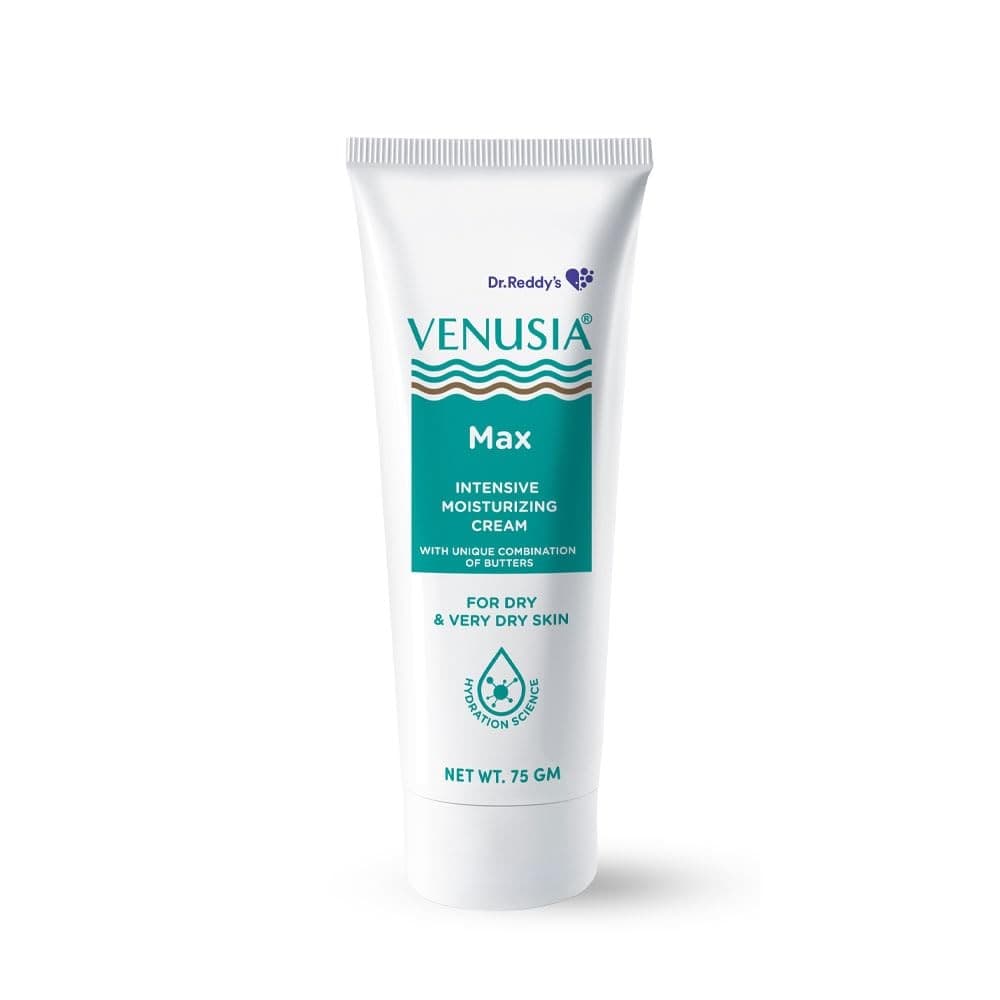
Moisturizing Cream

Dr. Reddy's Venusia

Moisturizing Cream

49938423% OFF
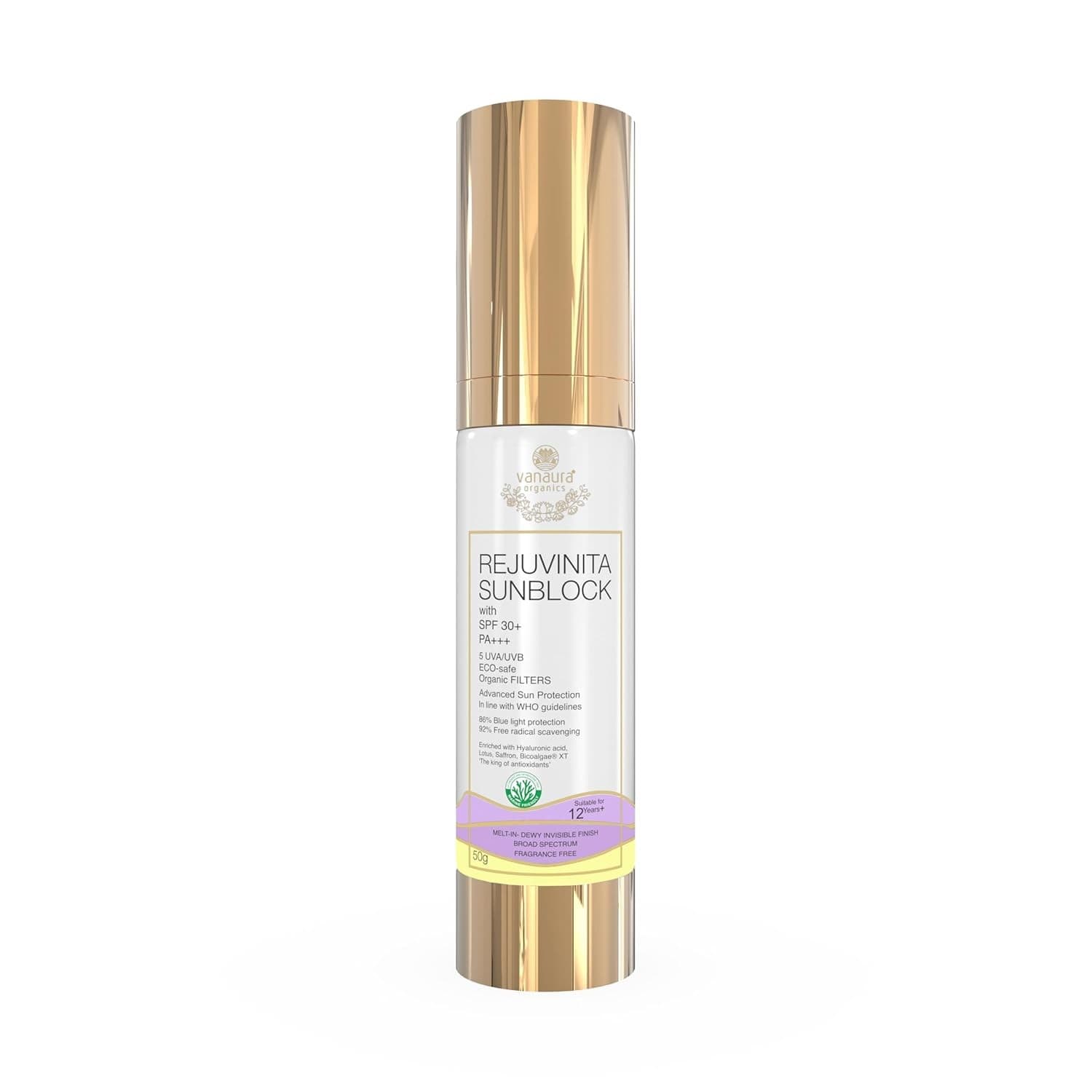
Rejuvinita sunblock cream

Vanuara Organics

Rejuvinita sunblock cream

2993152349% OFF
Nail Serum

CUTIKLES

Nail Serum

49921956% OFF
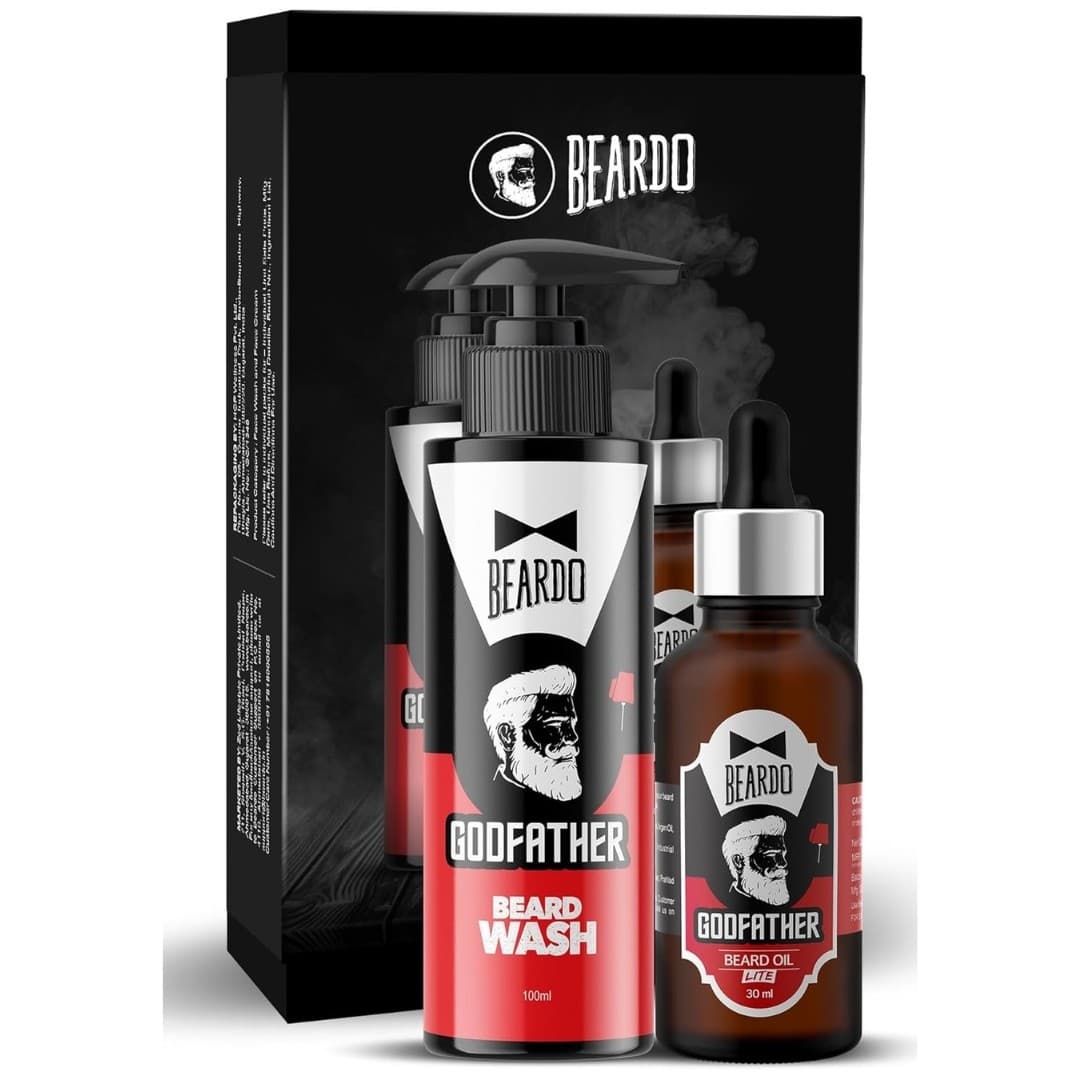
Beard Oil and Beard Wash

BEARDO

Beard Oil and Beard Wash

70047632% OFF
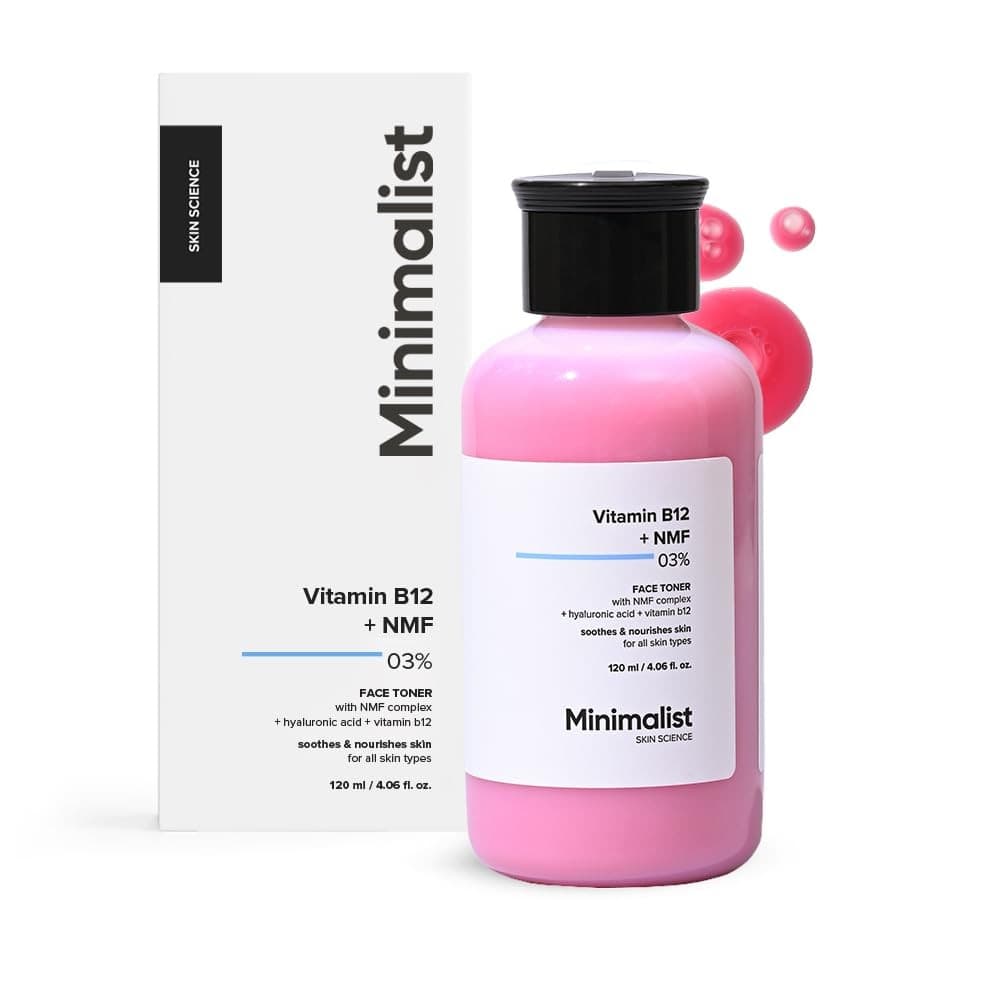
Face Toner

Minimalist

Face Toner

39935810% OFF

Recent Blogs

Rosemary Oil for Hair Growth: Does It Really Work?

July 15, 2026

Rosemary Oil for Hair Growth: Does It Really Work?

Introduction Hair fall is one of the most common hair problems affecting people of all ages. Factors like stress, hormonal changes, poor nutrition, pollution, and excessive heat styling can weaken hair over time. While there are many treatments available, natural hair growth remedies have gained popularity for their gentle approach to scalp and hair care. Recently, rosemary oil benefits have gained attention due to its scientific support. In this article, we'll learn how rosemary oil helps hair growth, its benefits, the advantages of rosemary oil, how to use rosemary oil, and what results you can expect. How Does Rosemary Oil Helps Hair Growth? Improves Blood Circulation Healthy hair follicles require a steady supply of oxygen and nutrients. Rosemary oil helps improve blood circulation in the scalp, allowing hair follicles to receive nourishment. Supports Healthy Hair Follicles Damage or inflammation around the hair follicles can contribute to increased hair shedding. Rosemary oil contains natural plant compounds that help support healthier follicles. Helps Reduce Scalp Inflammation Inflammation, irritation, or excessive buildup can interfere with normal hair growth. Rosemary oil has natural anti-inflammatory and antimicrobial properties that may help soothe the scalp. Help Reduce Hair Thinning Rosemary oil helps reduce hair shedding when used consistently due to its natural anti-inflammatory and antimicrobial properties. Rosemary Oil Benefits for Hair Regular use of rosemary oil helps improve the health and appearance of your hair and scalp. Reduce excessive hair fall by supporting healthy hair follicles. Encourages thicker and fuller-looking hair over time. Improves blood circulation to the scalp, helping nourish hair roots. Helps maintain a healthy scalp environment for hair growth. Supports stronger hair strands, reducing breakage. Adds natural shine and softness to the hair. Advantages of Rosemary Oil for Hair Many natural hair growth remedies are available today, but the advantages of rosemary oil make it stand out. Plant-based and suitable for those looking for a natural haircare option. Easy to incorporate into your routine by mixing with carrier oils or using rosemary-infused shampoos and serums. More affordable than many professional hair growth treatments. Readily available in pharmacies, beauty stores, and online. Can complement other healthy haircare practices without requiring major changes. Pleasant herbal aroma that people find refreshing during scalp massages. How to Use Rosemary Oil for Hair Growth Using rosemary oil correctly is essential for both safety and effectiveness. Mix It with a Carrier Oil Since rosemary oil is highly concentrated, always dilute it before use. Mix a few drops with carrier oils such as coconut oil, jojoba oil, sweet almond oil, or argan oil before application. Massage Your Scalp After applying diluted rosemary oil, gently massage your scalp for a few minutes using your fingertips. Leave the oil on for about 30 to 60 minutes before washing it off. Add It to Your Shampoo or Conditioner You can add a few drops of rosemary oil to your regular shampoo or conditioner . Be careful not to use excessive amounts, as too much essential oil irritates the scalp. Choose Ready-Made Hair Products Many shampoos, scalp serums , and hair oils contain rosemary oil as one of their active ingredients. These products can be a convenient option for beginners. Who Should Use Rosemary Oil? Rosemary oil is a suitable addition to your haircare routine if you're experiencing mild to moderate hair fall or early signs of hair thinning. You may benefit from rosemary oil for hair growth if you: Have mild hair shedding Notice thinning hair Want to improve scalp health Prefer natural hair growth remedies Have a dry or mildly itchy scalp Rosemary oil should not be considered a replacement for medical treatment if your hair loss is caused by an underlying health condition. If you're experiencing sudden hair loss, bald patches, excessive shedding, or hair loss related to hormonal disorders or nutritional deficiencies, it's important to seek professional advice. Tips to Get Better Results with Rosemary Oil for Hair Growth While rosemary oil can support healthier hair, it works best when combined with healthy lifestyle habits. Here are a few simple ways to improve its benefits: Follow a Balanced Diet : Hair is made of protein, so eating enough protein is important for healthy hair growth. Include foods rich in iron, zinc, biotin, omega-3 fatty acids, and vitamins A, C, D, and E. Manage Stress : Chronic stress can contribute to increased hair shedding. Practicing yoga, meditation, and regular exercise help support healthier hair growth. Prioritize Good Sleep : Hair repair and regeneration occur while your body rests. Aim for seven to nine hours of quality sleep every night. Avoid Excessive Heat Styling : Frequent use of straighteners, curling irons, and blow dryers can weaken hair strands and increase breakage. Be Gentle with Your Hair : Avoid tight hairstyles, harsh brushing, and aggressive towel drying, as these habits can contribute to unnecessary hair breakage. Stay Consistent : One of the biggest advantages of rosemary oil is that it can become part of a long-term haircare routine. Conclusion Rosemary oil for hair growth has gained attention for good reason. Rosemary helps reduce hair fall , support healthier hair follicles, and promote thicker-looking hair with regular use. However, it is not a quick fix or a cure for every type of hair loss. The best results come from consistent application, proper dilution, and a healthy haircare routine. Pair it with a balanced diet, stress management, and good scalp care for better results. If your hair loss is severe, sudden, or persistent, consult a dermatologist to identify the underlying cause and receive the right treatment. FAQs About Rosemary Oil 1. Does rosemary oil really help with hair growth? Rosemary oil for hair growth helps improve scalp circulation, reduce hair fall, and support healthier hair follicles. 2. How long does rosemary oil take to grow hair? People who use rosemary oil for hair notice visible improvements after three to six months of regular use. 3. Can I apply rosemary oil directly to my scalp? No. Rosemary essential oil should always be diluted with a carrier oil before applying it to your scalp. Using undiluted essential oil may cause irritation or allergic reactions. 4. How often should I use rosemary oil for hair growth? Using rosemary oil two to three times a week is sufficient for most people. Regular use over time is more important than frequent application. 5. Can rosemary oil stop hair loss permanently? No. Rosemary oil helps reduce hair shedding and support healthy hair growth. It cannot permanently stop hair loss caused by genetics, medical conditions, or hormonal imbalances.

How to Repair a Damaged Skin Barrier

July 7, 2026

How to Repair a Damaged Skin Barrier

Introduction Your skin acts as your body's first line of defense against the outside world. This protective layer, known as the skin barrier, helps keep moisture in while blocking harmful bacteria, pollutants, and irritants out. But when this barrier becomes damaged, your skin can become dry, irritated, and more prone to breakouts and sensitivity. If you're experiencing redness, tightness, or stinging after applying your skincare products, you may have a damaged skin barrier. In this GlamGuider guide, we'll explain what causes skin barrier damage, how to recognize the signs, and the best skin repair routine to help your skin heal. What Is the Skin Barrier? The skin barrier is the outermost layer of your skin, called the stratum corneum. The skin cells act as the "bricks," while natural lipids like ceramides, cholesterol, and fatty acids work as the "mortar" that holds everything together. A healthy skin barrier plays many important roles: Prevents moisture loss Protects against bacteria, allergens, and pollution Reduces skin sensitivity Keeps skin smooth, soft, and hydrated What Causes a Damaged Skin Barrier? Overusing Active Ingredients Ingredients like retinoids, glycolic acid, salicylic acid, and benzoyl peroxide are effective when used correctly. Using multiple active ingredients can strip away natural oils and damage the skin's protective layer. Harsh Cleansers and Overwashing Washing your face multiple times a day or using cleansers with strong chemicals can remove essential lipids that keep the skin barrier healthy. Environmental Stressors External factors that can contribute to a damaged skin barrier include: Excessive sun exposure Pollution Cold or windy weather Dry indoor conditions Air conditioning Lifestyle Factors Poor sleep, chronic stress, smoking, dehydration, and an unhealthy diet slow down your skin's natural repair process. Certain skin conditions like eczema and rosacea can also weaken the skin barrier. Signs of a Damaged Skin Barrier The common signs of a damaged skin barrier include: Dry, flaky skin Tightness after cleansing Redness and irritation Burning or stinging when applying skincare products Increased skin sensitivity Rough or uneven texture Frequent breakouts Skin that feels oily but dehydrated How to Repair a Damaged Skin Barrier Simplify Your Skincare Routine Take a break from strong exfoliants and multiple active ingredients. Focus only on products that hydrate and protect the skin until it recovers. Use a Gentle Cleanser Choose a mild, fragrance-free cleanser that removes dirt without stripping away your skin's natural oils. Avoid scrubbing or washing with hot water. Moisturize Consistently A good moisturizer helps replenish lost moisture and supports barrier repair. Apply moisturizer immediately after cleansing while your skin is still slightly damp. Look for Barrier-Repairing Ingredients When choosing skincare products, look for ingredients that support skin healing like ceramides or hyaluronic acid. These ingredients help repair skin barrier function by restoring hydration and replenishing essential lipids. Wear Sunscreen Every Day Ultraviolet (UV) rays can damage skin barrier and worsen inflammation. Use a broad-spectrum sunscreen with SPF 30 or higher every morning. Best Ingredients for Skin Barrier Repair Some ingredients are effective at helping fix damaged skin and strengthen the skin barrier. Ceramides : Restore natural skin lipids and strengthen the barrier Hyaluronic Acid : Attracts and retains moisture Glycerin : Hydrates and reduces water loss Squalane: Softens and protects the skin Panthenol : Soothes irritation and supports healing Colloidal Oatmeal : Relieves itching and redness Petrolatum : Prevents moisture loss by forming a protective seal Shea Butter : Nourishes dry skin with healthy fatty acids Niacinamide : Supports barrier function and reduces inflammation Lifestyle Tips That Support Skin Barrier Recovery Healthy skin starts from within. Along with a gentle skincare routine, these habits can support a healthy skin barrier: Drink enough water daily Eat foods rich in healthy fats, vitamins, and antioxidants Get 7 to 9 hours of quality sleep Manage stress through exercise or relaxation techniques Use a humidifier if the air is dry Avoid touching or picking your skin When Should You See a Dermatologist? Consult a dermatologist if you experience: Severe redness or swelling Cracked or parched skin Persistent itching Signs of infection Symptoms that don't improve after several weeks Suspected eczema, rosacea, or allergic reactions Conclusion A healthy skin barrier is essential for keeping your skin hydrated, smooth, and protected from everyday environmental stressors. A damaged skin barrier can cause dryness, irritation, and sensitivity. It can be restored with a gentle skincare routine, barrier-supporting ingredients, and consistent sun protection. With patience and the right skin repair routine, you can repair skin barrier function, fix damaged skin, and achieve healthier skin. If your symptoms persist or worsen despite proper care, consult a dermatologist for personalized advice. FAQs About Damaged Skin Barrier 1. How can I tell if I have a damaged skin barrier? Common signs include dryness, redness, tightness, burning, increased sensitivity, flaking, rough texture, and breakouts after using skincare products. 2. What is the fastest way to repair a damaged skin barrier? The fastest way to repair skin barrier function is to stop using harsh active ingredients, cleanse gently, moisturize regularly with ceramide-rich products, and wear sunscreen daily. 3. Can a damaged skin barrier heal on its own? Yes. A mildly damaged skin barrier can heal naturally with a simple skincare routine and by avoiding products that cause irritation. 4. How long should I follow a skin repair routine? Continue your skin repair routine until your skin no longer feels dry, irritated, or sensitive. Even after recovery, maintaining a gentle routine helps prevent future barrier damage. 5. Can oily skin have a damaged skin barrier? Oily skin can have a compromised skin barrier. In fact, damaged skin barrier produces more oil to compensate for moisture loss, making the skin feel oily yet dehydrated.

What Is Azelaic Acid and How Does It Help Acne and Pigmentation?

July 3, 2026

What Is Azelaic Acid and How Does It Help Acne and Pigmentation?

Introduction If you are looking for a skincare ingredient that can help manage acne, fade post-acne dark spots and calm inflammation without relying on an aggressive exfoliant, azelaic acid may deserve a place in your routine. Although ingredients such as retinol, salicylic acid and vitamin C often receive more attention, azelaic acid is commonly recommended by dermatologists because it can address several skin concerns at the same time. In this GlamGuider guide, we explain what azelaic acid is, how it works, its main uses and benefits, possible side effects and what you can realistically expect before and after consistent use. What Is Azelaic Acid? Azelaic acid is a naturally occurring dicarboxylic acid. The azelaic acid used in skincare and prescription treatments is manufactured under controlled conditions to ensure purity, consistency and stability. It is used in products designed to manage concerns such as: Mild to moderate inflammatory acne Post-inflammatory hyperpigmentation caused by acne Melasma Inflammatory papules and pustules associated with rosacea Uneven-looking skin tone Azelaic acid products are available in different strengths and formulations, including creams, gels, foams and cosmetic serums. Prescription status and available concentrations vary between countries, so always follow the instructions provided with the product. How Does Azelaic Acid Work? Azelaic acid acts through several pathways that may benefit acne-prone and pigmentation-prone skin. Reduces Acne-Related Bacteria Azelaic acid has antimicrobial properties that can help control microorganisms associated with inflammatory acne. Helps Keep Pores Clear It helps normalise the shedding of skin cells inside the pores. This may reduce the buildup of dead skin cells that contributes to clogged pores, blackheads, whiteheads and inflammatory breakouts. Calms Inflammation Its anti-inflammatory properties can help reduce inflammation associated with acne and some forms of rosacea. Helps Reduce Excess Pigment Azelaic acid can reduce the activity of tyrosinase, an enzyme involved in melanin production. With consistent use, this may gradually improve post-acne dark spots, melasma and uneven pigmentation. Uses and Benefits of Azelaic Acid 1. Helps Manage Mild to Moderate Acne Azelaic acid may help inflammatory acne by reducing acne-related bacteria, supporting normal skin-cell turnover and calming inflammation. It can be particularly useful for people who experience both active acne and dark marks after their pimples heal. However, severe, painful, nodular or cystic acne should be evaluated by a dermatologist rather than treated only with cosmetic skincare. 2. Fades Post-Acne Dark Spots After a breakout heals, it may leave behind brown, grey or dark marks known as post-inflammatory hyperpigmentation, or PIH. Azelaic acid may gradually fade these marks by limiting excess melanin production. It is important to distinguish between brown or grey pigmentation and flat red post-acne marks. Azelaic acid is more commonly used for post-inflammatory pigmentation, while persistent red marks may require a different treatment approach. 3. May Help Melasma Azelaic acid is sometimes included in treatment plans for melasma, a condition that causes patches of pigmentation, commonly on the cheeks, forehead and upper lip. Because melasma is often persistent and can return, it is best managed with professional guidance and consistent sun protection. 4. Helps Inflammatory Rosacea Bumps Prescription azelaic acid is used for the inflammatory papules and pustules associated with mild to moderate rosacea. These bumps can appear similar to acne, but rosacea and acne are different conditions. Azelaic acid may also reduce some inflammation-related redness, but it should not be presented as a guaranteed treatment for persistent background redness without bumps. 5. Supports a More Even-Looking Skin Tone By helping manage acne, inflammation and excess pigmentation, azelaic acid may gradually make the skin appear clearer and more even. 6. Often Suitable for Long-Term Routines Azelaic acid can be incorporated into a longer-term skincare routine when it is well tolerated. However, the appropriate strength and frequency depend on the product, your skin condition and professional advice. Azelaic Acid Before and After: What Results Can You Expect? Azelaic acid does not usually provide overnight results. Improvement tends to be gradual and depends on the condition being treated, the strength of the product and how consistently it is used. You may notice: Fewer inflammatory breakouts after several weeks Less irritation and inflammation Gradual fading of post-acne pigmentation Smoother-looking skin texture A more even-looking complexion Prescription azelaic acid studies commonly assess results over approximately 12 weeks. Some people may notice improvement earlier, while pigmentation and melasma can take longer. Results vary depending on: Your skin type The severity of your acne or pigmentation The concentration and formulation used How regularly the product is applied Your use of sunscreen The other products in your skincare routine Daily broad-spectrum sunscreen is especially important when treating pigmentation because sunlight can darken existing marks and contribute to the development of new pigmentation. How to Use Azelaic Acid? Always begin by checking the instructions provided with your product. Prescription products should be used exactly as directed by your dermatologist. A basic routine may include the following steps: Cleanse your face using a mild cleanser. Pat the skin dry gently. Apply a thin, even layer of azelaic acid to the recommended areas. Allow the product to absorb. Follow with a moisturiser if needed. During the day, apply a broad-spectrum sunscreen with SPF 30 or higher. Avoid applying azelaic acid close to the eyes, lips, inside the nose or on broken and severely irritated skin. If you have sensitive skin or experience persistent stinging, you may need to reduce the frequency of use. Introduce it gradually and avoid adding several strong active ingredients to your routine at the same time. Can You Combine Azelaic Acid With Other Skincare Ingredients? Azelaic acid can be used alongside many commonly used skincare ingredients. Niacinamide Niacinamide may help support the skin barrier, reduce excess oil and improve the appearance of redness. Hyaluronic Acid Hyaluronic acid can provide additional hydration and may help reduce dryness associated with active skincare products. Ceramides Ceramides help maintain the skin’s protective barrier and can be beneficial if azelaic acid causes dryness or sensitivity. Vitamin C Vitamin C and azelaic acid may both support a brighter and more even-looking complexion. However, using them together may irritate very sensitive skin. Using them at different times of the day may improve tolerability. Retinoids, Salicylic Acid and Glycolic Acid Azelaic acid can sometimes be included in routines containing retinoids or exfoliating acids. However, combining several active ingredients may increase dryness, peeling, burning and irritation. Introduce one active ingredient at a time and consider using them on alternate days until your skin adapts. Side Effects of Azelaic Acid Some people experience mild irritation when they begin using azelaic acid. Possible side effects include: Burning or stinging Tingling Itching Dryness Scaling Redness or irritation These effects are often more noticeable during the first few weeks. Stop using the product and seek medical advice if you experience: Severe or persistent burning Significant swelling Hives Blistering Difficulty breathing Unusual or noticeable loss of skin colour People with deeper skin tones should pay attention to unexpected lightening of the treated area and consult a dermatologist if they notice a significant colour change. Pregnant or breastfeeding individuals should discuss their skincare routine with their obstetrician or dermatologist before starting a medicated product. Who Should Consult a Dermatologist Before Using It? Professional advice is recommended when: You have severe, cystic or painful acne Your acne is causing scars You are unsure whether you have acne or rosacea You are treating melasma You experience persistent irritation You notice unusual skin-lightening You are pregnant or breastfeeding The product is being considered for a child Your condition does not improve after consistent use Conclusion Azelaic acid is a versatile skincare ingredient that may help manage mild to moderate inflammatory acne, post-acne pigmentation, melasma and inflammatory bumps associated with rosacea. Its ability to address breakouts, inflammation and excess pigmentation makes it particularly useful for people who experience acne along with dark marks. However, azelaic acid is not an instant solution. Consistent use, a gentle skincare routine and daily sun protection are important for achieving visible improvement. Choose the appropriate formulation for your skin and consult a dermatologist when treating persistent or severe concerns. Frequently Asked Questions 1. Does azelaic acid work for acne? Azelaic acid may help mild to moderate inflammatory acne by reducing acne-related bacteria, supporting normal skin-cell turnover and calming inflammation. 2. Can azelaic acid remove dark spots? It may gradually fade post-acne hyperpigmentation and melasma. However, it may not work equally well for every type of pigmentation, and results usually require consistent use. 3. Can I use azelaic acid every day? Many azelaic acid products are designed for daily use. The correct frequency depends on the strength, formulation and your skin’s tolerance. Follow the product instructions or your dermatologist’s advice. 4. Is azelaic acid suitable for sensitive skin? Azelaic acid is often well tolerated, but sensitive skin can still experience burning, dryness, itching or redness. Introduce it gradually and support the skin with a gentle moisturiser. 5. Can azelaic acid be used during pregnancy? Azelaic acid is generally considered one of the topical ingredients that may be used during pregnancy. However, pregnant or breastfeeding individuals should confirm their routine with an obstetrician or dermatologist. 6. Can azelaic acid be used with niacinamide? Yes. Azelaic acid and niacinamide can generally be included in the same routine. The combination may help support the skin barrier while addressing acne, redness and uneven pigmentation. 7. Does azelaic acid cause skin purging? Some people may notice changes in their skin after introducing a new active ingredient. However, worsening acne should not automatically be assumed to be “purging.” Persistent breakouts, burning or irritation may indicate that the product or routine is not suitable for your skin. Medical Disclaimer: This article is for educational purposes only and should not replace personalised advice from a qualified dermatologist or healthcare professional.

Ancient Ayurvedic Ingrediants Making a Modern comeback

July 2, 2026

Ancient Ayurvedic Ingrediants Making a Modern comeback

Ancient beauty traditions are finding new relevance in modern skincare. As ingredient-conscious consumers look for greater transparency, simpler routines and products that combine sensorial appeal with functional benefits, botanicals associated with Ayurveda are appearing across cleansers, masks, serums, moisturisers and facial oils. Ayurveda is a traditional Indian system of health and wellness with a long history of using botanical preparations alongside diet and lifestyle practices. Modern interest, however, should not be confused with automatic proof of effectiveness. Research has explored the antioxidant, anti-inflammatory, antimicrobial and soothing potential of several botanicals used in Ayurvedic traditions, but the strength of evidence varies by ingredient, formulation, concentration and skin concern. A well-formulated product may behave very differently from a raw kitchen ingredient or homemade paste. GlamGuider perspective: “Natural” does not automatically mean gentle, safe or clinically proven. Evaluate the complete formulation not only the hero ingredient. Why Ayurvedic Ingredients Are Returning to Modern Skincare Greater demand for ingredient transparency Consumers increasingly want to understand what is in a product, why it is included and how it fits their skin type. This has created renewed interest in familiar Indian botanicals, especially when brands clearly disclose the full ingredient list and formulation purpose. Tradition is being paired with formulation science Modern brands are using standardised extracts, improved delivery systems, preservatives and stability testing to make botanical ingredients more predictable than traditional homemade preparations. Scientific research is also investigating some of the biological activities associated with these plants, although evidence is not equally strong for every claim. Skincare is becoming part of a wider wellness conversation Many users now view skincare as part of a broader routine involving comfort, sleep, stress, nutrition and self-care. This overlaps with Ayurveda’s holistic emphasis, while modern skincare still requires evidence-based formulation and realistic cosmetic claims. Indian beauty heritage has global appeal Turmeric, neem, saffron, sandalwood and aloe vera carry strong cultural recognition. Their contemporary comeback is being shaped by modern textures, international packaging, ingredient storytelling and consumer demand for products rooted in regional beauty traditions. Six Ayurvedic-Inspired Ingredients in Modern Skincare 1. Turmeric (Haldi): An Antioxidant-Rich Botanical Turmeric contains curcuminoids, including curcumin, which have been studied for antioxidant and anti-inflammatory activity. In skincare, turmeric extracts are commonly included in masks, cleansers, serums and facial oils designed to support radiance and soothe the appearance of stressed skin. Research into dermatological uses is promising in some areas, but results depend on the condition, formulation and route of use. Best suited for: Dull-looking skin and users seeking antioxidant-focused formulations. Watch out for: Raw turmeric may stain the skin and clothing, and concentrated DIY mixtures may irritate sensitive skin. Formulated products are generally more predictable. 2. Neem: A Traditional Purifying Botanical Neem has a long history of use in Indian cleansing and skincare rituals. Laboratory research has identified antimicrobial compounds in the plant, which is why neem is frequently used in products marketed for oily or blemish-prone skin. It may support a fresh, balanced feel, but it should not be presented as a proven replacement for acne treatment. Best suited for: Oily or blemish-prone skin when used in a balanced, non-stripping formulation. Watch out for: Strong neem extracts, essential oils or highly fragranced formulas may be irritating. Persistent acne should be assessed by a dermatologist. 3. Saffron (Kesar): A Premium Radiance Ingredient Saffron contains antioxidant compounds and has traditionally been associated with ceremonial beauty and radiance-focused preparations. Modern skincare brands include saffron in oils, creams and serums designed to support luminosity and improve the appearance of dull skin. Clinical evidence for skin brightening and tone-evening remains limited, so claims should be interpreted cautiously. Best suited for: Users looking for sensorial, antioxidant-led radiance products. Watch out for: Premium pricing does not guarantee a meaningful concentration. Check whether saffron extract is clearly listed and whether the overall formula suits your skin. 4. Sandalwood (Chandan): A Cooling and Aromatic Ingredient Sandalwood has traditionally been used in pastes valued for their cooling, aromatic and soothing qualities. Modern products may contain sandalwood powder, extract, oil or fragrance—these are not interchangeable. Well-formulated products may provide a calming sensorial experience, but evidence for specific cosmetic benefits such as oil control or redness reduction is still limited. Best suited for: Users seeking a calming or sensorial skincare experience. Watch out for: Sandalwood essential oil and fragrance components may trigger irritation or allergy in sensitive skin. Always review the complete ingredient list. 5. Aloe Vera: A Lightweight Hydration and Soothing Staple Aloe vera has been used in traditional healing practices for centuries and remains common in gels, moisturisers, masks and after-sun products. It is valued for its lightweight texture, hydrating feel and ability to provide temporary cooling and comfort. Clinical evidence varies by condition and preparation, so aloe should not be treated as a universal healing ingredient. Best suited for: Users seeking lightweight hydration or a cooling, soothing feel. Watch out for: Aloe products do not replace sunscreen or medical care for significant burns. Fragrance, alcohol and other ingredients in the formula may affect tolerability. 6. Ashwagandha: An Emerging Adaptogenic Skincare Ingredient Ashwagandha is best known as a botanical used in Ayurvedic wellness traditions and is increasingly appearing in skincare marketed around environmental stress, resilience and visible ageing. Laboratory research has explored its antioxidant potential, but strong clinical evidence for topical anti-ageing benefits remains limited. Best suited for: Users interested in emerging botanical formulations and antioxidant-focused skincare. Watch out for: “Adaptogenic” and “anti-stress” are often marketing terms in skincare. Look for transparent formulation details and avoid expecting treatment-level results. What These Ingredients May Add to a Routine Multiple formulation roles Depending on the ingredient and product, botanicals may contribute antioxidant support, hydration, oil-balancing feel, fragrance, colour or sensorial appeal. Familiarity and cultural relevance Indian consumers may recognise these ingredients from household, ceremonial or wellness traditions, making them easy to understand and emotionally resonant. Compatibility with modern textures Botanical extracts can now be incorporated into lightweight gels, emulsions, serums and stable creams, making them easier to use than many traditional preparations. Potential for responsible sourcing Plant-based ingredients may support more sustainable product development when they are responsibly cultivated, traceably sourced and combined with environmentally conscious manufacturing and packaging. Botanical origin alone does not guarantee sustainability. How to Choose an Ayurvedic-Inspired Skincare Product Read the full INCI ingredient list rather than relying only on the front-label hero ingredient. Look for a clearly named extract instead of a vague “herbal blend.” Check whether fragrance, essential oils or drying alcohols may be unsuitable for sensitive skin. Prefer opaque or air-restrictive packaging when the formula contains light- or air-sensitive ingredients. Assess whether the product is designed for your skin type and concern not only whether the ingredient is traditional or natural. Look for transparent claims, testing information and clear usage instructions. Introduce one new product at a time so that you can identify the cause of irritation or improvement. Patch-test before wider use, especially if you have sensitive or allergy-prone skin. Matching Ingredients to Skin Needs Skin need Ingredients commonly considered What to check in the formula Oily or blemish-prone Neem, lightweight turmeric products Non-comedogenic base, gentle surfactants, no excessive fragrance Dry or dehydrated Aloe vera, saffron-based oils or creams Humectants, emollients and barrier-supporting ingredients Sensitive or easily irritated Simple aloe-based formulas Minimal fragrance, short ingredient list, patch testing Dull-looking skin Turmeric or saffron formulations Complementary antioxidants, sunscreen use and realistic claims Early visible ageing concerns Antioxidant-led turmeric or ashwagandha products Evidence-based actives, sunscreen and stable packaging A Note on DIY Ayurvedic Skincare Homemade pastes are not automatically safer than formulated skincare. Raw turmeric may stain, essential oils may sensitise the skin, abrasive powders can disrupt the barrier, and water-based homemade mixtures may become contaminated without proper preservation. A professionally formulated and stability-tested product is generally more predictable than a kitchen mixture. Do not apply lemon juice, undiluted essential oils or strongly abrasive herbal powders to the face. Stop use if burning, swelling, persistent redness or itching develops. How to Introduce These Ingredients Safely Start with one product: Add only one new product at a time and use it consistently for several weeks unless irritation develops. Patch-test first: Apply a small amount to a limited area and observe before using it across the face. Follow the intended frequency: A cleanser, serum, mask and oil have different exposure times. More frequent use is not automatically better. Protect the skin barrier: Avoid combining several potentially irritating products at once. Keep the rest of the routine gentle. Use sunscreen daily: Botanical products do not replace broad-spectrum sun protection, especially when your goal is improved radiance or even-looking tone. Seek professional advice when needed: Persistent acne, pigmentation, eczema, allergic reactions or painful skin conditions require qualified medical assessment. The Future of Ayurveda in Modern Beauty Ayurvedic-inspired skincare is likely to continue growing as brands combine regional beauty heritage with modern cosmetic textures, ingredient testing and global product design. The strongest products will not rely on heritage alone; they will explain the ingredient, disclose the formulation, use responsible sourcing and make claims that match the available evidence. The most balanced approach is to appreciate traditional botanical knowledge while evaluating each product through the lens of formulation quality, concentration, safety, evidence and individual skin needs. Start gradually, patch-test new products and choose transparent brands that combine botanical ingredients with responsible formulation and testing. Frequently Asked Questions Are Ayurvedic ingredients safe for every skin type? No. Even natural ingredients can cause irritation or allergy. Suitability depends on the ingredient, concentration, complete formulation and individual skin sensitivity. Can turmeric or saffron permanently lighten skin? No cosmetic ingredient should be expected to permanently change natural skin colour. Some products may support radiance or reduce the appearance of dullness, but strong lightening claims should be treated cautiously. Is neem a treatment for acne? Neem is used in products for oily or blemish-prone skin, but it is not a substitute for evidence-based acne treatment. Persistent or severe acne should be assessed by a dermatologist. Can aloe vera replace an after-sun treatment or sunscreen? No. Aloe may provide a cooling or moisturising feel, but it does not replace broad-spectrum sunscreen or medical care for significant burns. Are homemade Ayurvedic masks better than commercial products? Not necessarily. Commercial products can offer controlled concentrations, preservation, stability and safety testing. Homemade mixtures may stain, irritate or become contaminated. Editorial Note This article is for general educational purposes and does not replace professional dermatological advice. Stop using a product if irritation develops and consult a dermatologist for persistent acne, pigmentation, eczema, burns or other skin concerns.

Welcome to GlamGuider – Where Beauty Meets Authenticity!


At GlamGuider, we’re more than just a platform; we’re a thriving community of beauty enthusiasts and experts dedicated to simplifying your journey through the vast world of beauty and personal care. Our mission is to empower you with the knowledge and confidence to choose the perfect products tailored to your needs.


Why GlamGuider?


We know how daunting it can be to navigate countless beauty products and brands. That’s why we’ve designed GlamGuider to be your trusted companion. From honest, in-depth reviews to expert insights, every piece of content we create is crafted with one goal in mind: to help you make informed and confident decisions.


Our Commitment to Authenticity


Transparency and trust are at the heart of what we do. Our reviews are based on real experiences and unbiased evaluations, ensuring that you receive honest recommendations. Whether it’s a skincare routine, hair care solution, or body care essential, we’re here to guide you every step of the way.


Explore Our Categories


At GlamGuider, we cover a wide array of personal care needs, helping you discover the best products before making a purchase:

  • Bath & Body Care: Nurture and pamper your skin with products designed to refresh and rejuvenate.
  • Hair Care: From shampoos to styling products, find what works best for your hair type and goals.
  • Face and Skin Care: Dive into skincare tips and solutions that keep your face glowing and healthy.
  • Foot Care: Discover products to keep your feet soft, smooth, and well-cared for.


More Than Just Reviews


Whether you’re searching for tailored skincare solutions, seeking expert tips, hunting for the best brands, or scouting for amazing deals, GlamGuider is your one-stop destination. Our curated content and user-friendly guides make it easier than ever to find what you’re looking for. Join us on this journey and let GlamGuider be your ultimate resource for all things beauty and personal care. Your confidence begins here!