Introduction
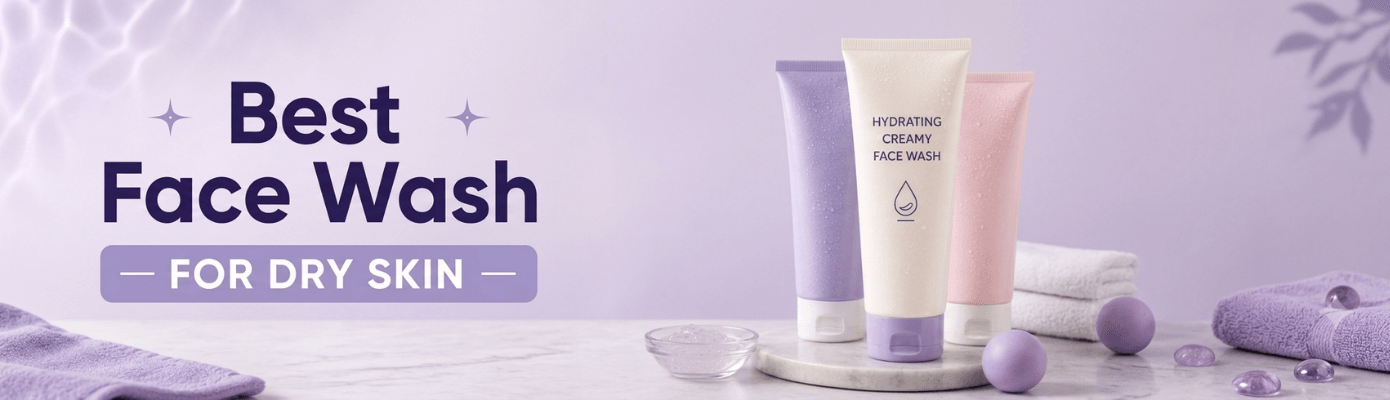
Dry skin needs a cleanser that removes dirt and impurities without stripping away the little moisture the skin holds. If your face feels tight, rough or flaky after washing, your face wash is working against you.
Dry skin can occur due to genetics, compromised skin barrier, aging and other skin concerns.has a compromised lipid barrier that loses water more quickly than it should. The wrong can make the skin barrier worse. This GlamGuider guide walks you through exactly what to look for, what to avoid, and which products work for dry skin types.
Understanding the Why and the How
Understanding Dry Skin
Dry skin can occur due to genetics, compromised skin barrier, aging and other skin concerns. When the outermost layer of the skin is compromised, it cannot retain water efficiently. This leads to transepidermal water loss (TEWL), which causes tightness, flaking, dullness and sensitivity
- Lipid deficiency - Dry skin produces less sebum than normal, leaving fewer natural oils to seal in moisture and protect the skin surface.
- Transepidermal water loss (TEWL) - A damaged or thin skin barrier allows water to evaporate faster from the skin.
- Tight, flaky sensation after cleansing - This is a sign that a cleanser has disrupted the acid mantle and stripped natural oils, worsening the barrier over time.
How to Choose the Right Face Wash for Dry Skin
- Formula type - Cream and milk cleansers are the best match for dry skin. They cleanse without disrupting the lipid barrier.
- Hydrating actives - Look for glycerin, hyaluronic acid, ceramides, shea butter, squalane or niacinamide in the first half of the ingredient list. These either attract water to the skin or reinforce the barrier while cleansing.
- pH level - A pH-balanced formula (4.5 to 6) is important for all skin types but especially dry skin, which is more vulnerable to barrier disruption from high-pH cleansers.
- Surfactant type - Gentle surfactants like coco-glucoside, decyl glucoside or sodium cocoyl isethionate cleanse without stripping natural oils. Avoid sodium lauryl sulphate (SLS), sodium laureth sulphate (SLES) and ammonium lauryl sulphate.
- Fragrance-free preferred - Fragrance is one of the most common irritants for dry skin and should be avoided.
Key Ingredients to Know
Ingredients to Look for
- Glycerin - A humectant that draws water from the air into the skin.
- Ceramides (1, 3, 6-II) - They are naturally found in the skin barrier. Replacing them through skincare helps seal in moisture and restore barrier integrity.
- Hyaluronic acid - In a cleanser it offers a brief hydration boost and helps skin feel nourished after rinsing.
- Squalane - A lightweight ingredient , that mimics the skin's natural sebum and prevents moisture loss without feeling heavy.
- Niacinamide (2 to 4%) - Strengthens the skin barrier, reduces redness and supports ceramide production.
- Shea butter or plant oils - Rich emollients that soften and protect the skin surface. Best in cream cleansers for very dry or flaky skin.
- Aloe vera - Soothing and anti-inflammatory. Helps calm reactive dry skin while cleansing.
Ingredients to avoid
- SLS and SLES - Harsh sulfate surfactants that strip lipids from the skin barrier and worsen dryness and sensitivity.
- Denatured alcohol (alcohol denat.) - Dissolves natural oils and disrupts the acid mantle.
- Synthetic fragrance - A leading cause of contact dermatitis and irritation.
- Salicylic acid in high concentrations - A BHA that exfoliates inside pores. Useful for oily or acne-prone skin.
- Benzoyl peroxide - Effective for acne but highly drying. Not suitable for dry skin types.
- Menthol and eucalyptus - Cooling agents that feel refreshing but are irritating to dry and sensitised skin.
- Astringent botanical extracts - Witch hazel, peppermint and citrus-derived ingredients can draw out moisture and worsen tightness.
Skin-type and concern-specific guidance
Dry + sensitive
Choose fragrance-free, dye-free cream cleansers with ceramides and no active exfoliants. Wash once daily, at night only, and rinse with cool water.
Dry + dehydrated
Dehydrated skin lacks water (not oil), and can occur in any skin type including oily skin. For dry and dehydrated skin together, focus on humectants like glycerin and hyaluronic acid. Follow immediately with a toner or essence after cleansing to prevent water loss while the skin is damp.
Dry + eczema-prone
Use hypoallergenic cleansers with ceramides and zero fragrance. Avoid most of the active ingredients, if skin is reactive. Consult a dermatologist for persistent eczema.
Dry + ageing
Mature dry skin loses both moisture and elasticity. Look for cream cleansers with peptides, ceramides and squalane. Gentle AHAs (lactic acid at low concentrations) can improve cell turnover.
Dry + acne-prone
This combination is tricky. You need to control breakouts without worsening dryness. Look for non-comedogenic gentle cleansers with low-dose salicylic acid (0.5%) or niacinamide rather than benzoyl peroxide. Always follow with a rich moisturiser.
Do's & Don’ts
Do's
- Choose a hydrating, cream-based cleanser that contains ingredients like glycerin, ceramides, hyaluronic acid, or colloidal oatmeal.
- Wash with lukewarm water to cleanse effectively without stripping away natural oils.
- Cleanse only once or twice daily to prevent excessive moisture loss and skin barrier damage.
- Apply moisturizer immediately after cleansing while the skin is still slightly damp to lock in hydration.
- Look for fragrance-free and alcohol-free formulas if your skin is sensitive or prone to irritation.
- Support your skincare routine with adequate hydration by drinking water and using a humidifier in dry environments.
Don’ts
- Don't use hot water as it can worsen dryness, redness, and skin sensitivity.
- Don't choose harsh foaming cleansers that contain strong sulfates and can strip essential moisture.
- Don't skip moisturizer after washing as this can increase transepidermal water loss (TEWL).
- Don't over-exfoliate during cleansing with scrubs or highly exfoliating cleansers.
- Don't assume natural ingredients are always gentle, as essential oils, citrus extracts, and witch hazel can irritate dry skin.
- Don't ignore signs of irritation such as persistent redness, itching, burning, or flaking; switch products or seek professional advice if needed.
Glam Wrap-Up: Final Tips & Takeaway
The best face wash for dry skin cleanses effectively while helping your skin retain essential moisture. Look for gentle cream or milk cleansers enriched with hydrating and barrier-supporting ingredients such as glycerin, ceramides, hyaluronic acid, and squalane, while avoiding harsh sulfates, alcohol, and heavy fragrances. When paired with a good moisturiser and a consistent skincare routine, the right cleanser can reduce tightness, flaking, and discomfort, leaving your skin soft, balanced, and healthy-looking.