
Introduction
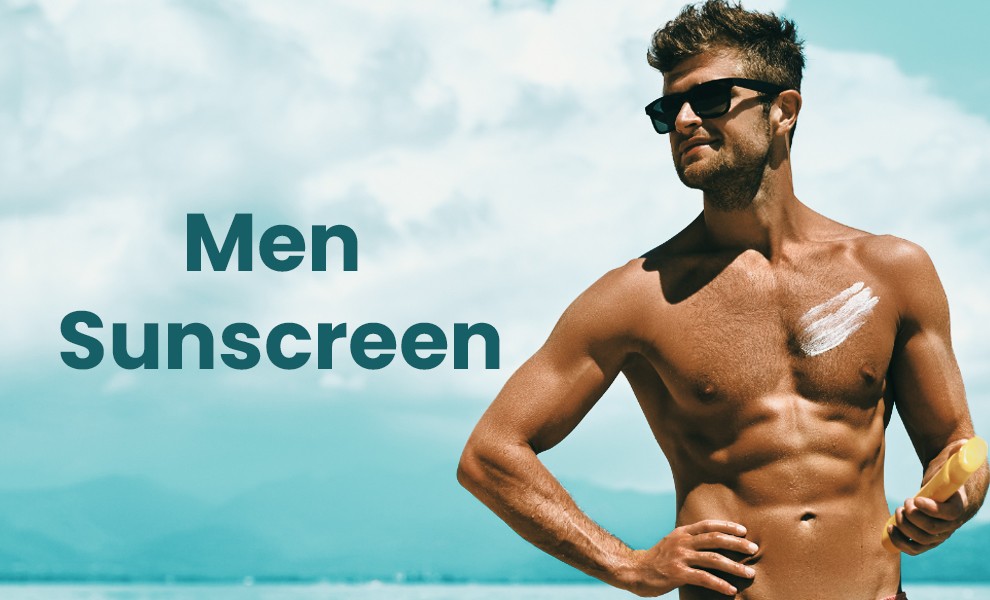
Protecting your skin from the sun is one of the most important steps in any skincare routine. Sunscreen is your skin’s first line of defense against harmful UVA and UVB rays, which can cause premature aging, sunburns, and even skin cancer. Whether you're spending the day outdoors or just running errands, applying sunscreen daily is essential rain or shine. This makes sunscreen one of the most recommended “everyday use sunscreen” products on GlamGuider.
Understanding the Why and the How
Understanding how organic sunscreens protect your skin helps you choose wiser ones, including top face sunscreens that provide clean, safe, and dependable UV protection year-round.
What Are Organic Sunscreens?
Before we choose any sunscreen, let us give some insights on what is organic sunscreen.
Organic sunscreens use mineral-based ingredients like zinc oxide and titanium dioxide to provide broad-spectrum protection against harmful UV rays. Unlike chemical sunscreens, they:
-
Create a physical barrier to reflect UV radiation.
-
Hydrate and calm skin with natural botanicals like aloe vera and coconut oil.
-
Skip harsh chemicals, making them ideal for sensitive or acne-prone skin.
- They’re a smart choice for anyone seeking gentle, eco-conscious sun care that supports both skin health and the environment.They are also commonly preferred during colder months, making them suitable as a “sunscreen for winter” option.
How Do Sunscreens Work?
Organic sunscreens shield your skin through a powerful 3-step process:
-
Mineral Barrier – Zinc oxide and titanium dioxide sit on the skin’s surface, physically reflecting UVA and UVB rays.
-
Antioxidant Protection – Ingredients like green tea extract and vitamin E fight free radicals, helping prevent sun-induced damage.
-
Hydration and Repair – Soothing botanicals such as aloe vera and chamomile calm and moisturize, reducing irritation and redness.
This physical protection makes them highly reliable as UV protection sunscreen for daily use.
Benefits of Organic Sunscreen
When looking for a sunscreen for winter or all year, these natural products protect against UV rays well while remaining light, refreshing for all skin types.
-
Broad-Spectrum Protection – Blocks both UVA (aging) and UVB (burning) rays.
-
Non-Greasy Formulas – Perfect for oily and combination skin types.
-
Hydrating and Lightweight – Nourishes skin without feeling heavy.
-
Sensitive Skin-Friendly – Free from synthetic irritants.
-
Eco-Friendly and Reef-Safe – Better for your skin and the planet.
-
Anti-Aging Boost – Antioxidants help smooth fine lines and prevent sunspots.
A great pick if you're looking for the top sunscreens for face without harsh chemicals.
How to Use Sunscreen for Oily Skin?
-
Cleanse – Start with a gentle face wash to remove oil and buildup.
-
Apply Generously – Cover all exposed areas, including ears and neck.
-
Layer Correctly – Use sunscreen after your moisturizer.
-
Reapply Often – Every 2 hours, especially after sweating or swimming.
-
Stay Protected – Use hats, sunglasses, and shade for extra defense.
GlamGuider experts recommend reapplication, even in the winter, to maintain consistent UV protection.
How to Choose the Best Sunscreen for Face and Oily Skin
-
Go for non-comedogenic, matte-finish formulas to prevent shine.
-
Ensure SPF 30 or higher for everyday protection.
-
Look for natural hydrating agents like aloe vera and coconut oil.
-
Choose mineral-based, reef-safe sunscreens with clean ingredient labels.
-
Avoid formulas with alcohol, artificial fragrance, or pore-clogging oils.
These are the same parameters GlamGuider uses while shortlisting top sunscreens for face.
Key Ingredients to Know
GlamGuider breaks down high-quality organic sunscreen ingredients to help you choose the healthiest and most effective UV protection sunscreen sunscreen for teens.
-
Zinc Oxide – Offers broad-spectrum defence without clogging pores.
-
Titanium Dioxide – Gentle and effective, perfect for sensitive or oily skin.
-
Aloe Vera – Cools, hydrates, and refreshes.
-
Green Tea Extract – A powerful antioxidant to reduce premature aging.
-
Vitamin E – Helps repair and protect the skin barrier.
-
Coconut Oil – Provides natural moisture and smoothness.
-
Chamomile Extract – Calms inflamed or irritated skin.
Ingredients to Avoid in Sunscreens
Steer clear of these potentially harmful ingredients:
-
Oxybenzone & Octinoxate – May irritate the skin and damage marine ecosystems.
-
Parabens & Phthalates – Known endocrine disruptors.
-
Synthetic Fragrances – Can trigger allergies or sensitivities.
-
Avobenzone – Often linked to skin irritation.
Do's & Don’ts
Do’s:
-
Use sunscreen every day, even on cloudy days.
-
Don’t forget areas like the ears, neck, hands, and feet.
-
Pair sunscreen with protective clothing and accessories.
- Choose SPF 30+ for everyday use sunscreen protection.
Don’ts:
-
Don’t skip reapplication after water exposure or sweating.
-
Avoid expired sunscreens they lose effectiveness.
-
Don’t rely solely on makeup with SPF for sun protection.
Glam Wrap-Up: Final Tips & Takeaway
Organic sunscreens are a natural, skin-friendly alternative for anyone looking to protect their face and body from UV damage without harsh chemicals. With ingredients like zinc oxide, green tea, and chamomile, they offer sun defence while supporting hydration, repair, and anti-aging.
Whether you’re looking for the best sunscreen for oily skin, sensitive skin, or a gentle daily option, an organic formula fits right into your skincare routine. Plus, choosing organic means you're caring for the planet while caring for your skin.
At GlamGuider, our team conducts ingredient analysis, authentic reviews, and user feedback to recommend the top sunscreens for face and everyday use.
-
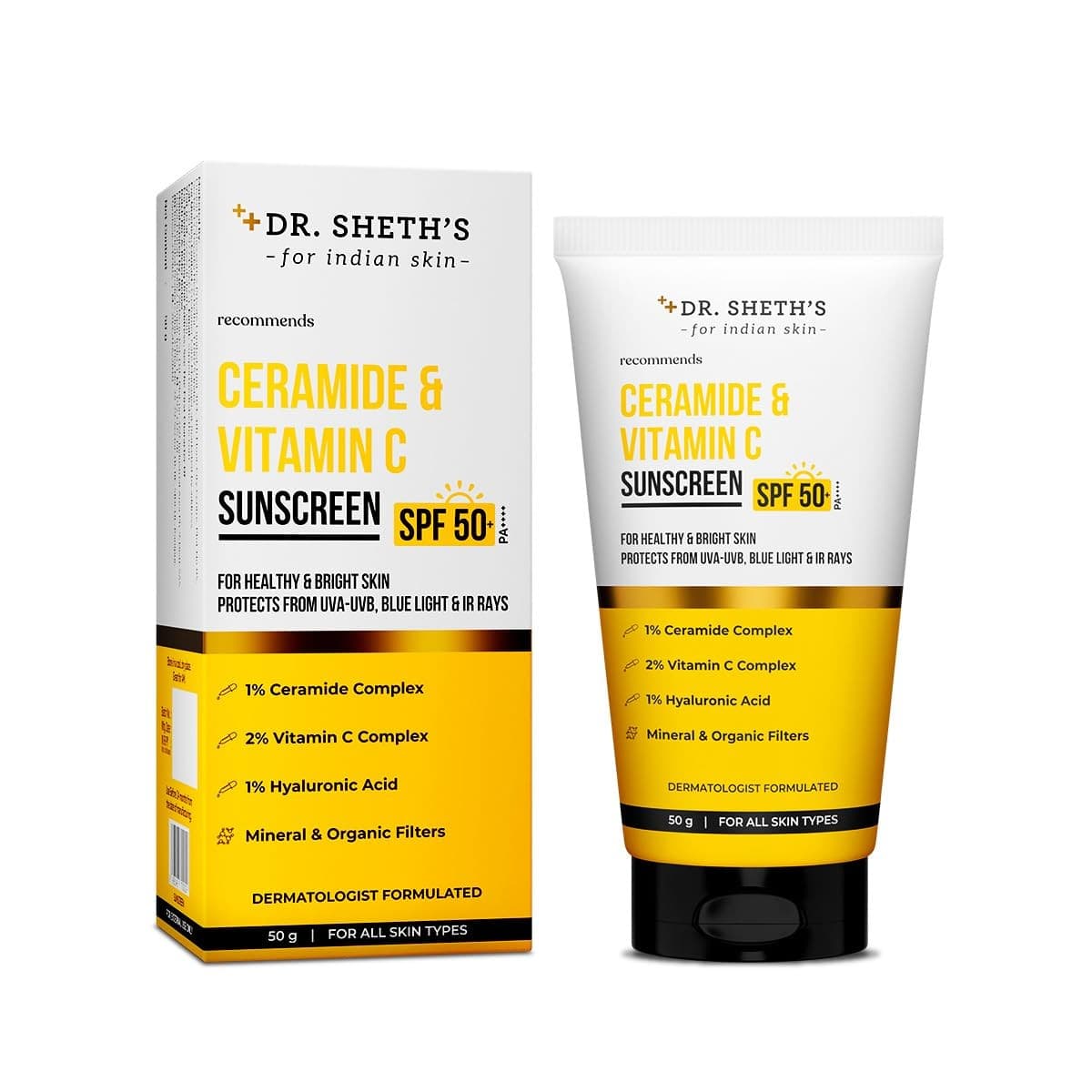
Dr. Sheth's: Best for all skin types, lightweight, quick-absorbing formula.
-
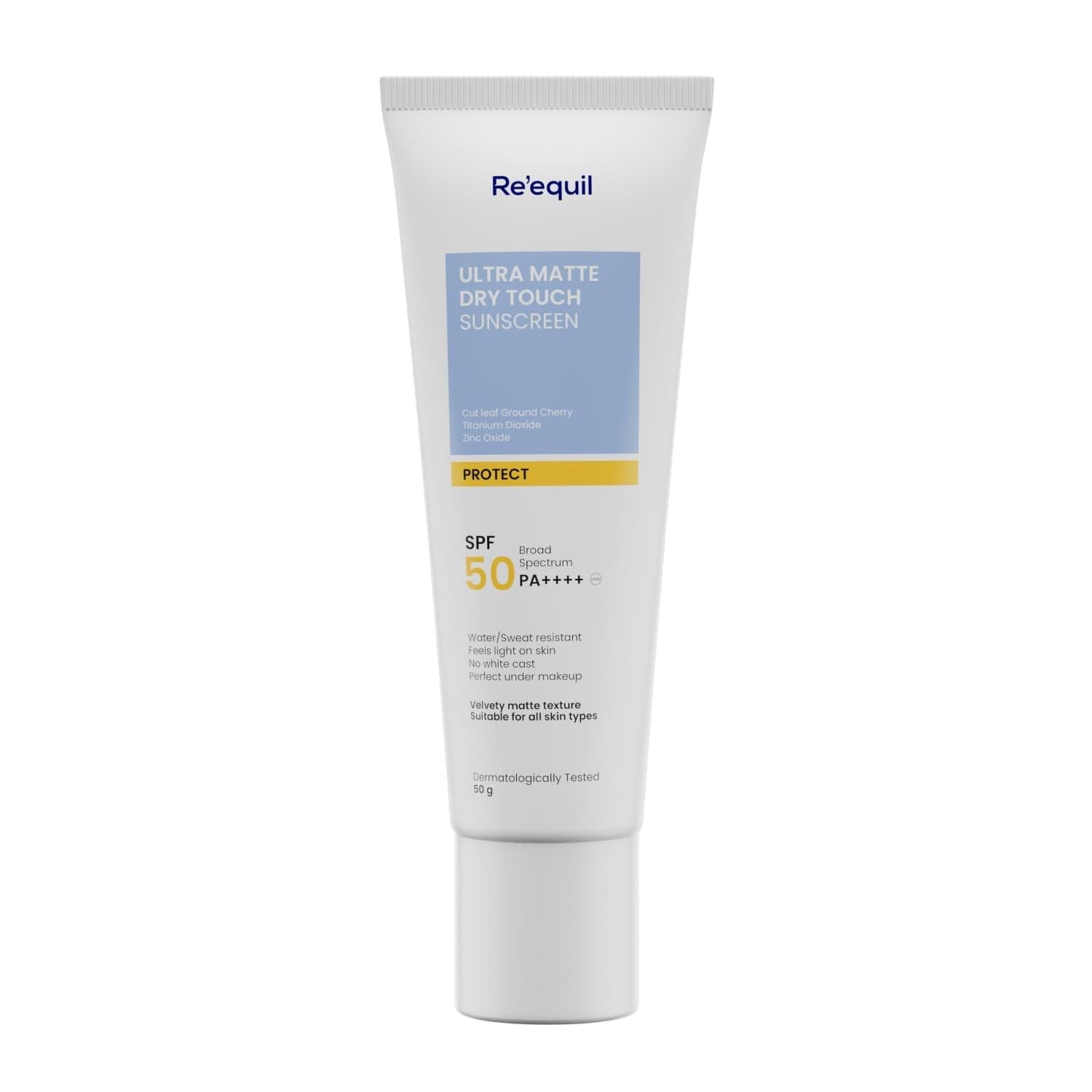
RE' EQUIL: Best for oily skin types, non-greasy with advanced UV rays.
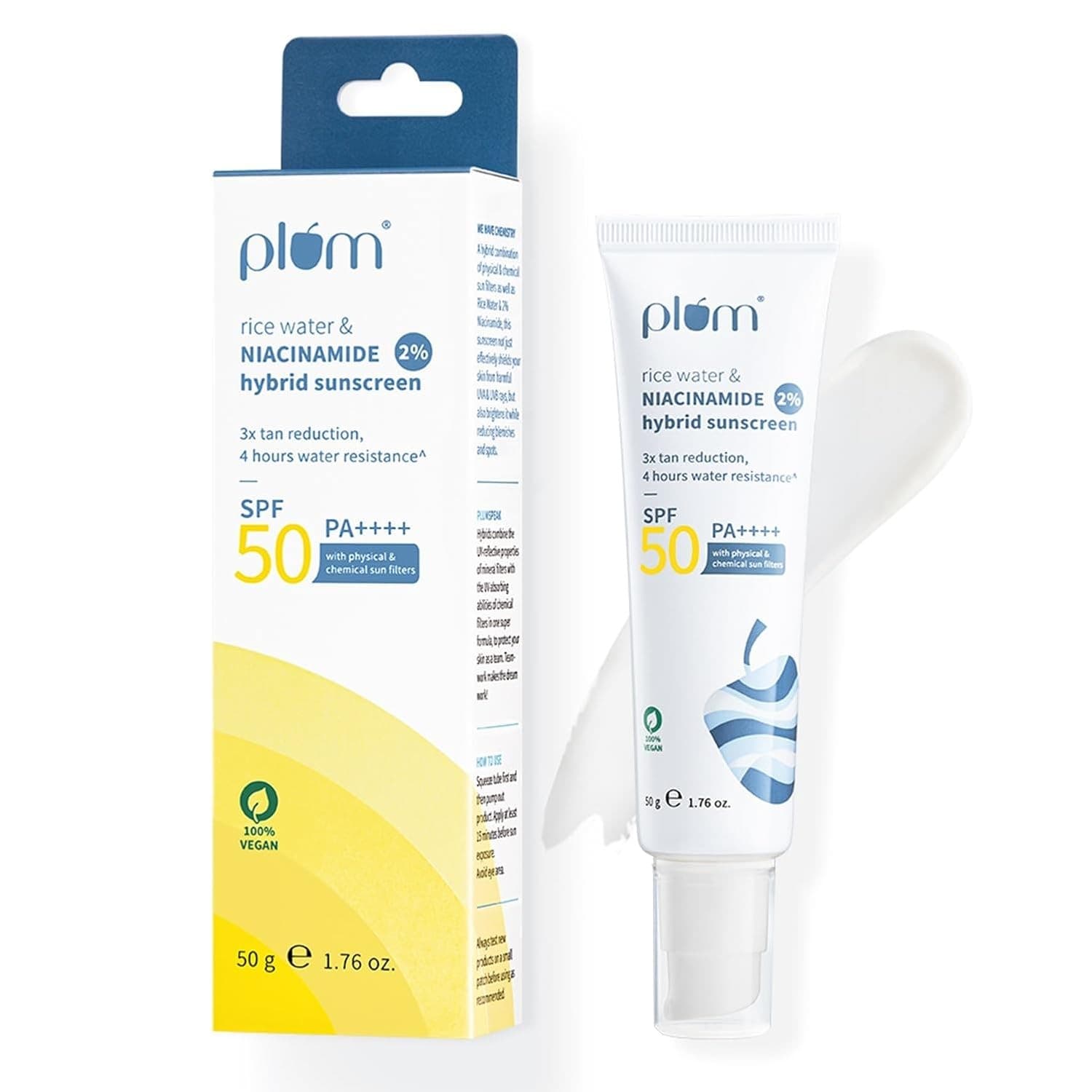
- Plum: High protection with niacinamide that brightens, hydrates, and defends your skin daily.
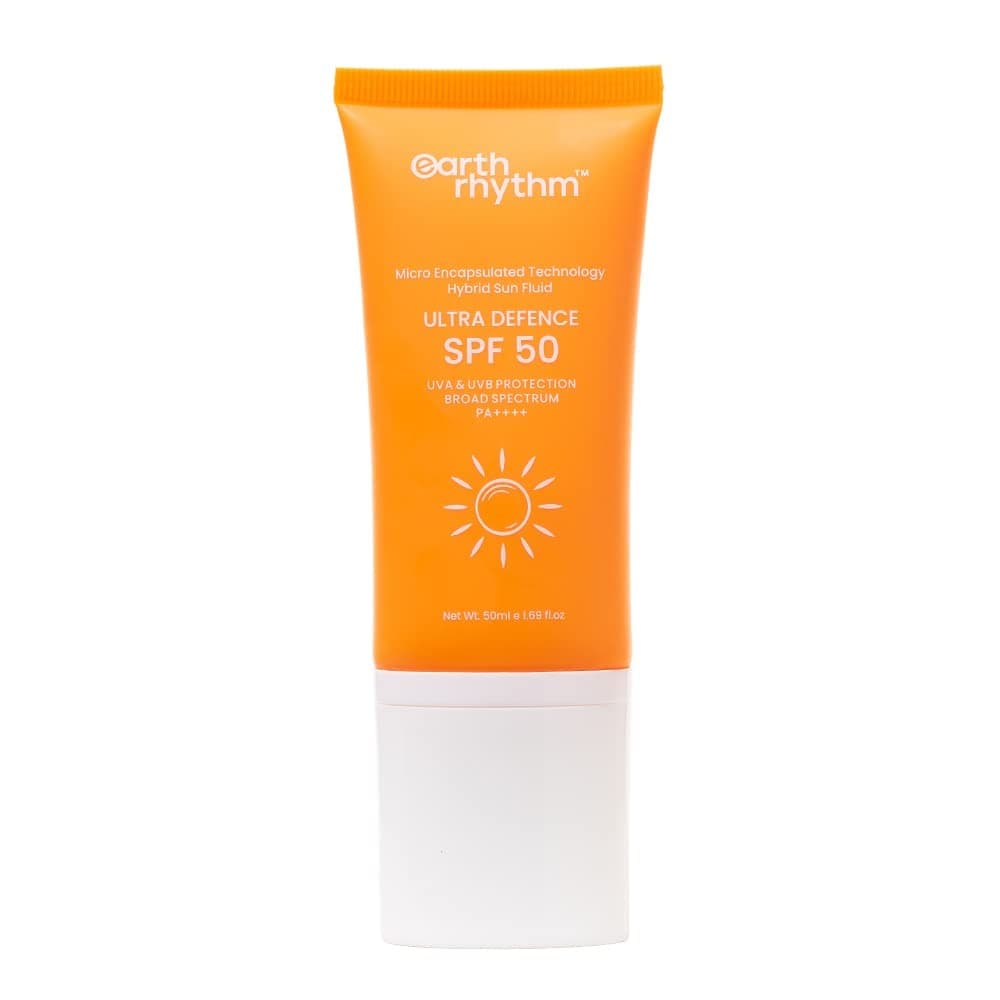
- Earth Rhythm: Lightweight, non-greasy protection that shields skin while keeping it healthy and calm.