Introduction
A good hair conditioner is a must-have in every hair care routine. It restores lost moisture, makes detangling easier, and improves overall texture after shampooing. For those with dryness or damage, the best conditioners for dry hair provide deep nourishment and long-lasting hydration. This makes conditioners a highly recommended choice for anyone searching for a “hair conditioner for frizzy hair” or “hair conditioner for dry hair.”
Organic hair conditioners go a step further as they’re made with plant-based, natural ingredients that hydrate and protect without harsh chemicals. They’re a perfect choice if you want a gentle, eco-friendly solution to keep your hair soft, shiny, and manageable, while also supporting a healthy scalp. They also work well as a unisex option, making them suitable as a “hair conditioner for women” and “hair conditioner for men.”
Hair conditioners function through multiple synergistic mechanisms to restore post-cleanse integrity. Shampoos elevate scalp pH to 8.0–9.0 (alkaline), opening hair cuticles and stripping lipid-protein complexes essential for hydration and elasticity. Conditioners restore optimal pH (4.5–5.5, acidic) through chelating agents and pH buffers, allowing cuticles to reclose and seal, reducing transepidermal water loss (TEWL) and electrostatic charge-induced frizz.
Understanding the Why and the How
A hair conditioner is essential for restoring moisture lost during cleansing. Conditioners use natural oils, plant extracts, and proteins that penetrate deep into the hair shaft, repairing and hydrating from within. They smooth the cuticle, reduce frizz, and make hair softer and easier to manage without sulfates, parabens, or silicones that weigh it down. This is why many users pair it with a “hair conditioner shampoo” routine for better results.
Hair cortex is made up of α-keratin proteins linked by disulphide bonds (cystine cross-links) and hydrogen bonds. Alkaline shampooing increases hygral swelling (20–30% diameter) and lipid-depletes cortical regions by weakening hydrogen bonds. Conditioning provides cationic polymers and fatty acids that electrostatically bind to negatively charged damaged sites, form hydrophobic barriers to prevent moisture evaporation, and support hydrogen bond reformation as pH normalises. Wheat and silk protein hydrolysates temporarily fill cortical voids, increasing elasticity15–25% and reducing combing breakage.
Key Benefits
-
Restores moisture for soft, shiny, and manageable hair
-
Smooths the cuticle to reduce frizz and add silkiness
-
Soothes the scalp with natural ingredients like aloe vera and chamomile
-
Helps detangle and reduces breakage during styling
-
Safer, eco-friendly option free from harsh chemicals
Ideal for people dealing with frizz, dryness, or rough texture based on GlamGuider hair conditioner reviews.
How to Use
-
Apply conditioner to damp hair after shampooing, focusing on mid-lengths and ends.
-
Massage gently and leave for 2–5 minutes.
-
Rinse with lukewarm or cool water to lock in moisture.
-
Follow with styling products, or use a leave-in conditioner/hair oil for extra hydration.
GlamGuider recommends consistent use for noticeable improvement in frizz and dryness.
By minimising cuticle opening, cool water (below 40°C) helps cationic conditioners bond to keratin. Hydrogen bonding disruption in warm water above 45°C reduces conditioner substantivity by 20–30%. In the 2–5 minute window, water molecules swell the cortex slightly, allowing protein and oil diffusion into the medulla and damaged cortical regions without porosity or colour fade.
Tips for Choosing the Right Conditioner
These are the same criteria we use while creating GlamGuider hair conditioner recommendations.
-
Dry hair → Look for coconut oil, shea butter, or aloe vera.
-
Damaged hair → Choose formulas with argan oil or jojoba oil for repair.
-
Fine hair → Go for lightweight, volumizing formulas.
-
Always check for sulfate-free, paraben-free, and silicone-free labels.
-
Opt for brands with sustainable packaging if eco-conscious.
Key Ingredients to Know
The effectiveness of a conditioner comes from a blend of moisturizing, strengthening, and protective ingredients that keep hair smooth, soft, and healthy.
-
Water (Aqua): The base of most conditioners, it provides hydration and helps distribute other active ingredients evenly.
-
Cationic Surfactants: Conditioning agents that smooth the hair cuticle, reduce frizz, and improve manageability.
Examples: Behentrimonium Chloride, Cetrimonium Chloride. -
Natural Oils: Rich in nutrients, they deeply moisturize, protect, and restore shine.
Examples: Argan Oil, Jojoba Oil, Pomegranate Oil. -
Butters: Packed with fatty acids and vitamins, they soften and nourish dry, damaged hair.
Examples: Shea Butter, Cupuacu Butter. -
Proteins: Strengthen weak strands, repair damage, and improve elasticity to reduce breakage.
Examples: Wheat Protein, Oat Protein. -
Humectants: Attract and retain moisture, keeping hair hydrated and smooth.
Examples: Glycerin, Propanediol. -
Herbal Extracts: Plant-based extracts soothe the scalp, fight inflammation, and provide extra nourishment.
Examples: Aloe Vera Extract, Cica Extract.
Ingredient Breakdown by Hair Condition
- Oily Scalp: Anionic surfactants (SLS/SLES), Zinc Pyrithione, Salicylic acid, Tea tree oil. Strong anionic surfactants emulsify excess sebum and remove lipid buildup from the scalp. Zinc pyrithione controls Malassezia yeast growth, while salicylic acid exfoliates dead cells, improving follicle clarity and reducing oil accumulation.
- Dry Scalp: Coco-glucoside, Coconut oil, Aloe vera, Ceramides, Glycerin. Gentle non-ionic surfactants cleanse without stripping natural lipids. Humectants like glycerin attract moisture, aloe vera soothes irritation, and ceramides restore the lipid barrier that helps maintain scalp hydration and reduce transepidermal water loss.
- Sensitive / Inflamed Scalp: Aloe vera, Centella asiatica, Bisabolol, Chamomile extract. Soothing botanical extracts reduce scalp inflammation and irritation. Centella triterpenes support barrier repair, bisabolol calms redness, and aloe polysaccharides form a protective hydrating film that improves scalp comfort.
- Dandruff-Prone Scalp: Ketoconazole, Zinc Pyrithione, Neem extract, Tea tree oil. Antifungal ingredients target Malassezia yeast responsible for dandruff and flaking. Ketoconazole and zinc pyrithione inhibit fungal growth, while neem and tea tree oil provide antimicrobial support that helps restore scalp microbiome balance.
- Hair Fall / Weak Roots: Keratin, Biotin, Caffeine, Bhringraj extract, Zinc. Strengthening and stimulating ingredients support healthier follicles. Keratin improves hair fiber resilience, biotin supports keratin synthesis, and caffeine may stimulate follicular metabolism while botanical extracts enhance scalp circulation.
Do's & Don’ts
Do's
-
Pick the right formula: Hydrating for dry hair, volumizing for fine hair, strengthening for damaged hair.
-
Apply mainly to mid-lengths and ends to keep roots light while moisturizing where it’s needed most.
-
Be consistent: Regular use improves hydration, smoothness, and overall hair texture.
-
Add extra care if needed by using a leave-in conditioner for very dry or damaged strands.
Dont's
- Don’t overapply, as too much product can weigh hair down, especially if fine or oily.
- Don’t apply to the scalp (unless needed), since it may cause buildup; focus on the ends instead.
- Don’t rinse with hot water, which strips moisture and causes frizz. Use lukewarm or cool water to seal the cuticle and lock in shine.
- Conditioner shouldn't stay on hair for more than 10–15 minutes without heat. Osmotic damage can result from conditioning without heat for more than 30 minutes. over-hydration, swelling the cortex beyond natural elasticity limits and resulting in permanent porosity and damage, especially in fine or previously chemically treated hair.
Glam Wrap-Up: Final Tips & Takeaway
The best hair conditioner is one that hydrates, nourishes, and protects without weighing hair down. Look for formulas with natural oils, butters, and proteins to restore moisture, improve texture, and keep your scalp healthy. Whether your hair is dry, damaged, or fine, the right conditioner can make it softer, shinier, and easier to manage. With regular use, you’ll enjoy hair that feels healthy, smooth, and free from buildup the perfect finish to your hair care routine. This applies to anyone searching for a high-performing hair conditioner for women or men.
At GlamGuider, our team conducts ingredient analysis, authentic reviews, and user feedback to shortlist the best hair conditioner recommendations. Are you looking for the best hair conditioner for daily use? Here are the top-reviewed and most recommended hair conditioners loved by our team These picks consistently rank high in GlamGuider hair conditioner review:
-
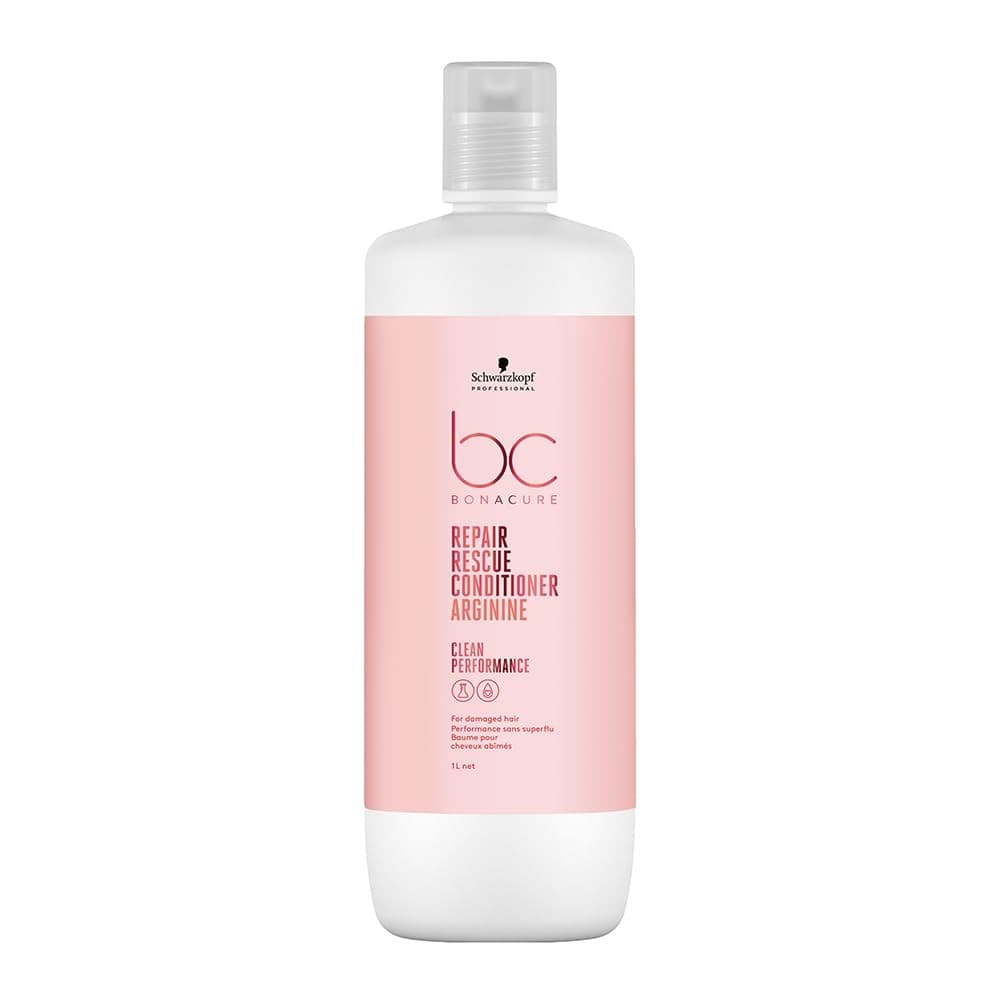
Schwarzkopf Hair Conditioner – A strengthening conditioner that helps repair damage, improve hair texture, and enhance shine.
-
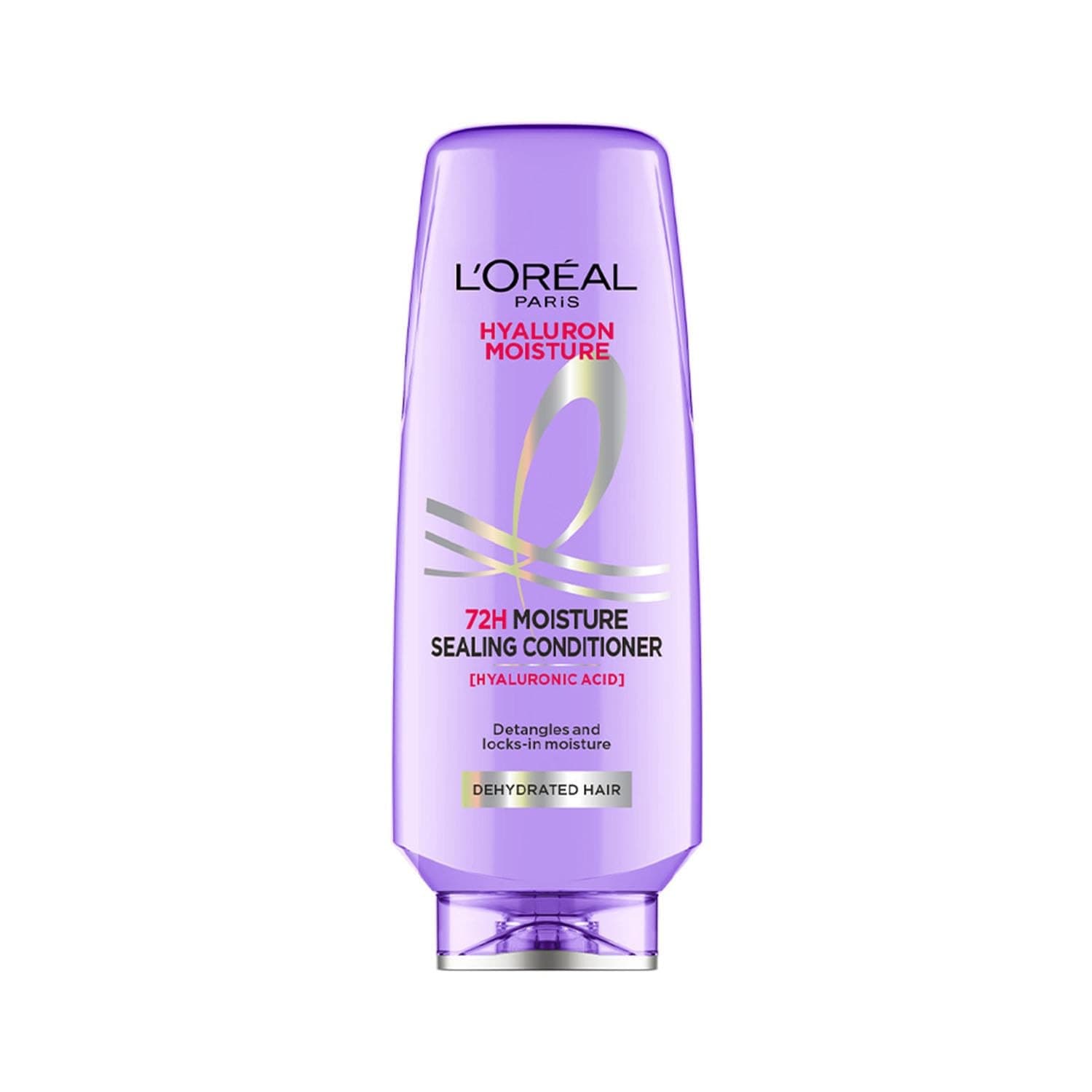
L'Oreal Paris: Deeply nourishes and smoothens hair, leaving it soft, shiny, and easy to manage every day.
-
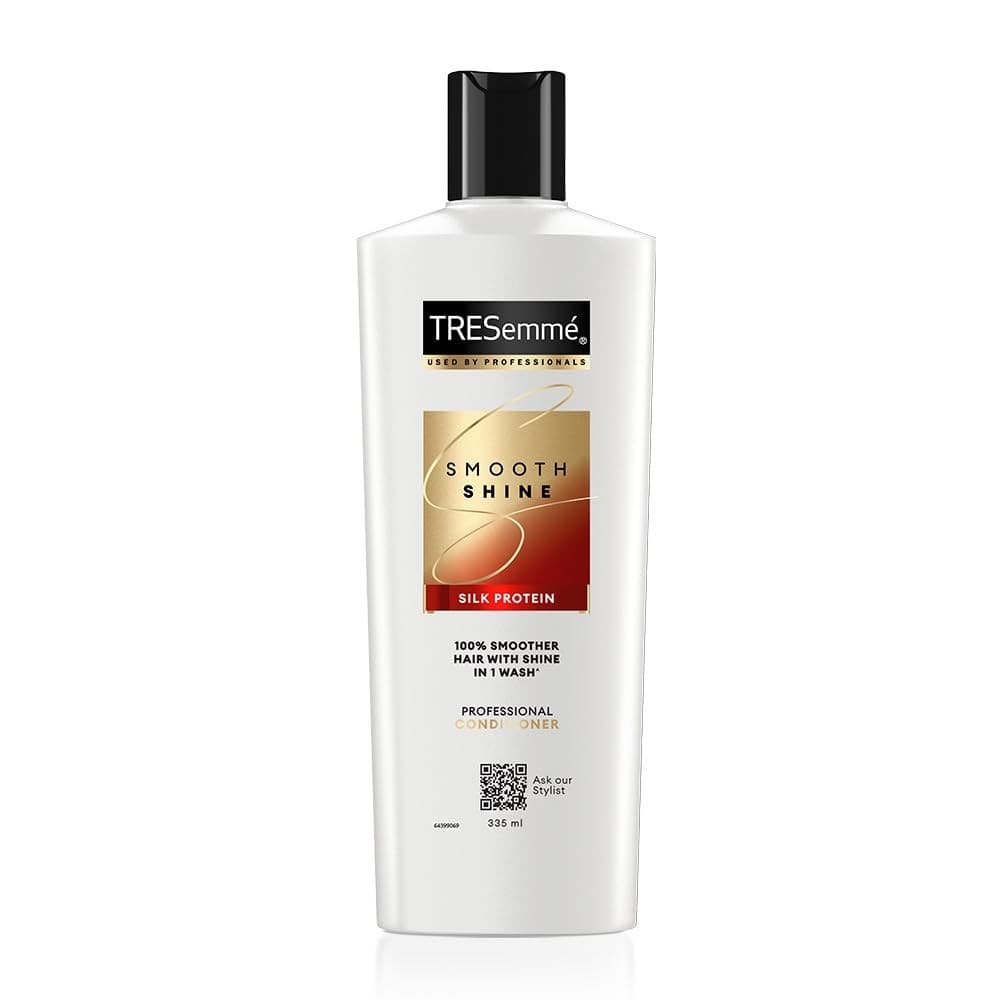
TRESemme: Delivers salon-smooth, nourished hair with long-lasting softness, shine, and frizz control.
-
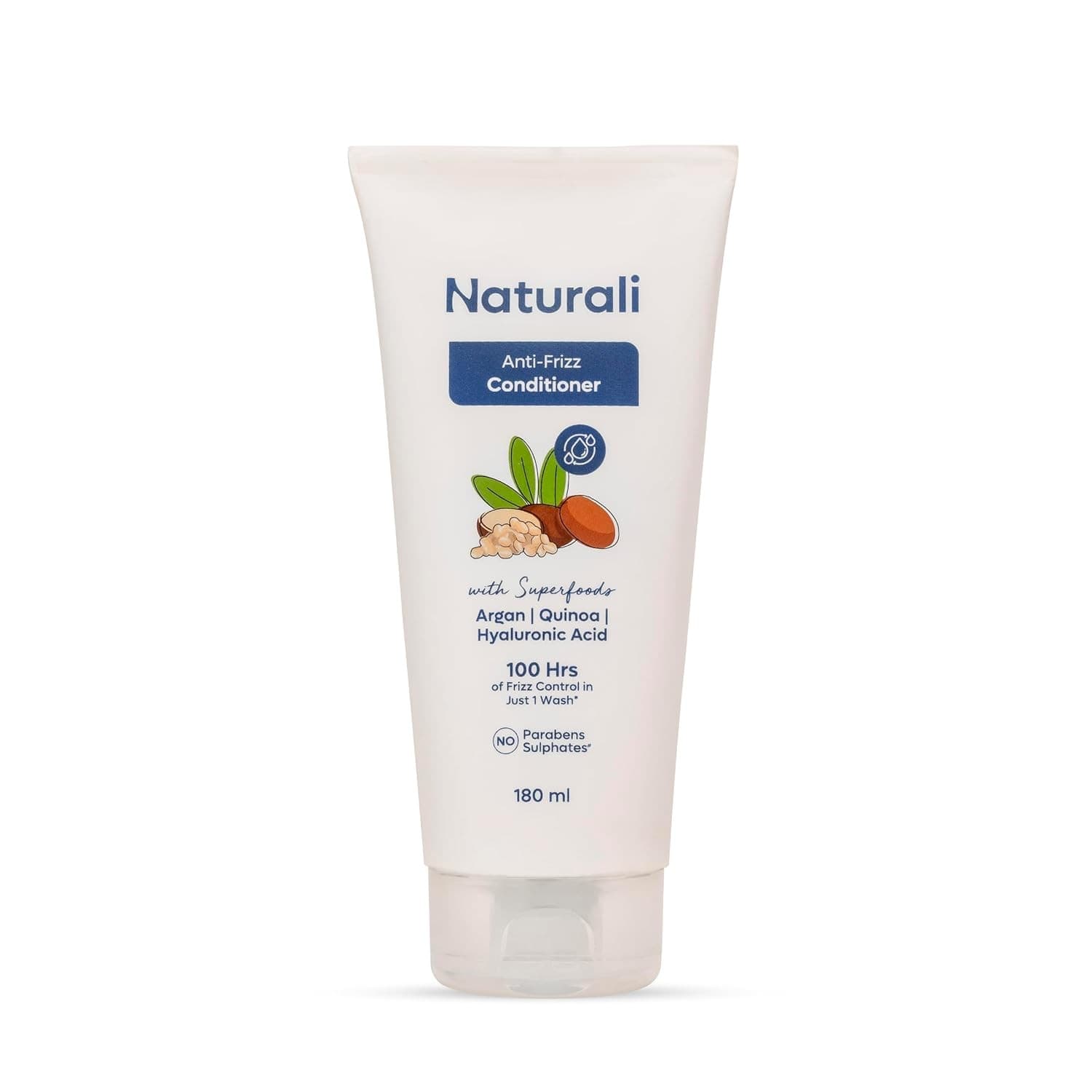
Naturali: Deeply nourishes and seals smoothness for soft, frizz-free, manageable hair.