Introduction
Organic hair color is a natural alternative to conventional hair dyes, providing a chemical-free way to achieve vibrant and long-lasting color. Unlike traditional hair dyes, which may contain ammonia, parabens, or synthetic chemicals, organic hair colors are made from plant-based ingredients that gently color the hair while nourishing it. This makes organic formulas a preferred choice among GlamGuider users looking for safe, top-rated hair color brands. These formulas are perfect for those seeking a more eco-friendly and scalp-friendly solution for coloring their hair.
The global organic hair color market reflects growing consumer awareness of harmful chemical exposure through scalp absorption. Plant-based colorants, including henna (lawsone), indigo (indigotin), and natural antioxidant compounds, offer superior biodegradability compared to synthetic azo dyes and PPD (para-phenylenediamine), reducing both dermatological sensitization and environmental bioaccumulation.
Understanding the Why and the How
Organic hair color is infused with plant-based pigments, natural oils, and herbs to dye the hair. These colors penetrate the hair shaft to deposit pigment without harsh chemicals. Ingredients like henna, indigo, and other botanical extracts provide natural color while conditioning the hair. Unlike chemical dyes, organic color is gentler and more suitable for people searching for hair colour for women and hair colour for men. They are suitable for sensitive skin and damaged hair.
Hair has three layers: cuticle, cortex, and medulla. Chemical dyes use ammonia (pH 8.5–9.5) to raise hair pH, open the cuticle, and allow oxidative dyes (PPD, para-aminophenol) to penetrate the cortex. Organic dyes use milder alkali (pH 7.5–8.0); plant pigments like henna and indigo bond to keratin via hydrogen bonding, making them semi-permanent and less damaging.
Benefits:
- Organic hair color is free from ammonia, parabens, and sulfates, making it much less likely to cause irritation or damage to the scalp and hair.
- Organic hair colors often contain oils and plant ingredients that hydrate hair while coloring. They have conditioning ingredients like cationic surfactants (for example, behentrimonium methosulfate) that stick to damaged hair, helping to even out the hair's surface
- Many organic hair colors include oils and plant-based ingredients that hydrate the hair while coloring it, improving overall health and hair texture.
- With proper care, organic hair color can last several weeks, providing a natural, vibrant color that doesn’t fade quickly.
- Most organic hair colors come in eco-friendly packaging and use sustainably sourced ingredients, making them a more environmentally conscious choice.
- Organic hair colors are a safer alternative for sensitive skin or scalp conditions like eczema or psoriasis, as they avoid harsh chemicals.
How to Use:
-
Mix the organic hair color powder (e.g., henna or indigo) with water or a carrier oil (such as coconut or olive) to form a smooth paste. To make correct proportions follow the instructions given on the product
-
Wear gloves to apply the paste to your dry, clean hair, starting from the roots and working your way down to the ends. Make sure the hair is fully coated.
-
Let the color sit for approx 1-2 hours) to ensure it fully sets into the hair. You may leave it on longer to get a dark color.
-
Rinse the color out using lukewarm water until the water runs clear. After washing out the color, use a mild and sulfate-free hair cleanser shampoo post this.
-
Follow up with a best hair conditioner to restore hair moisture, because natural dyes can leave the hair slightly dry.
Tips for Choosing the Right Product:
- Organic hair colors often provide a limited range of shades and typically offer natural tones like brown, red, or black. Ensure the product you choose can achieve the shade you desire.
- Look for brands that list all the ingredients clearly, and ensure no synthetic additives or chemicals are included.
- If you have dry or damaged hair, opt for an organic hair color that includes conditioning ingredients like coconut oil or aloe vera to keep your hair healthy during the coloring process.
- Henna and indigo are the most common plant-based coloring agents. If you’re seeking a natural experience, choose a product that uses these ingredients.
- For price-conscious shoppers, checking the hair colour price comparison on GlamGuider can help you choose the best value.
Key Ingredients to Know
-
Henna: A well-known natural dye, henna imparts reddish-brown hues- strengthens and nourishes the hair.
-
Indigo: Often used alongside henna, indigo provides darker tones, such as black or dark brown, when mixed with henna.
-
Amla Powder: Rich in Vitamin C, amla helps promote hair health, enhance hair growth, and prevent premature graying.
-
Chamomile: Known for its soothing properties, chamomile can help lighten hair and add shine without irritating it.
-
Coconut Oil/Olive Oil: These hair oils are often included to nourish and hydrate the hair, keeping it soft and smooth during coloring process.
Ingredient Breakdown by Hair Condition
-
Dry/Damaged Hair: Keratin, Shea butter, Coconut oil, Glycerin, Ceramides (C 1, C6, C12, EOP). Keratin bonds are disulfide. Shea butter's stearic acid seals the cuticle. Cortex-hydrating glycerin. Membranes are repaired by ceramides.
-
Frizzy/Porous Hair: Jojoba oil, Dimethicone, Argan oil, PQ-10, Silicone elastomers. Dimethicone (polydimethylsiloxane) coats the cuticle, with a 30% moisture loss reduction. PQ-10 smooths raised cuticles by binding to negatively charged damaged sites.
-
Curly Hair: Contains glycerin, oils, panthenol, wheat, silk hydrolysates, and hydrating aloe vera polysaccharide film. Panthenol strengthens the cortex. Hydrolyses coat the cuticle to define curls and reduce frizz.
- Sensitive Scalp: The polysaccharides and salicylic acid in aloe vera reduce Langerhans cell activation. Chamomile bisabolol reduces IL-6 (interleukin-6) and TNF-α (tumour necrosis factor-alpha) inflammatory markers.
Do's & Don’ts
Do’s:
-
Make sure you're not allergic before using organic hair colour by patch testing.
-
Organic hair color on clean, dry hair for better absorption and more even coverage.
-
Application is more controlled and thorough when done in sections.
-
Allow the color to sit for the recommended time to achieve the desired shade
- Read GlamGuider reviews to find the best professional hair dye brands for Indian hair
Dont's:
-
Wet hair dilutes organic hair color and affects result
-
Due to formulation differences, mixing organic hair color brands may yield unpredictable result
-
With henna-based colors, don't expect a quick change. It may take several applications to reach your desired shade.
-
Chemical hair dyes may strip organic hair color, so don't use them right away.
Glam Wrap-Up: Final Tips & Takeaway
Organic hair color provides a natural, sustainable way to color your hair while promoting its overall health and wellness. Free from harsh chemicals and full of nourishing plant-based ingredients, it’s an ideal choice for those with sensitive scalps, damaged hair, or a preference for eco-friendly products. While it may require more patience and time to get the desired results, the long-term benefits of healthier hair and a chemical-free coloring experience are well worth it. Whether you’re looking for a subtle change or a more vibrant hue, organic hair color offers a gentle and effective way to color your hair naturally. GlamGuider analyzes ingredient lists, safety profiles, user reviews, and brand transparency to help you discover the top rated hair color brands available today.
Our cosmetic chemistry team recommends a scalp sensitivity test before use, especially if you have dermatitis, psoriasis, or hair dye allergies. Understanding your hair's porosity, elasticity, and baseline protein content through pH, tensile strength, and protein loss tests helps you choose ingredients and achieve optimal colour results.
Are you looking for a daily Hair Color that works wonders? Here are a few top Hair Color products, according to user reviews, loved by our team:
-
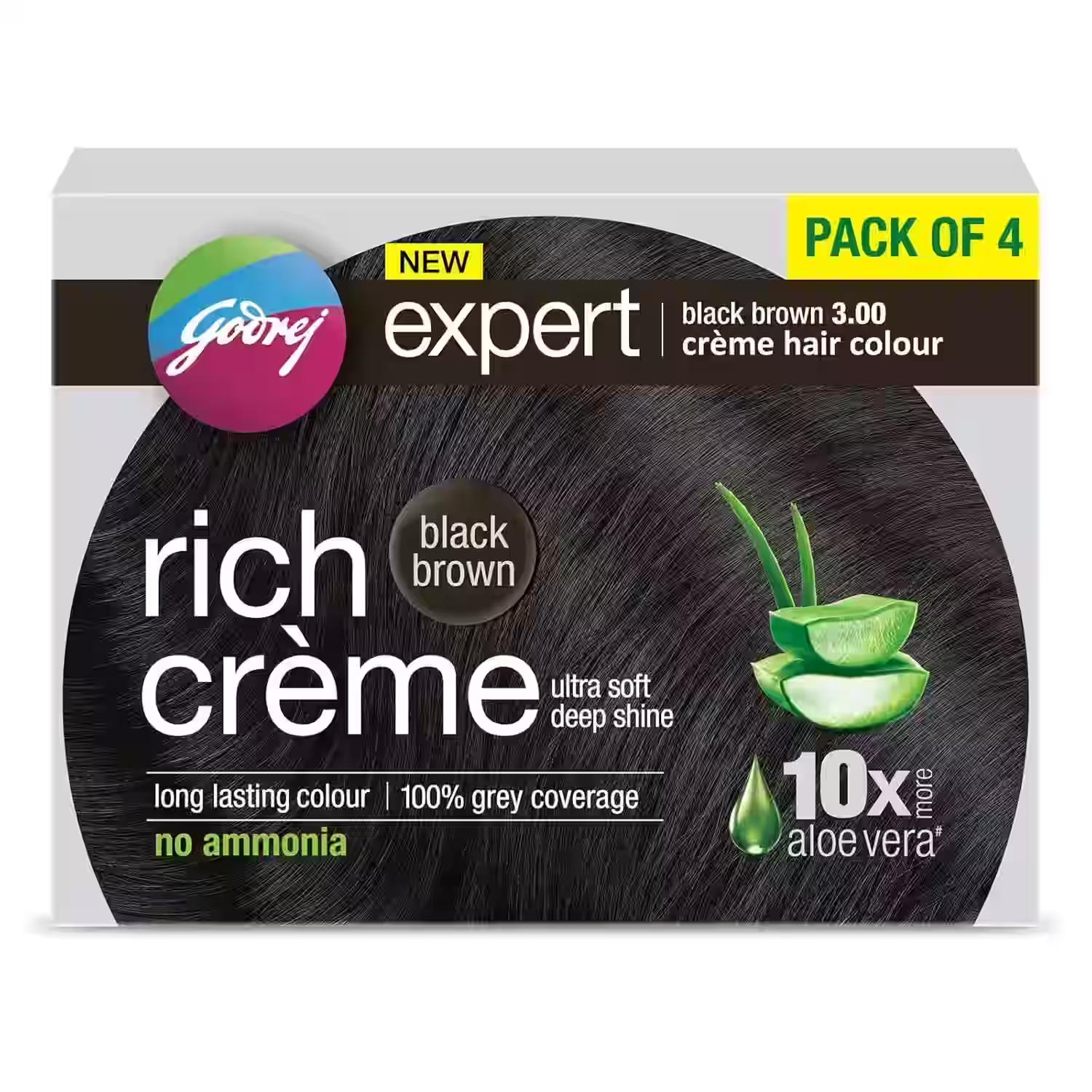
Godrej - An easy-to-use hair color that provides rich, natural-looking coverage while helping conceal greys effectively.
-
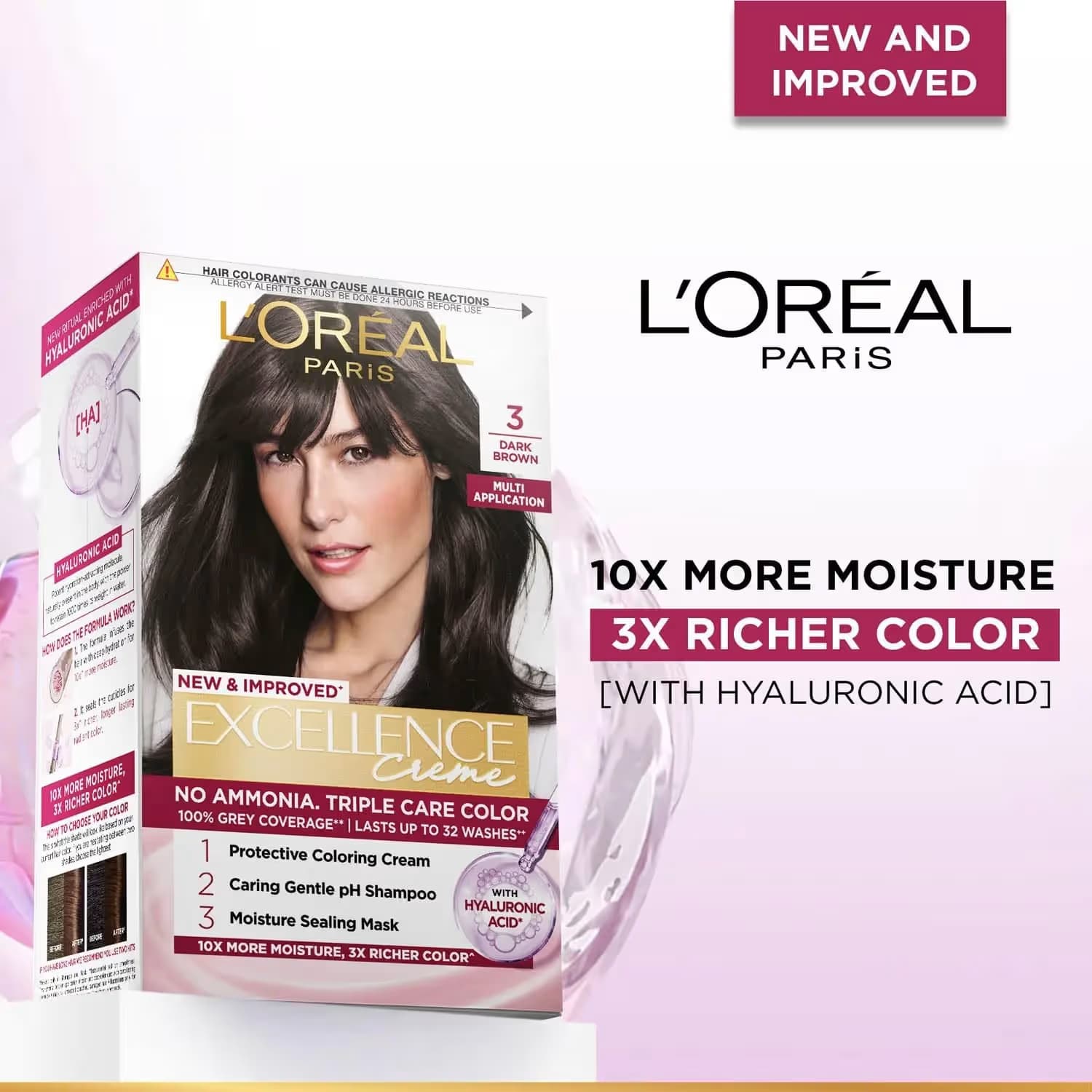
L'Oréal Paris - Long-lasting hair colour that delivers rich, vibrant shades with excellent grey coverage and nourishes hair for a smooth, glossy finish.
-
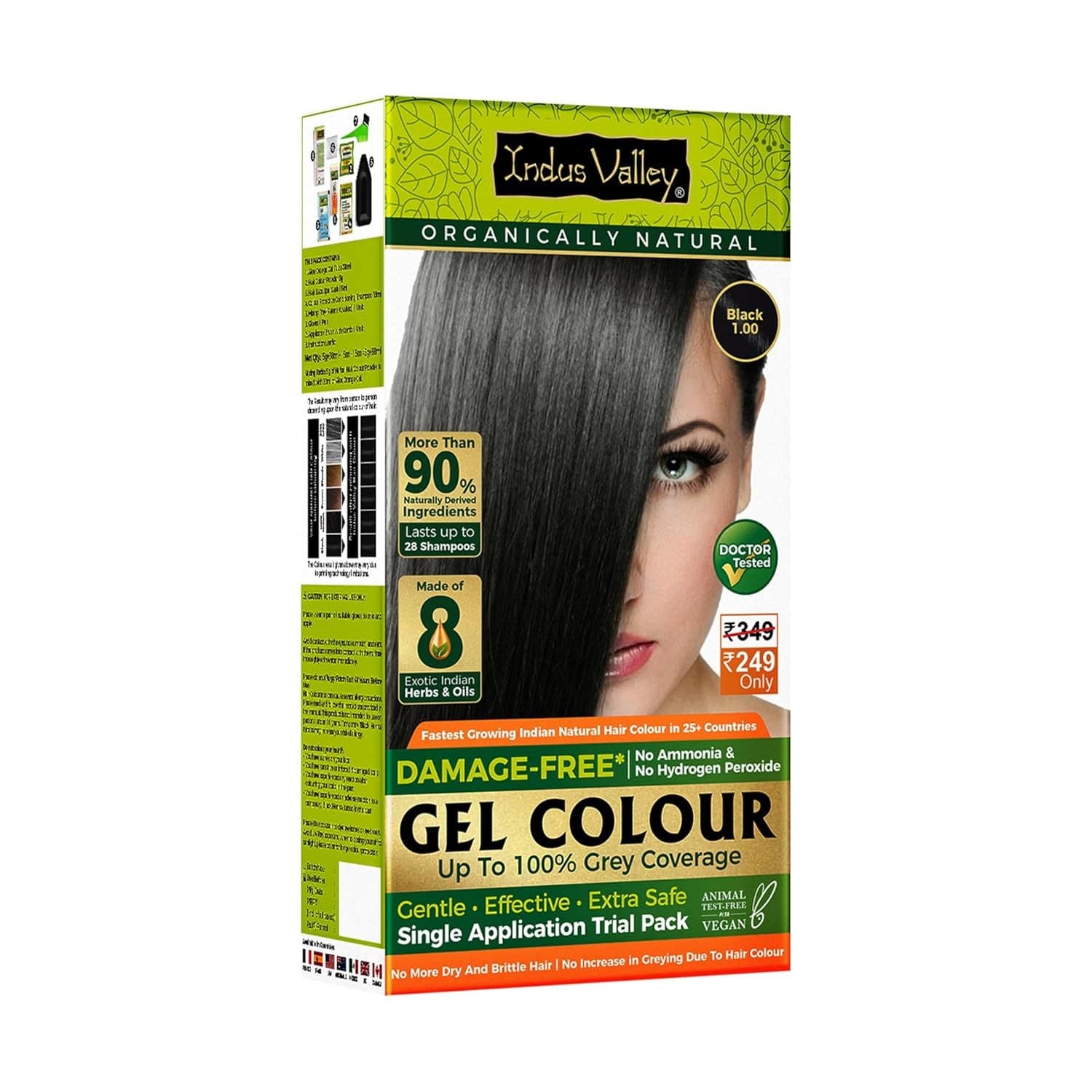
Indus Valley - Ammonia-free herbal hair colour enriched with natural ingredients that provides rich, long-lasting colour while nourishing and protecting your hair.
-
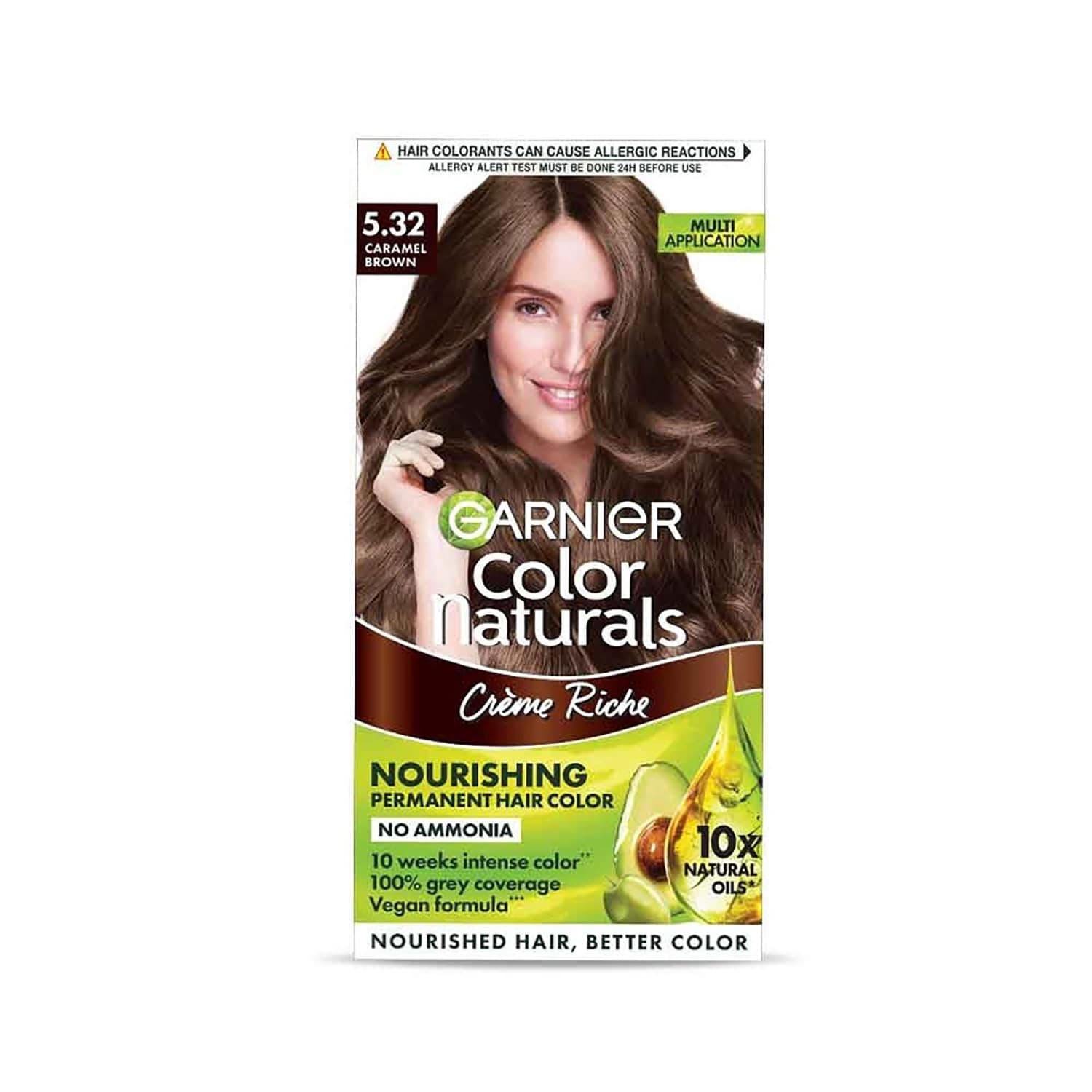
Garnier - A nourishing hair color formula that delivers vibrant, long-lasting color with a smooth and shiny finish.