Introduction
Few makeup products are as iconic as lipstick. A single swipe can brighten your face, enhance your features, and instantly boost confidence. From everyday nude shades to bold reds, lipstick remains a beauty essential across generations. Finding the perfect lipstick involves more than choosing a color you like. Understanding different lipstick types, ingredients, finishes, and application methods can help you achieve the best results.
In this guide, Glamguider breaks down everything you need to know about lipstick, including its types, ingredients, how to choose the right shade, and expert application tips.
What Is a Lipstick?
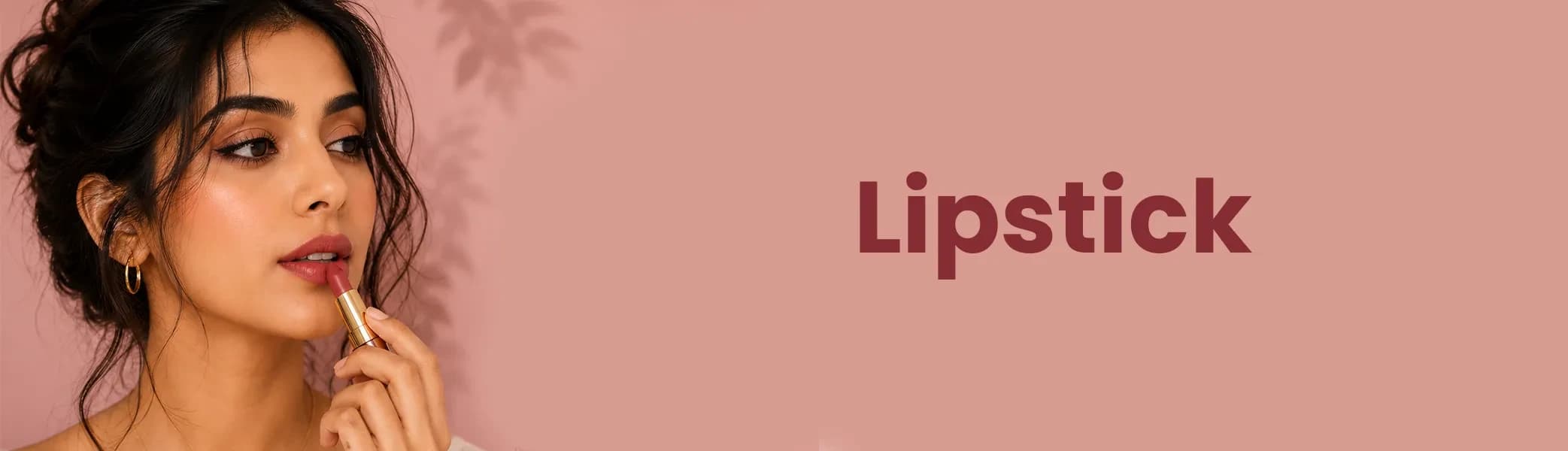
Lipstick is a cosmetic product designed to add color, definition and texture to the lips. It is made using a blend of pigments, waxes, oils, emollients, and other ingredients that help deliver color. Modern lipsticks are available in various finishes, including matte, satin, glossy, cream, and transfer-proof formulas.
Understanding the Why and the How
Types of Lipstick
● Matte Lipstick: Offers intense pigmentation with a shine-free finish.
● Cream Lipstick: Contains moisturizing ingredients that provide rich color and a comfortable feel.
● Satin Lipstick: Delivers a soft sheen while maintaining hydration and comfort.
● Glossy Lipstick: Creates a shiny finish that makes lips appear fuller and dewy.
● Liquid Lipstick: Comes with a wand applicator and dries down into a long-lasting finish.
● Transfer-Proof Lipstick: Resists smudging and transferring throughout the day.
How to Choose Lipstick Based on Skin Colour
● Fair Skin Tone: Soft pinks, peach shades, rose tones, coral colors and blue-based reds
● Medium Skin Tone: Mauve shades, warm pinks, berry tones, terracotta shades, brick reds
● Wheatish Skin Tone: Rust shades, coral reds, cinnamon browns, plum colors, rose pinks
● Deep Skin Tone: Wine shades, burgundy colors, rich reds, chocolate browns, deep berry hues
How to Apply Lipstick Flawlessly
Step 1: Prep Your Lips
Exfoliate gently to remove dead skin and apply a hydrating lip balm.
Step 2: Let the Balm Absorb
Wait a few minutes and blot away excess product.
Step 3: Outline with Lip Liner
Use a lip liner that matches your lipstick shade to define the lips.
Step 4: Apply Lipstick
Apply directly from the bullet or use a lip brush for greater precision.
Step 5: Blot and Reapply
Blot with a tissue and add another thin layer to improve longevity.
Step 6: Perfect the Edges
Use a small concealer brush around the lip line for a clean, professional finish.
Key Ingredients to Know
Core Ingredients in a Lipstick
- Beeswax: Provides structure and helps the lipstick maintain its shape while offering a smooth application.
- Carnauba Wax: Adds firmness, durability, and a glossy finish to lipstick formulations.
- Candelilla Wax: A plant-based wax that improves texture and helps lipstick glide smoothly on the lips.
- Castor Oil: Enhances shine, pigment dispersion, and provides moisturizing benefits.
- Jojoba Oil: Nourishes and hydrates the lips by improving the lipstick's spreadability.
- Coconut Oil: Helps keep lips soft and moisturized by adding a creamy texture.
- Shea Butter: Provides deep hydration and helps protect lips from dryness and cracking.
- Mineral Oil: Creates a protective barrier that locks in moisture and improves product consistency.
- Iron Oxides: Mineral-based pigments that provide a wide range of lipstick shades.
- Mica: Gives lipstick a subtle shimmer effect.
- Vitamin E: Acts as an antioxidant that helps protect and condition the lips.
- Preservatives: Prevents microbial growth and helps extend the product's shelf life.
- Fragrance & Flavoring Agents: Enhances the sensory experience by adding pleasant scents or tastes.
Harmful Ingredients in a Lipstick.
- Parabens: Used as preservatives, parabens have raised concerns regarding potential hormone disruption.
- Synthetic Fragrances: These cause irritation or allergic reactions in sensitive individuals.
- Heavy Metal Contamination: Trace amounts of heavy metals can occur in pigments.
- Formaldehyde-Releasing Preservatives: Some preservatives release small amounts of formaldehyde over time and may irritate sensitive skin.
- Artificial Dyes: Synthetic colorants trigger irritation in people with sensitive lips.
Do's & Don’ts
Do's
- Exfoliate your lips regularly.
- Moisturize before lipstick application.
- Choose shades that complement your skintone.
- Use lip liner for precise definition.
- Remove lipstick thoroughly before sleeping.
- Store lipsticks away from direct sunlight.
Don'ts
- Don't apply lipstick on cracked or flaky lips.
- Don't share lipstick products.
- Don't use expired lipsticks.
- Don't skip lip preparation.
- Don't repeatedly layer thick coats throughout the day.
- Don't ignore signs of irritation or allergic reactions.
Glam Wrap-Up: Final Tips & Takeaway
Lipstick is a makeup product that can instantly elevate your look. By understanding different lipstick types, choosing shades that complement your skin tone, paying attention to ingredients, and mastering application techniques, you can achieve beautiful, healthy-looking lips every day.
At Glamguider, we make beauty choices easier with expert-backed guides, ingredient-focused insights, and practical makeup tips. Explore Glamguider for trusted beauty advice and discover the perfect lipstick that matches your style, skin tone, and lifestyle.
Here are the top lipsticks recommended by our experts for rich color, comfortable wear, and beautifully defined lips.
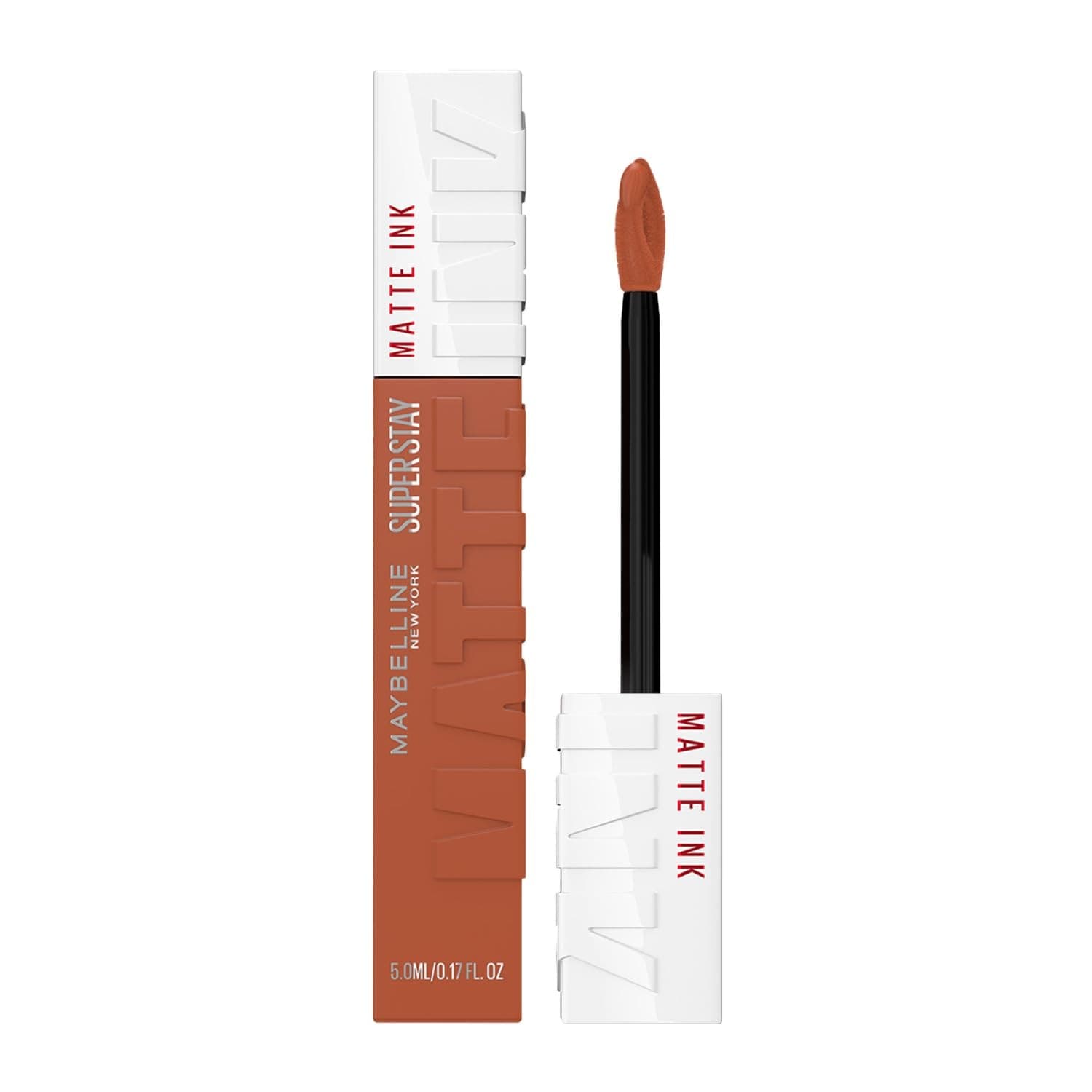
- Maybelline New York – A highly pigmented liquid lipstick that delivers bold matte color with long-lasting, transfer-resistant wear.
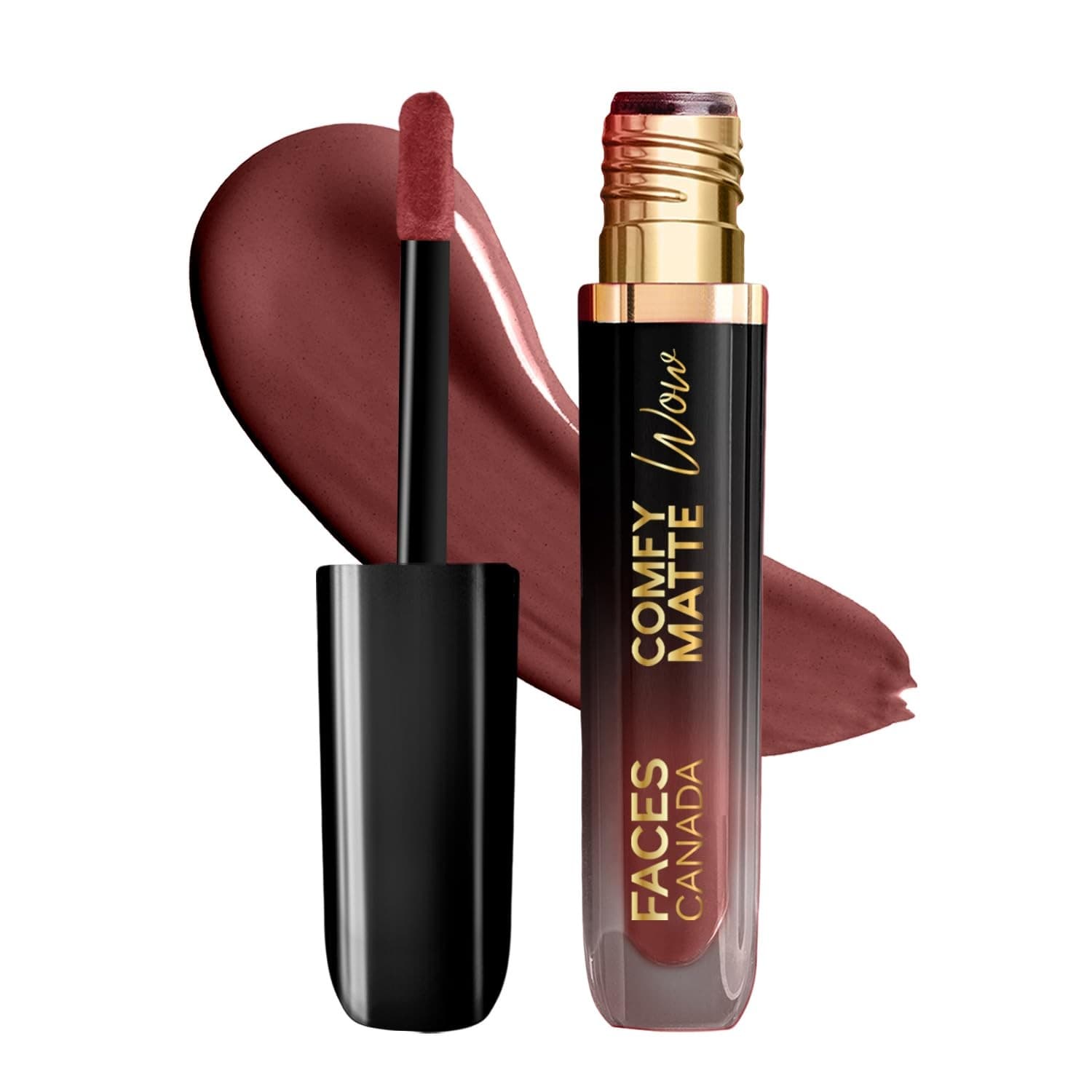
- FACES CANADA – A lightweight liquid lipstick that offers rich color payoff and a comfortable matte finish.
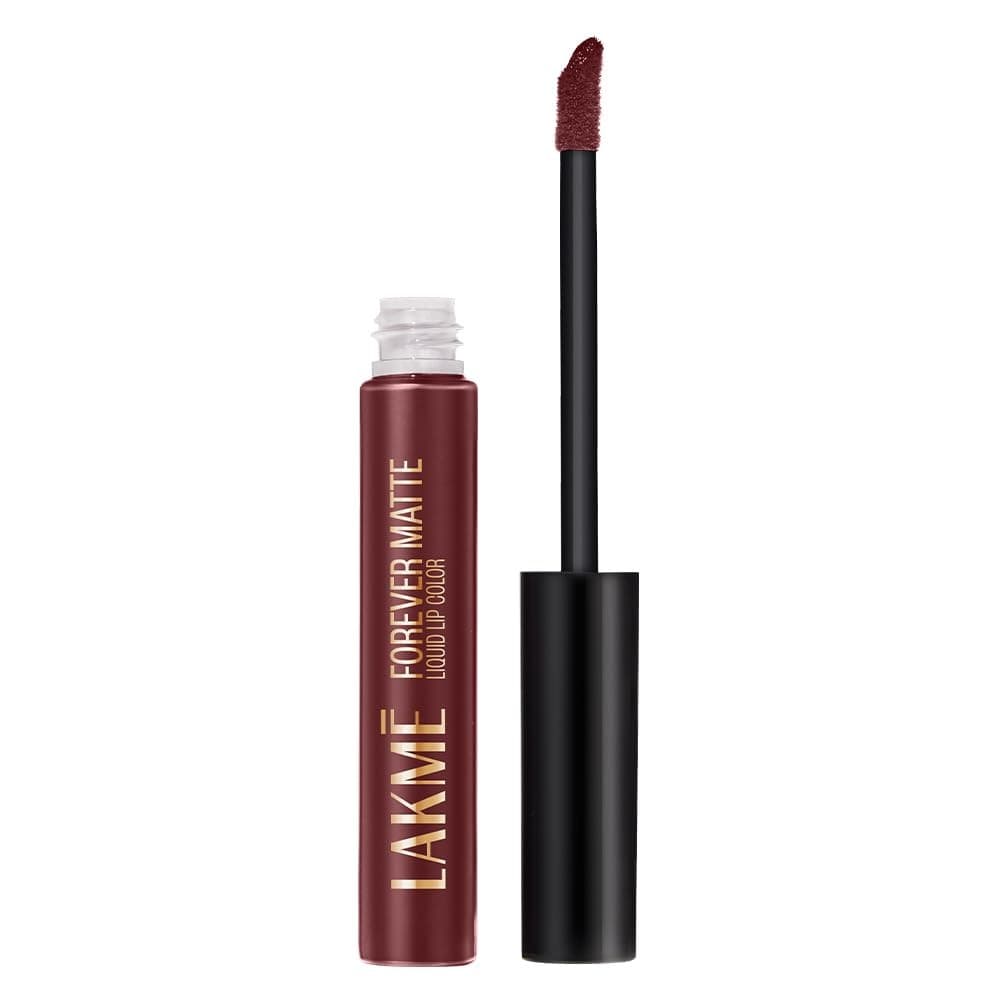
- Lakmé Forever – A transfer-proof liquid lipstick that provides intense color and a lightweight matte finish that lasts for hours.
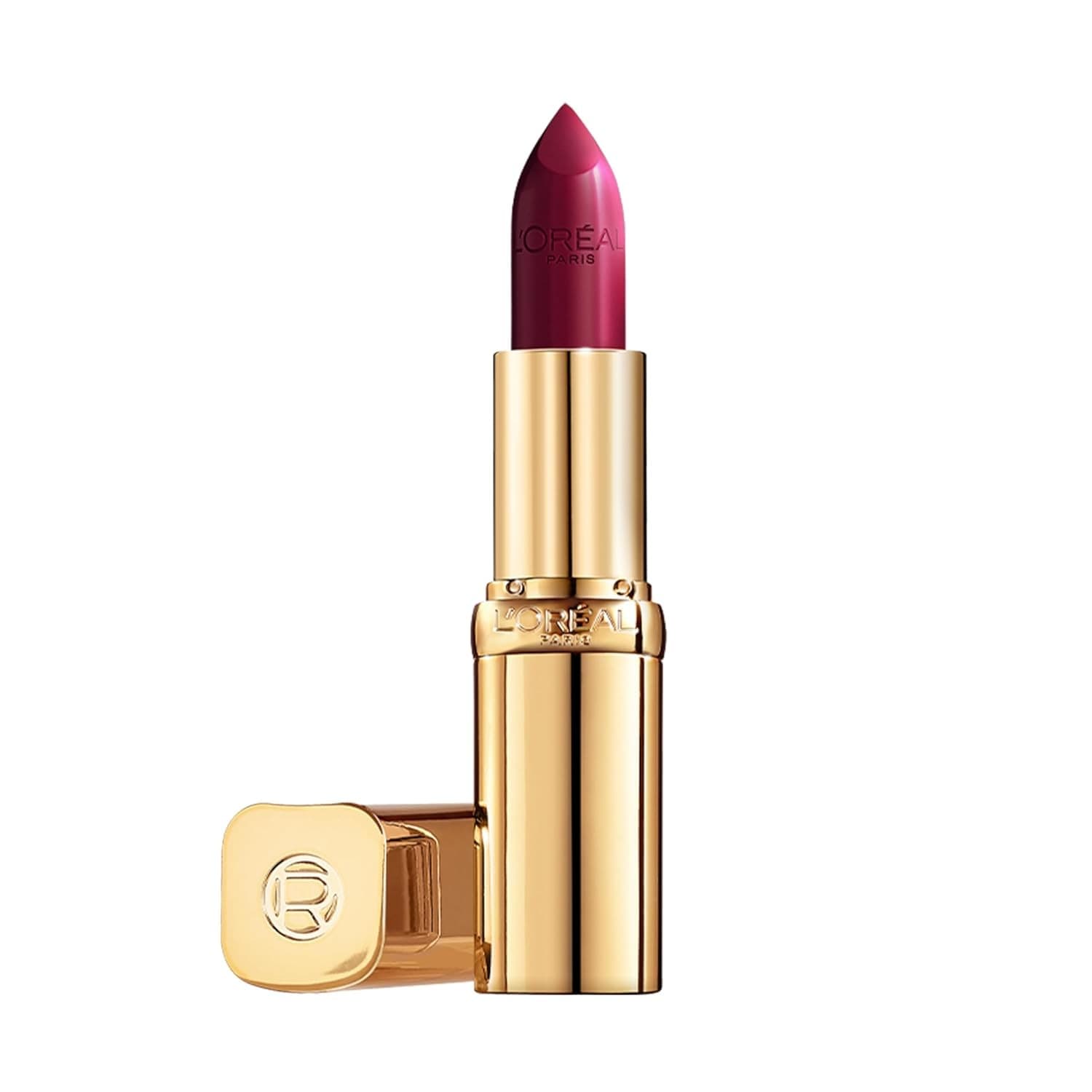
- L’Oréal Paris - A nourishing satin lipstick that delivers vibrant color with a smooth, creamy finish.