Introduction
Choosing between a hair cleanser and shampoo can be confusing, but at GlamGuider, we make it easy to pick what suits your personal hair profile. Whether you’re looking for the best shampoo for hair fall, a sulfate-free shampoo in India, or a natural hair cleanser, the right choice depends on your hair type and daily routine.
Shampoos offer a deeper cleanse a few times a week, especially for concerns like dandruff or hair fall, while hair cleansers are gentle, sulfate-free daily wash formulas ideal for sensitive or dry scalps.
In this GlamGuider guide, we break down the key differences, ingredients, and benefits so you can confidently select the right solution for strong, fresh, balanced hair.
Understanding surfactant chemistry and scalp biochemistry enables informed choice: traditional shampoos (anionic surfactants, pH 6.5–8.0) deeply degrease but compromise barrier function; cleansers (amphoteric surfactants, pH 4.5–6.5) gently cleanse while preserving scalp microbiome and lipid balance.
Understanding the Why and the How
Shampoo - Shampoos are designed to remove dirt, oil, and buildup from the hair and scalp. Many modern shampoos, including those for concerns like hair fall, dandruff, or dryness, use natural extracts and gentle surfactants to cleanse while keeping the scalp balanced.
However, traditional shampoos with sulfates can strip away too much natural oil, leading to dryness, frizz, and scalp irritation. This is why pairing shampoo with a moisturizing conditioner is essential especially if you have dry or color-treated hair.
Anionic surfactants (sodium lauryl sulfate, sodium laureth sulfate) have high interfacial tension reduction, breaking apart sebum (squalene, triglycerides, waxes) and emulsifying them for water-soluble removal. However, their high degreasing power also strips protective scalp lipids, compromising the acid mantle and disrupting the skin barrier, leading to transepidermal water loss (TEWL) and inflammation.
Key Benefits of Shampoo:
- Anionic Surfactants (Cocamidopropyl Betaine, Decyl Glucoside): Surfactants are amphiphilic molecules with hydrophobic tails and hydrophilic heads. Anionic surfactants are negatively charged, allowing them to wrap around oil droplets (sebum, dirt) and emulsify them into water. SLS (SDS) achieves dramatic grease removal by reducing surface tension from 72 mN/m (water) to ~30 mN/m, but this same power damages the stratum corneum, disrupting tight junction proteins (claudins, occludin) and increasing TEWL by 50–100%.
- Moisturizers (Panthenol, Polyquaternium, Humectants): These counteract the drying effect of cleansing. Panthenol (pro-vitamin B5) penetrates the cuticle and converts to pantothenic acid in the cortex, supporting ceramide synthesis and protein cross-linking, reducing water loss by 15–25%. Polyquaternium-10 (PQ-10) is a cationic polymer that electrostatically binds to negatively-charged damaged hair, providing slip and detangle benefits.
- Proteins (Keratin, Silk Protein, Wheat Protein): Strengthen weak strands by partially filling cortical voids from damage. Keratin provides long-term structural support; silk and wheat proteins offer temporary slip.
- pH Buffers (Citric Acid, Sodium Citrate): Shampoos are buffered to pH 6.5–8.0. Higher pH (8.0) opens the cuticle and achieves deeper cleansing but also causes more damage. Buffers maintain consistent pH throughout the wash, preventing pH swings that would cause excessive swelling or sensitization.
Key Benefits of Hair Cleansers:
- Amphoteric/Zwitterionic Surfactants (Coco-Glucoside, Cocamide MEA): These surfactants are neither purely anionic nor cationic—they can function as either depending on pH. Amphoteric surfactants have lower interfacial tension (40–50 mN/m) than anionic SLS (30 mN/m), meaning gentler cleansing but reduced grease removal. Their mild nature preserves the scalp's acid mantle and sebaceous lipid layer, reducing TEWL by 70–80% compared to SLS shampoos.
- Oils & Butters (Coconut Oil, Shea Butter, Jojoba Oil): Cleansers incorporate oils to offset stripping, providing occlusion and hydration. Coconut oil's lauric acid penetrates the cortex; jojoba's esters mimic sebum.
- Herbal Actives (Aloe vera, Fenugreek, Tea Tree): Plant extracts provide antimicrobial and anti-inflammatory benefits. Tea tree oil's terpineol and cineole components suppress Malassezia overgrowth (linked to dandruff); aloe's polysaccharides soothe irritation; fenugreek's trigonelline supports scalp microbiome balance.
Ingredient Breakdown by Scalp Condition
-
Oily Scalp: Anionic surfactants (SLS/SLES), Zinc Pyrithione, Salicylic acid, Tea tree oil.
Excess sebum, composed of triglycerides, wax esters, and squalene can trap debris and support microbial growth. Strong anionic surfactants effectively emulsify oil buildup. Zinc pyrithione suppresses Malassezia yeast, while salicylic acid exfoliates keratinized cells, improving follicular drainage and scalp balance.
-
Dry Scalp: Coco-glucoside, Coconut oil, Aloe vera, Ceramides, Glycerin.
Dry scalp conditions often result from lipid depletion and increased transepidermal water loss. Mild non-ionic surfactants cleanse gently without disrupting barrier lipids. Humectants like glycerin attract moisture, while ceramides restore the scalp’s protective lipid matrix and improve hydration retention.
-
Sensitive/Inflamed Scalp: Aloe vera, Centella asiatica, bisabolol, and chamomile extract.
Sensitive scalps typically exhibit impaired barrier function and increased inflammatory response. Botanical soothing agents help calm irritation and redness. Centella triterpenes and chamomile bisabolol reduce inflammatory mediators, while aloe polysaccharides create a protective hydrating layer supporting scalp recovery.
-
Dandruff-Prone Scalp: Ketoconazole, Zinc Pyrithione, Neem extract, Tea tree oil.
Dandruff commonly develops due to Malassezia fungal overgrowth combined with scalp inflammation and accelerated cell turnover. Antifungal agents like ketoconazole and zinc pyrithione inhibit fungal metabolism, while botanical antimicrobials such as neem and tea tree help control microbial imbalance.
-
Hair Fall / Weak Roots: Keratin, Biotin, Caffeine, Bhringraj extract, Zinc.
Hair shedding is often linked to weakened follicular anchoring and reduced nutrient delivery. Keratin-supporting ingredients strengthen hair fibers, while caffeine may stimulate follicle metabolism. Botanical extracts like bhringraj improve scalp microcirculation, supporting healthier follicles and stronger root attachment.
How to Use Shampoo (Glamguider Method)
- Wet hair with lukewarm water
- Lather shampoo and massage gently into the scalp
- Rinse well and follow with conditioner
- Style gently without pulling wet hair.
How to Use Hair Cleanser:
- Wet hair thoroughly
- Apply cleanser to the scalp, massage lightly
- Work through lengths & rinse
- Condition mid-length to ends
Key Ingredients to Know
Key Ingredients in Hair Shampoos
- Surfactants like Cocamidopropyl Betaine or Decyl Glucoside for cleansing
- Moisturizers such as Panthenol & Polyquaternium
- Strengthening agents like Keratin & Silk Protein
- pH Balancers like Citric Acid for scalp comfort
Key Ingredients in Hair Cleansers
- Gentle surfactants such as Coco-Glucoside
- Oils & butters such as Coconut Oil, Shea Butter
- Herbal actives like Aloe vera, Fenugreek, Tea Tree
Do's & Don’ts
Do's
- Choose the best shampoo for hair fall based on your scalp type using GlamGuider recommendations
- Massage gently for improved blood circulation
- Rinse completely to avoid residue
Dont's
- Don’t wash with hot water
- Don’t scrub aggressively
- Don’t over-shampoo
Glam Wrap-Up: Final Tips & Takeaway
Both shampoos and hair cleansers support healthy hair growth and scalp balance.
Use shampoo 2-3 times weekly for deeper cleansing and choose a GlamGuider-recommended natural or organic hair cleanser for daily washing or sensitive scalp needs.
At GlamGuider, our experts analyze formulas, check real user feedback, and provide transparent reviews to help you confidently choose the right products for your goals.
Top GlamGuider Recommended Natural Shampoos & Cleansers
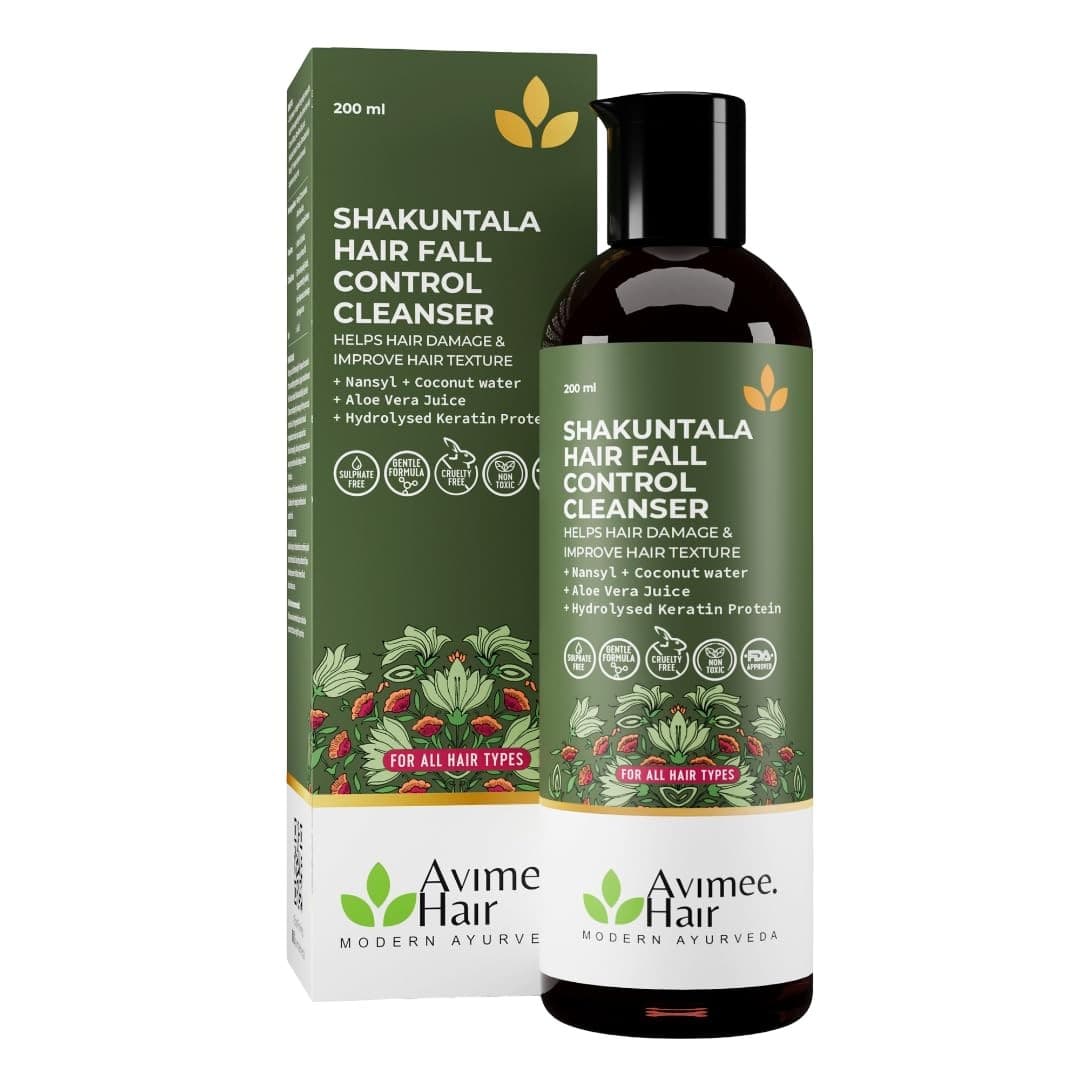
- Avimee: Gently cleanses the scalp while nourishing hair for healthier, stronger, and shinier strands.
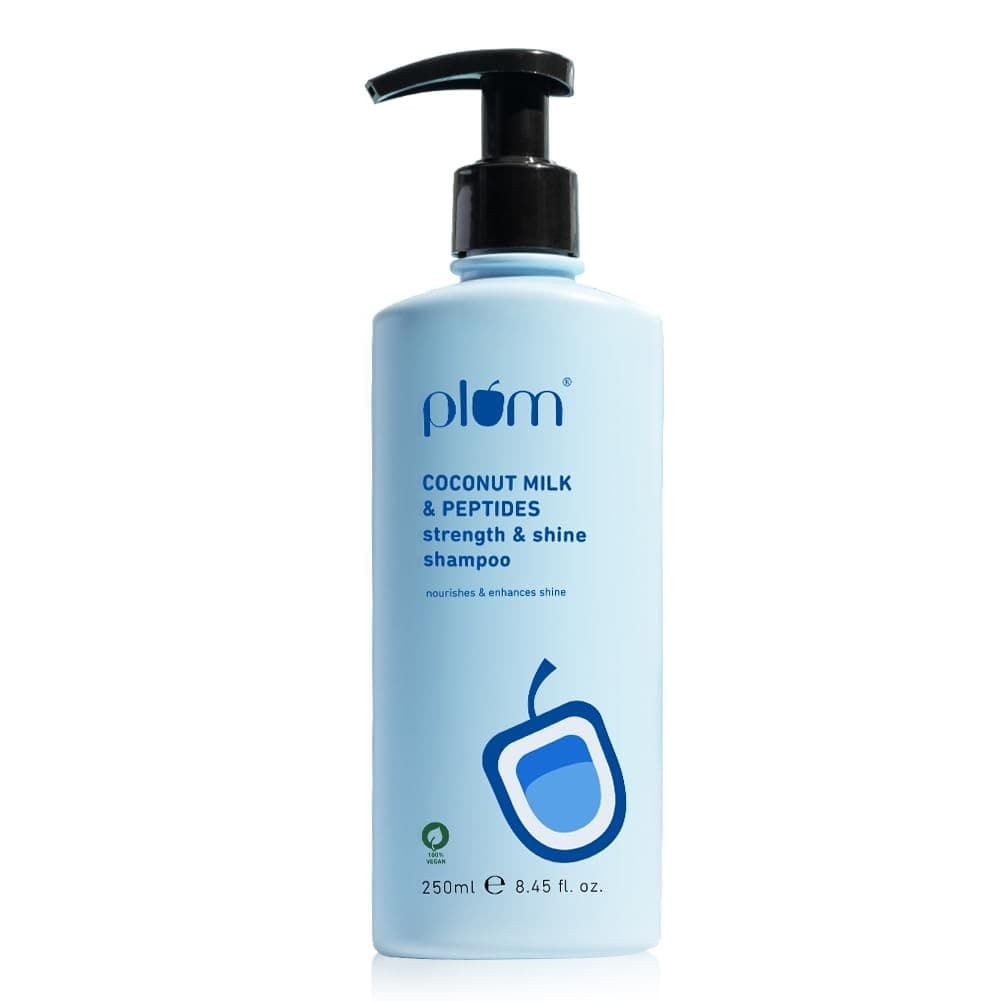
- Plum: Gently cleanses the scalp and hair while leaving it soft, fresh, and nourished after every wash.
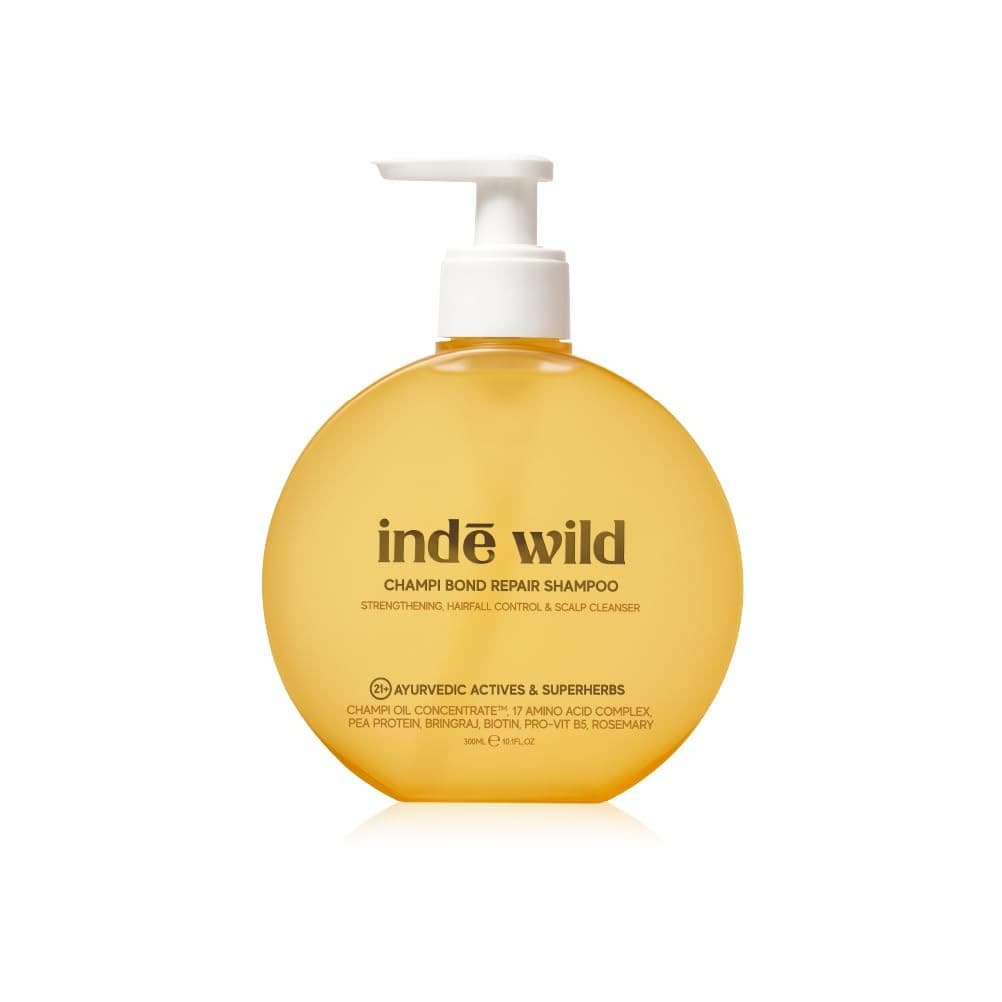
- indē wild: Reducing breakage, and restoring scalp health with Ayurvedic and biotech actives.
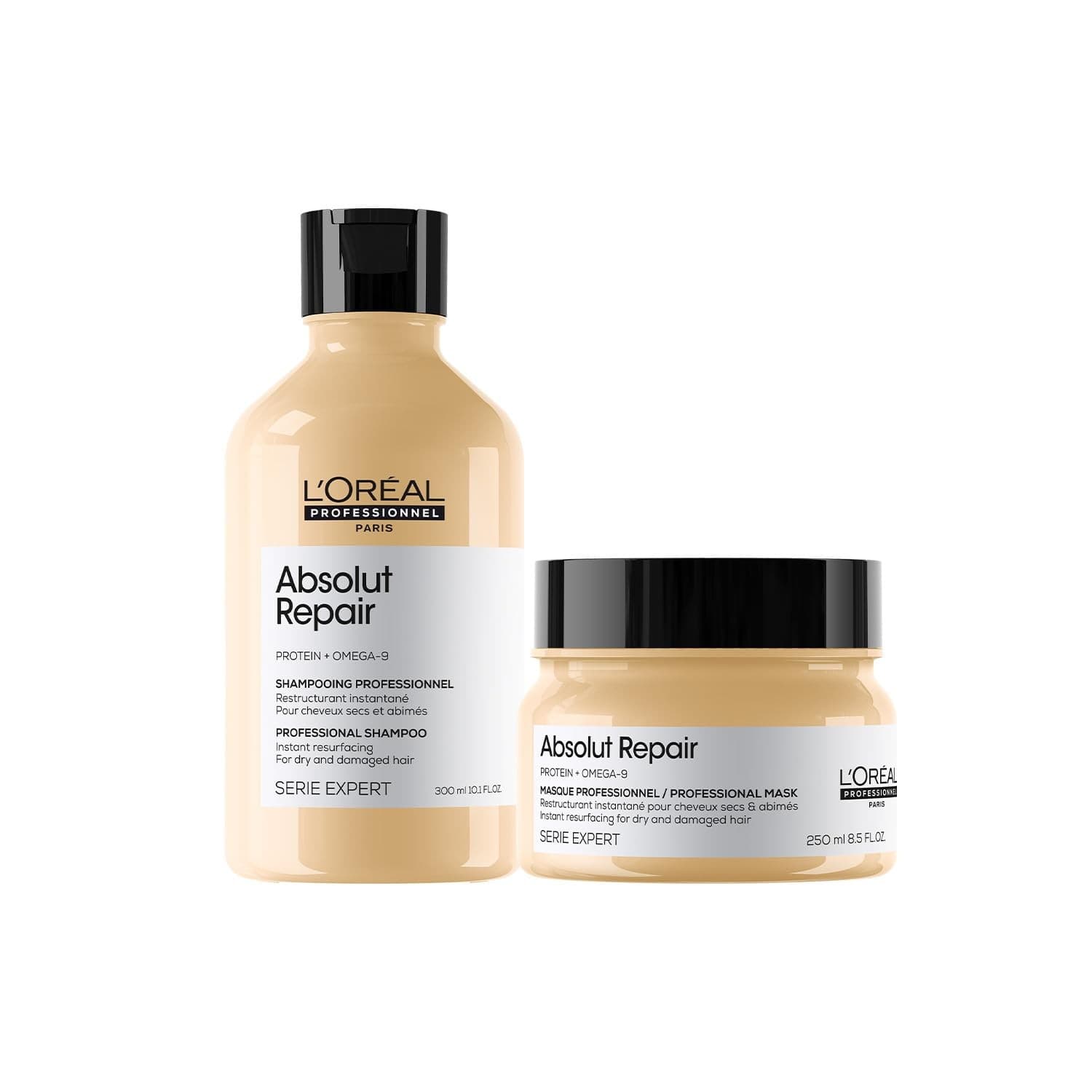
- L'Oréal Professionnel: Repairs damaged hair, strengthens strands, and restores smoothness and shine for healthier, salon-like results.