Introduction
Teenagers spend a lot of time outdoors at school, sports, or hanging out with friends. That’s why using sunscreen is important. Teen sunscreen is made to protect young skin from sunburn and damage while being light, non-greasy, and easy to use every day. It helps keep skin healthy now and in the future.
Understanding the Why and the How
What Are Teen Sunscreen?
Teen sunscreen is a product that protects the skin of teenager from the sun's harmful rays (UVA and UVB), just like adult sunscreen, but it’s often made with teen skin in mind. The main difference is in the fact that is most suitable for sensitive & acne prone skin, mild, fragrance free & non comedogenic.
Why Teens Might Need Special Sunscreen:
-
Oily or acne-prone skin: Many teens get pimples, so sunscreens for teens are often oil-free and won’t clog pores.
-
Sensitive skin: Some teens have skin that gets red or itchy easily, so gentle sunscreens are better.
-
Active lifestyle: Teens who play sports or are outdoors a lot need water- and sweat-resistant sunscreen.
-
Looks and feel: Teens may not like thick, greasy lotions, so light, non-greasy sunscreens are common.
Special Mention:
If you're buying sunscreen for a teen, look for a label that says:
-
"Oil-free"
-
"Non-comedogenic"
-
"Broad spectrum SPF 30 or higher"
How To Use Teen Sunscreen:
-
Start with clean, dry skin.
-
Use enough sunscreen about a shot glass full for your body, or a small amount for your face.
-
Apply sunscreen evenly on all exposed skin don’t miss ears, neck, hands, or feet.
-
Put it on 15 minutes before going outside.
-
Reapply every 2 hours, or after swimming, sweating, or towel drying.
-
Use sunscreen every day, even if it’s cloudy or you’re mostly indoors.
-
Choose a sunscreen made for teens lightweight, non-greasy, and non-comedogenic.
-
Wear a hat and sunglasses for extra protection.
Benefits of Teen Sunscreen
-
Stops sunburn protects skin from getting red and painful.
-
Protects skin from damage keeps skin smooth and healthy.
-
Helps prevent skin cancer later in life.
-
Doesn’t cause pimples made not to clog pores.
-
Keeps skin from drying out some sunscreens also moisturize.
-
Lets teens play outside safely without getting hurt by the sun.
-
Builds good habits using sunscreen now means healthier skin late.
Key Ingredients to Know
Teen Sunscreens are usually formulated considering skin safe & pH balanced ingredients which are as follows
-
Zinc Oxide: Zinc oxide is a mineral (physical) sunscreen ingredient. It protects your skin by sitting on top of it and reflecting the sun’s harmful UVA and UVB rays like a shield.
-
Titanium Dioxide: Titanium dioxide is another mineral (physical) sunscreen ingredient like zinc oxide. It works by sitting on the skin’s surface and reflecting UV rays away from the skin.
-
Avobenzone: It is a chemical sunscreen & absorbs UV radiations & is a broad spectrum sunscreen.
-
Niacinamide ( Vitamin B3): It calms redness, helps with acne, and supports skin barrier
-
Sodium Hyaluronate: It pulls moisture into the skin and locks it in, but feels lightweight and non-sticky.
-
Ceramides; Ceramides are barrier repairing ingredients that deeply hydrates the skin without disturbing oil glands & protects the lipid barrier of the skin
-
Silica or Starch: It absorbs moisture or oil from the skin.
Do's & Don’ts
Do's
-
Apply sunscreen every day, even on cloudy days.
-
Use about a shot glass amount (1 ounce) for your whole body.
-
Put sunscreen on 15 minutes before going outside.
-
Don’t forget spots like ears, neck, hands, and feet.
-
Reapply every 2 hours, or after swimming or sweating.
-
Use sunscreen with broad spectrum protection and SPF 30 or higher.
-
Pick a sunscreen that feels lightweight and non-greasy.
-
Look for non-comedogenic if you have oily or acne-prone skin.
-
Wear a hat and sunglasses for extra sun protection
Don'ts
-
Test first: Apply a small amount on your skin to check for any allergic reaction.
-
Avoid eyes: Don’t get sunscreen in your eyes it can sting.
-
Don’t use expired sunscreen: Check the expiration date before using.
-
Avoid inhaling sprays: If using spray sunscreen, spray it on your hands first, then apply to face.
-
Use sunscreen with proper SPF: Don’t use very low SPF sunscreens for long sun exposure.
-
Reapply often: Don’t rely on just one application for the whole day.
-
Store sunscreen properly: Keep it in a cool, dry place away from direct sunlight.
-
If irritation occurs, stop use: If skin gets red, itchy, or irritated, stop using and talk to a doctor.
Glam Wrap-Up: Final Tips & Takeaway
Teen sunscreen helps protect your skin from the sun’s damage. It keeps your skin healthy and stops sunburn and pimples. Using sunscreen every day is a good habit that keeps your skin safe now and in the future.
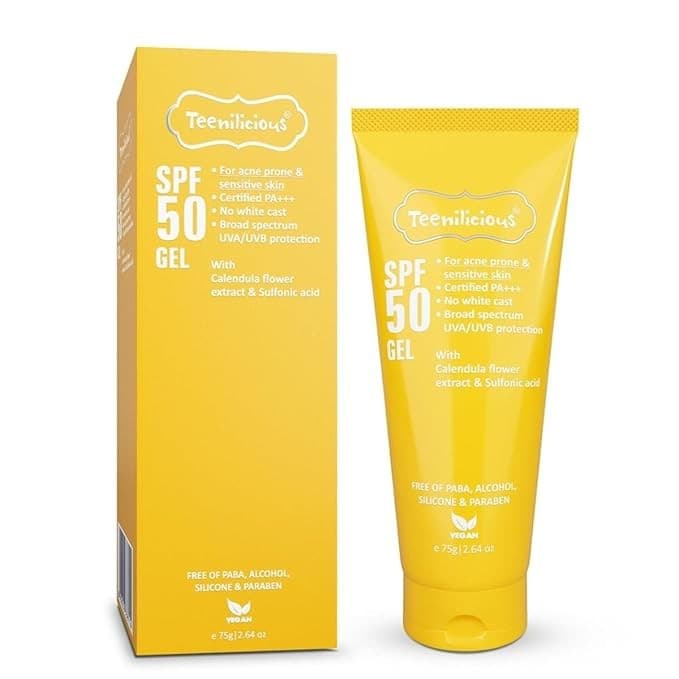
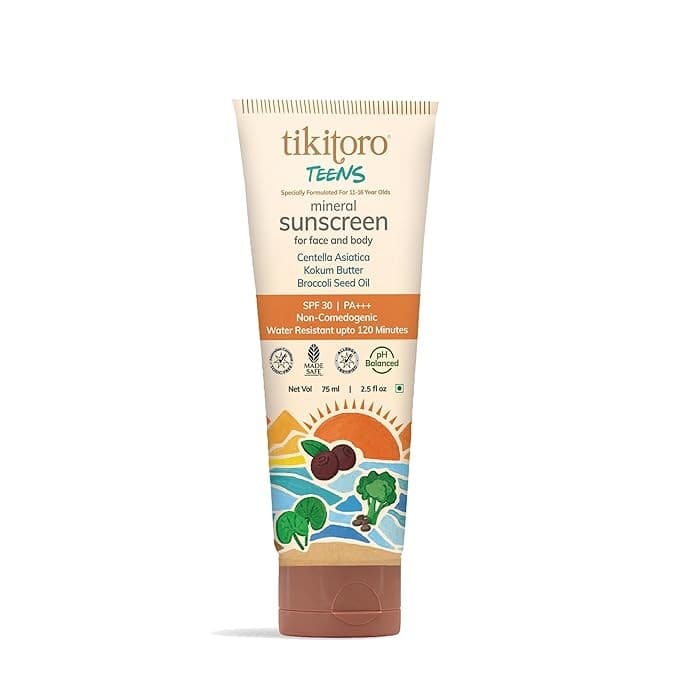
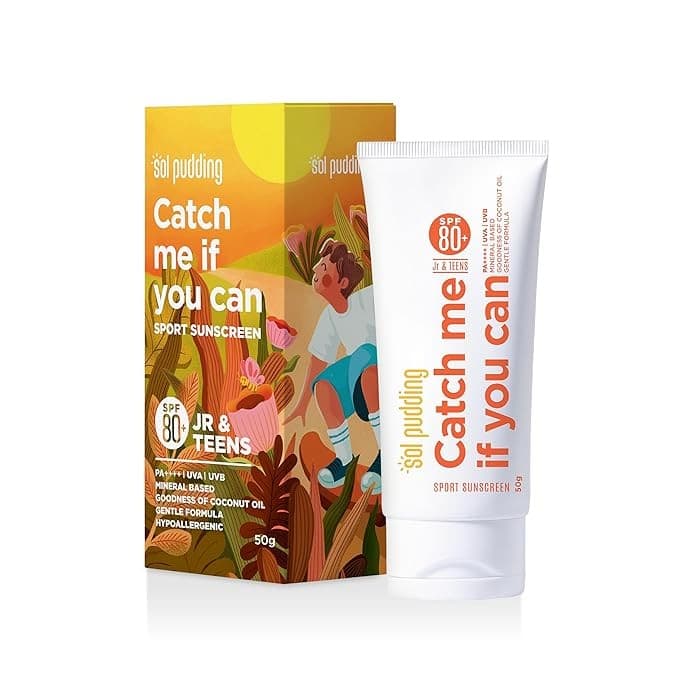
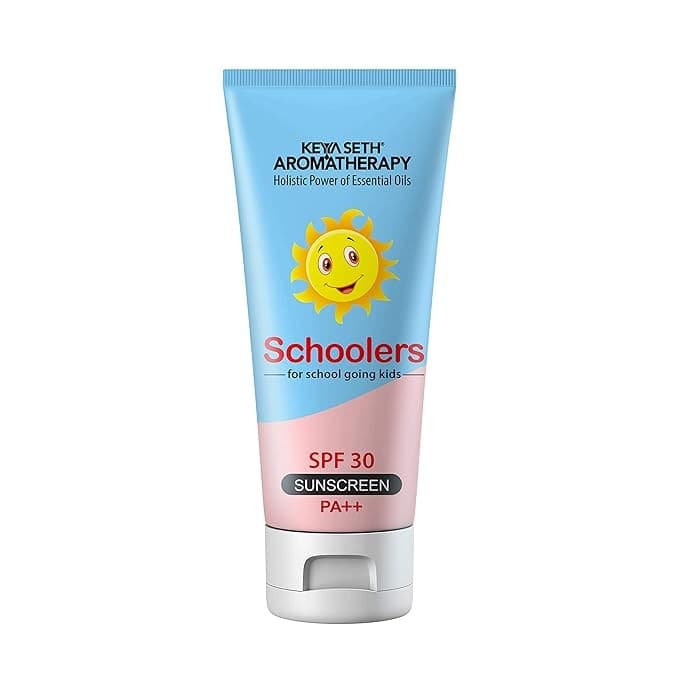
GlamGuider reads product ingredients to write honest reviews and make recommendations based on user feedback. Looking for a daily Teen sunscreen that works wonders? Here are a few of the top teen sunscreens, according to user reviews, loved by our team:
-
Teenilicious: Oil-free sunscreen gel for acne-prone, sensitive skin protection.
-
Tikitoro Teens: Lightweight mineral sunscreen that nourishes and protects teen skin.
-
Sol Pudding: Kid-safe mineral sunscreen for strong, lasting UV protection.
-
KEYA SETH AROMATHERAPY: Non-greasy kids’ sunscreen enriched with vitamins and natural oils.