Introduction
A smooth and long-lasting makeup base depends not only on foundation but also on how well it is set. Compact powder is one of the most useful makeup essentials because it helps control shine, set makeup, blur minor imperfections, and refresh the face during the day.
For Indian skin, compact powder can be especially helpful in humid weather, oily T-zones, long working hours, travel, and daily touch-ups. The right compact powder can make your makeup look fresh without feeling heavy or cakey.
In this GlamGuider guide, we explain what compact powder is, its benefits, different types, key ingredients, application tips, and how to choose the right compact powder for your skin type and skin tone.
What Is Compact Powder?
Compact powder, also known as pressed powder, is a finely milled powder compressed into a compact case. It is usually used to set foundation, reduce excess oil, even out the skin, and give the face a smooth finish.
Depending on the formula, compact powders can offer sheer, light, medium, or fuller coverage. Some are mainly used for oil control, while others work like powder foundation for additional coverage.
Understanding the Why and the How
Benefits of Using Compact Powder
Controls Excess Oil
Compact powder helps absorb excess sebum and reduce shine, especially around the forehead, nose, and chin.
Sets Makeup for Longer Wear
Applying compact powder over foundation or concealer helps keep makeup in place and reduces smudging, creasing, and patchiness.
Gives a Smooth Finish
Compact powder can blur the appearance of pores, fine lines, and uneven texture, giving the skin a more polished look.
Adds Light Coverage
Tinted and coverage-based compact powders can help even out skin tone and cover minor redness, dullness, and blemishes.
Easy for Touch-Ups
Compact powder is travel-friendly and easy to carry, making it useful for quick touch-ups during the day.
Suitable for Daily Makeup
Lightweight compact powders are ideal for everyday makeup when you want a fresh, natural, and shine-free look.
Types of Compact Powder
Choosing the right compact powder starts with understanding the different types available.
Matte Compact Powder
Best for: Oily and combination skin
Matte compact powders are designed to control shine and absorb excess oil. They are suitable for people who experience greasiness during the day or live in humid weather.
Features:
- Controls excess oil
- Reduces shine
- Gives a matte finish
- Helps makeup last longer
Powder Foundation Compact
Best for: Oily, acne-prone, normal, and combination skin
Powder foundation compact has more pigment than a regular compact powder. It can be used alone for coverage or over foundation for a more polished finish.
Features:
- Offers medium to fuller coverage
- Helps even out skin tone
- Can conceal minor blemishes
- Can be used with or without foundation
Translucent Compact Powder
Best for: Most skin types and skin tones
Translucent compact powder is usually colorless or very sheer. It sets makeup without adding much coverage or changing the shade of foundation.
Features:
- Lightweight formula
- Sets makeup naturally
- Does not add heavy coverage
- Useful for touch-ups
Tinted Compact Powder
Best for: Normal, oily, combination, and slightly dry skin depending on the formula
Tinted compact powder adds a light layer of color and helps even out the skin tone. It is a good option for daily wear when you do not want to apply foundation.
Features:
- Gives light coverage
- Helps even out skin tone
- Looks natural on the skin
- Good for everyday makeup
Cream Compact Powder
Best for: Dry, mature, and dehydrated skin
Cream compact powders have a creamier texture and are usually more comfortable for dry skin. They provide a smoother finish and reduce the chance of a dry or powdery look.
Features:
- More hydrating than regular powder
- Gives a soft, dewy finish
- Reduces cakiness
- Blends well into the skin
Mineral Compact Powder
Best for: Sensitive and acne-prone skin
Mineral compact powders are usually made with mineral-based ingredients and are often lightweight and breathable. They may be a better option for sensitive skin when the formula is fragrance-free and non-comedogenic.
Features:
- Lightweight on the skin
- Suitable for sensitive skin
- Less likely to feel heavy
- Can be good for acne-prone skin when non-comedogenic
How to Choose the Best Compact Powder for Indian Skin
The best compact powder depends on your skin type, skin tone, coverage needs, and makeup routine.
For Oily Skin
Choose matte compact powders with oil-absorbing ingredients such as silica or kaolin clay. These help control shine and keep the skin looking fresh for longer.
For Dry Skin
Choose hydrating or cream-based compact powders. Look for ingredients such as Vitamin E, shea butter, or skin-conditioning agents. Avoid applying too much powder, as it can make dry patches more visible.
For Combination Skin
Choose a lightweight compact powder with balanced oil control. Apply more powder on the T-zone and less on dry areas like the cheeks.
For Sensitive Skin
Choose fragrance-free, non-comedogenic, and mineral-based compact powders. Avoid formulas with strong fragrance or unnecessary irritants if your skin reacts easily.
Choose the Right Shade
For Indian skin tones, shade matching is very important. A compact powder that is too light can make the face look grey or ashy, while a shade that is too dark can make the skin look dull.
Shade selection tips:
- Match the compact powder with your jawline and neck.
- Test it in natural light whenever possible.
- Avoid shades that look too pink, too white, or too orange on your skin.
- Choose yellow, golden, neutral, or warm undertones depending on your natural complexion.
Choose Based on Coverage
- Light coverage: Translucent or tinted compact powder
- Medium coverage: Matte compact or tinted compact powder
- Fuller coverage: Powder foundation compact
How to Apply Compact Powder
Using compact powder correctly helps avoid a cakey or patchy finish.
Step 1: Prep Your Skin
Cleanse your face, apply moisturizer, and use sunscreen before makeup.
Step 2: Apply Foundation or Concealer
This step is optional. You can use compact powder alone for a natural look or apply it over foundation to set your base.
Step 3: Choose the Right Applicator
- Powder puff: Gives more coverage and better oil control
- Powder brush: Gives a lighter and more natural finish
- Sponge: Useful for touch-ups and targeted coverage
Step 4: Apply in Thin Layers
Start with a small amount of product. Press or sweep the powder gently on oily areas, especially the T-zone.
Step 5: Blend Well
Blend around the jawline, nose, hairline, and under-eye area to avoid visible powder lines.
Step 6: Touch Up When Needed
Use compact powder during the day only where shine appears. Avoid layering too much product without blending.
Key Ingredients to Know
Talc
Talc gives compact powder a smooth, silky texture and helps with easy application.
Mica
Mica adds softness, blendability, and sometimes a subtle glow to the powder.
Silica
Silica helps absorb oil, reduce shine, and blur the appearance of pores.
Kaolin Clay
Kaolin clay helps absorb sweat and excess oil, making it useful for oily and combination skin.
Titanium Dioxide
Titanium dioxide provides coverage and may contribute to sun-protection benefits in some formulas. However, compact powder should not be used as a replacement for sunscreen.
Zinc Oxide
Zinc oxide is a mineral ingredient known for its soothing properties and sun-protection support in some formulas. Sunscreen should still be applied separately.
Iron Oxides
Iron oxides provide pigment and help create different shades suitable for various skin tones.
Dimethicone
Dimethicone gives a smooth, velvety feel and helps the powder glide better on the skin.
Vitamin E
Vitamin E provides antioxidant benefits and helps reduce dryness in some formulas.
Shea Butter
Shea butter adds nourishment and comfort, especially in cream-based compact powders.
Do’s and Don’ts
Do’s
- Choose a compact powder based on your skin type.
- Match the shade with your skin tone and undertone.
- Moisturize before applying powder.
- Use clean brushes, puffs, or sponges.
- Apply powder in thin layers.
- Focus more on oily areas instead of applying heavily all over the face.
Don’ts
- Don’t apply too much powder at once.
- Don’t skip skincare preparation.
- Don’t rub powder harshly into the skin.
- Don’t apply many layers without blending.
- Don’t share compact powder, puff, or sponge with others.
- Don’t use expired compact powder.
Glam Wrap-Up: Final Tips & Takeaway
Compact powder is a useful makeup essential for creating a smooth, fresh, and shine-free look. It can help set makeup, control oil, even out the skin, and provide quick touch-ups throughout the day.
For the best results, choose a compact powder based on your skin type, skin tone, coverage needs, and daily routine. Oily skin may benefit from matte and oil-control formulas, while dry skin may need creamier or hydrating options. Sensitive skin should look for fragrance-free and non-comedogenic formulas.
At GlamGuider, we help you understand ingredients, compare product types, and choose beauty products that suit your skin needs, lifestyle, and makeup goals.
Here are the top recommended foundations by our experts
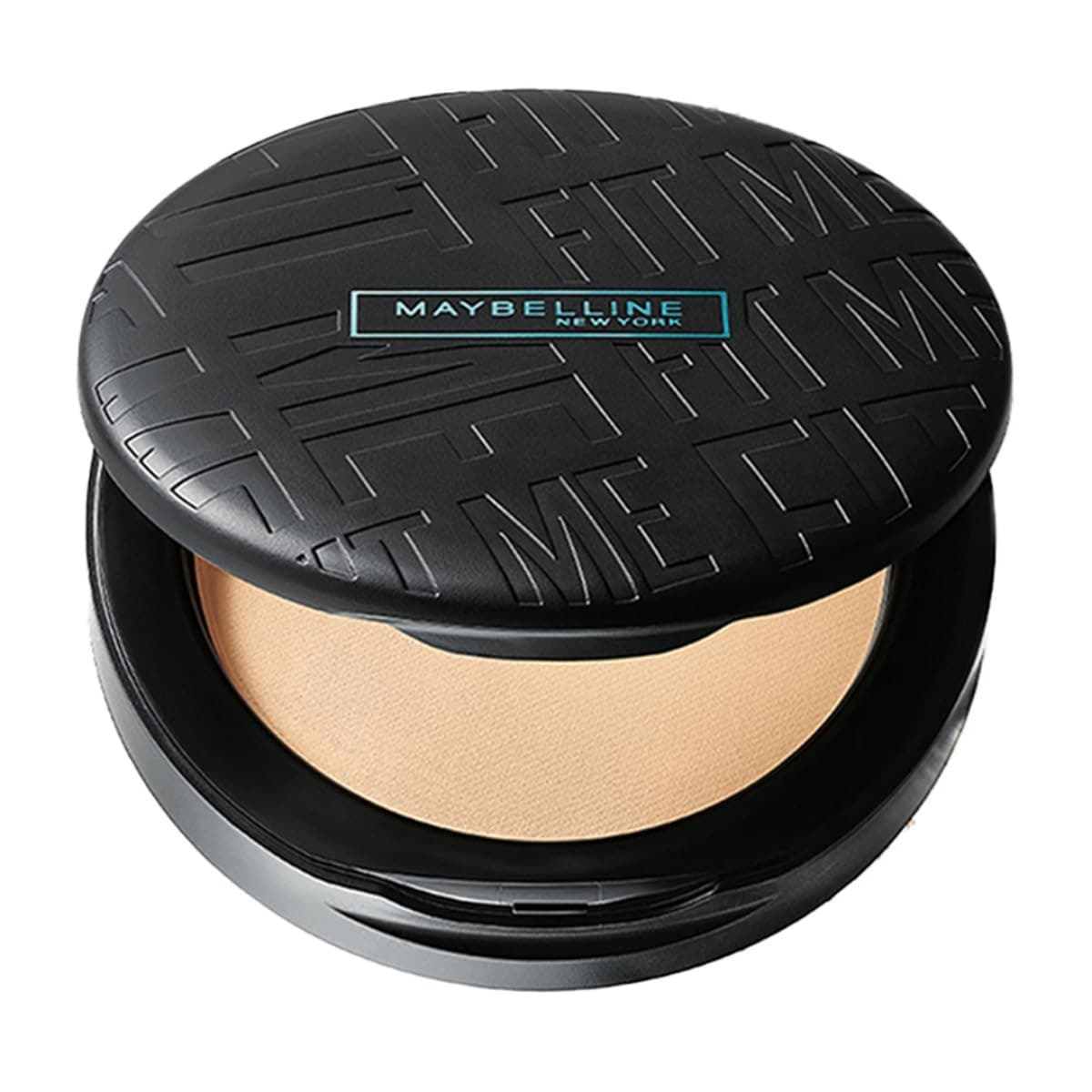
- Maybelline - A lightweight compact powder that controls shine, blurs pores, and delivers a natural matte finish for all-day fresh-looking skin.
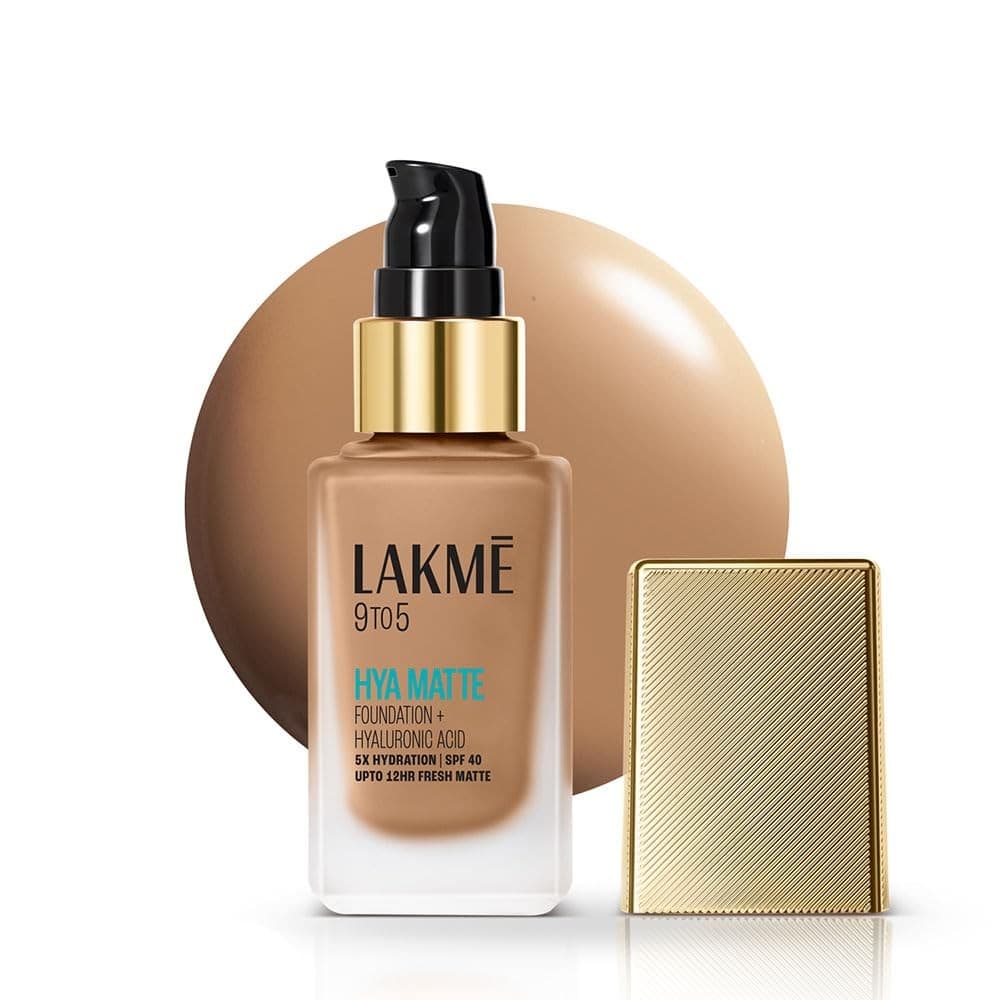
- Lakme - A primer-infused powder foundation that provides smooth coverage, controls oil, and delivers a long-lasting matte finish.
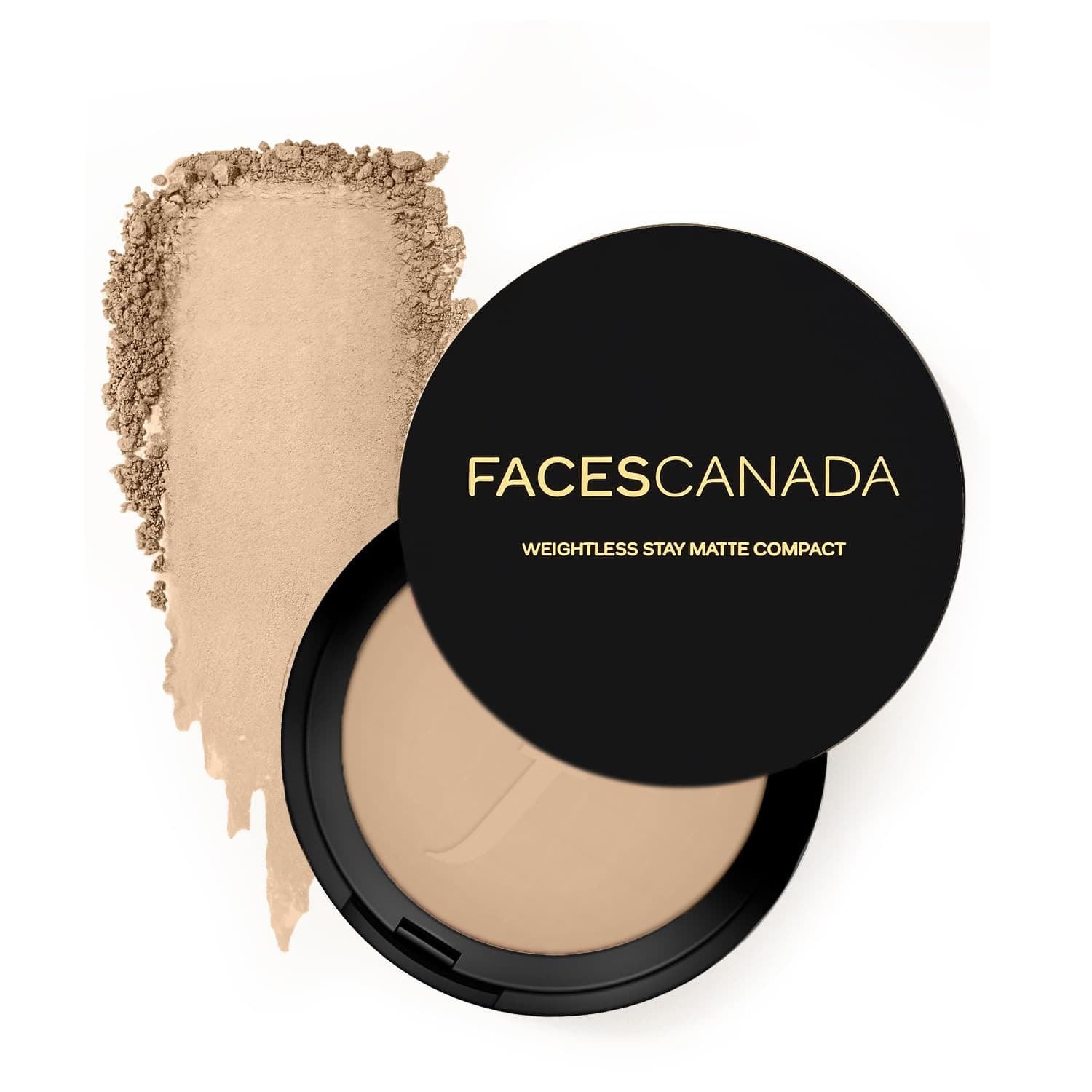
- Faces Canada - A lightweight compact powder that offers shine control, smooth coverage, and a natural matte finish without feeling heavy on the skin.
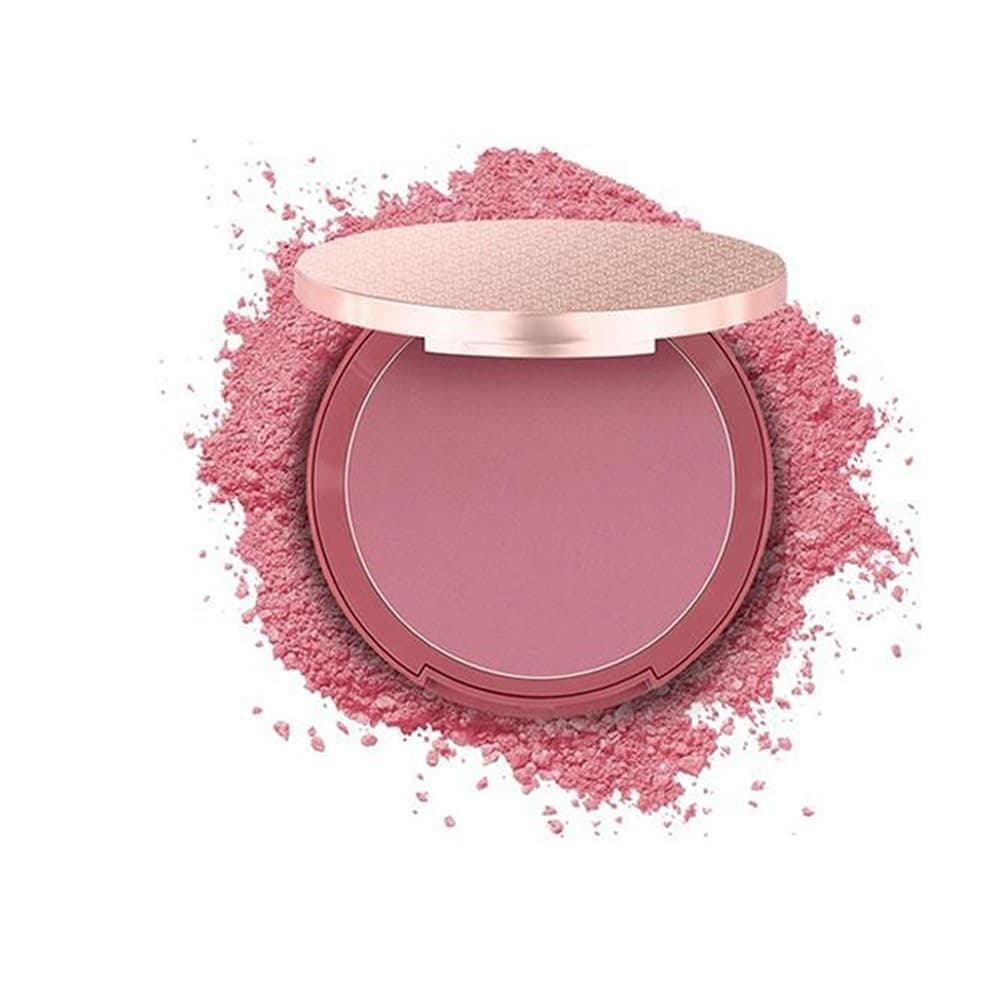
- Kay Beauty - A silky, lightweight compact that blurs imperfections, controls excess oil, and gives a smooth matte finish for a naturally flawless look.