Introduction
In today's health-conscious world, maintaining proper hand hygiene is more important than ever. They are an eco-friendly solution for clean and healthy hands without the use of harsh chemicals and made with plant-based ingredients, essential oils, and skin-loving extracts. These products are gentle on the skin while being tough on germs.
On the other hand, Hand sanitizers are formulated to cleanse, nourish & protect the hands, giving a cooling & refreshing feeling after each use. The main component of the Hand Sanitizers is alcohol, which provides quick, water-free sanitation on the go.
Understanding the Why & the How
What Are Handwash & Sanitizer?
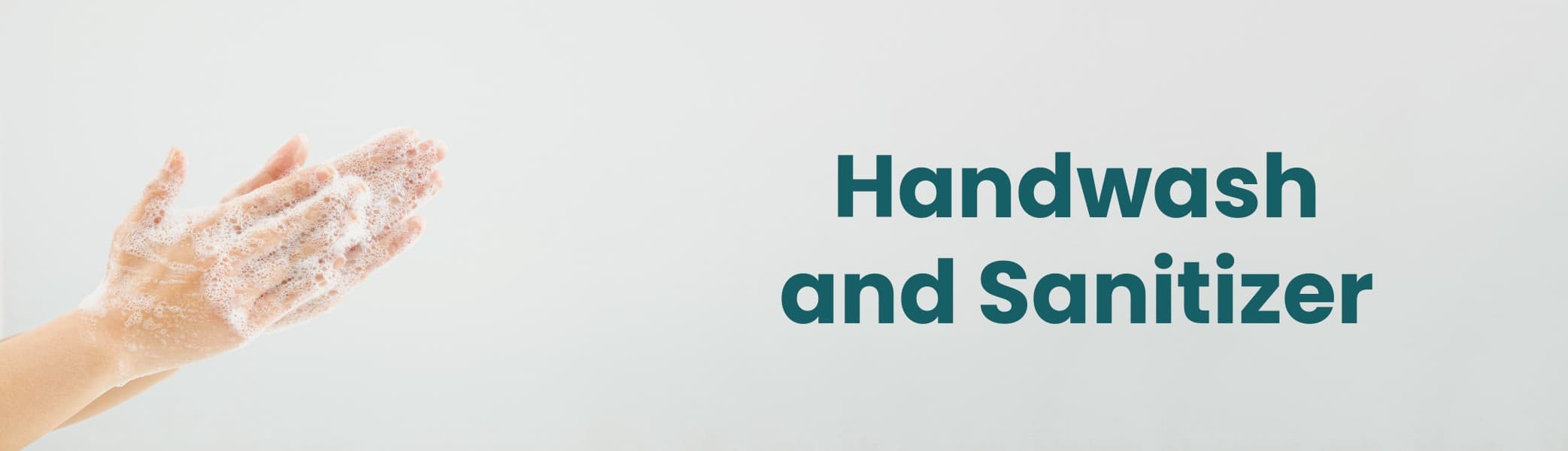
Handwash: Handwash is a liquid, foam, or bar soap designed to clean your hands using water. It works by lifting dirt, grease, and germs off your skin so they can be rinsed away. Handwashes often contain cleansing agents called surfactants, moisturizers to protect skin, and sometimes natural ingredients for a gentle feel. Natural Handwash uses surfactants that are made from natural sources such as olives , coconut, etc.
Sanitizer: Hand sanitizer is a liquid, gel, or foam that kills germs on your hands without needing water. Most sanitizers contain alcohol (usually 60-70% ethanol or isopropyl alcohol), which quickly destroys bacteria and viruses. Sanitizers are handy when you don’t have access to soap and water
How Do Hand Washes Work?
Mechanism:
Soap molecules have two ends:
-
One end binds to oil, grease, and dirt (which often contain germs).
-
The other end binds to water.
When you scrub and rinse, soap lifts germs, dirt, and grease off your skin and water washes them away.
Effectiveness:
-
Removes bacteria, viruses, and chemicals (like pesticides).
-
Works even when hands are visibly dirty or greasy.
How Do Hand Sanitizers Work?
Mechanism:
-
Contains alcohol (usually ethanol or isopropanol).
-
Alcohol breaks down the protein and fat layers of many germs, effectively killing bacteria and viruses.
Effectiveness:
-
Kills most bacteria and viruses (especially when it's 60–95% alcohol).
-
Works best on clean, dry hands.
Benefits of Natural Handwash:
-
Gentle on Skin- They make use of natural-based surfactants ( decyl glucoside, sodium cocoyl glutamate), which are gentle on skin with effective cleansing action, thus reducing dryness & irritation
-
Non-Toxic and Chemical-Free- These mainly reduce exposure to chemicals that may cause contact dermatitis, hormone disruption, or long-term sensitivity.
-
Eco-Friendly- These products make use of eco-friendly & biodegradable ingredients that are environmentally friendly, like decyl glucoside, sodium cocoyl glutamate, glycerin, etc.
-
Safe for Children and Sensitive Skin- Natural handwashes are usually free of harsh detergents, making them suitable for babies, children, and people with eczema or dry skin.
-
Medicinal Properties- These handwashes may use herbs with medicinal properties like Neem, Sandal, Turmeric, Tea tree, etc., which have potent medicinal properties.
How To Use?
Hand Washes:
-
Wet your hands with clean, running water (warm or cold).
-
Take coin full amount of handwash & lather well.
-
Scrub all parts of your hands like palms, back of hands, between fingers, under fingertips, thumbs & wrists & scrub for at least 30 seconds.
-
Rinse hands well under running water.
-
Dry with a clean towel or air dry.
-
Dry with a clean towel or air dry.
Hand Sanitizers:
-
Apply the right amount- Use enough hand sanitizer to cover all surfaces of both hands.
-
Rub your hands together - Rub the sanitizer all over your hands, rub the sanitizer all over your hands like palms, between the fingers, under the nails, around thumbs & wrists.
-
Rub until dry- Continue rubbing for 20–30 seconds, or until your hands feel dry.
Benefits of Hand Sanitizer:
-
Alcohol-Based but Skin-Friendly- Choose a Hand Sanitizer which uses plant based alcohol to reduce the harmful effects of alchol such as irritation, redness, eczema, etc.
-
Less Irritation- By avoiding the use of harmful & toxic chemicals such as phthalates, artificial fragrances, and parabens it is better tolerated for frequent use, especially for healthcare workers, travelers, and parents.
-
Kills Germs Quickly- Hand sanitizers (with at least 60% alcohol) can kill 99.9% of many common germs, bacteria, and viruses on your hands.
-
Reduces Risk of Infections- Regular use can help reduce the spread of illnesses, especially in high-touch environments like public transportation, offices, and schools.
-
Many hand sanitizers now include moisturizers (like aloe vera or glycerin) to prevent skin dryness from frequent use.
-
Ideal for Healthcare and Public Settings- Essential in hospitals, clinics, and other places where hand hygiene is critical to prevent cross-contamination.
Key Ingredients to Know
Key Ingredients of a Natural Handwash:
-
Primary Surfactants ( Cleansing Agents): These provide the main cleansing power and foam in the handwash. For natural handwash look for plant derived surfactants such as Sodium Cocoyl Isethionate ( derived from coconut) which is extremely gentle, Sodium Lauroyl Sarcosinate ( which is coconut & Amino acids derived), Decyl Glucoside ( sugar & coconut derived).
-
Secondary Surfactants ( Foam Boosters) : They reduce the harshness of primary surfactants and improve foaming ability of an hand wash. Some examples are: Cocoamidopropyl betaine ( derived from coconut oil), Disodium Laureth Sulfosuccinate.
-
Humectants & Moisturizers: They reduce the moisture loss from the skin & prevent skin dryness and improve the feel after washing. Examples include: glcerine, Propanediol, Sodium lactate, Hydroxyethyl urea etc.
-
Emollients / Skin Conditioners: They improve the barrier function of the skin by making it smooth & hydrated.Example, PEG 7 glyceryl cocoate, Vitamin B5, etc.
-
Thickeners & Rheology Modifiers: They improve the texture & viscosity of the product. Example, Carbomer/acrylates copolymer, xanthan gum, sodium chloride, guar gum, etc.
-
Preservatives: that prevent microbial contamination of the product. Examples include: Phenoxyethanol, hexylene glycol, dehydroacetic acid, etc.
-
pH Adjusters : They maintain the skin-compatible pH (around 5.5–6.5). Citric acid ( acisic buffer) & sodium hydroxide or potassium hydroxide ( basic buffer).
-
Additives: such as shea butter, aloevera, cucumber, chamomile that provides hydration , nourishment to the hands.
Key Ingredients of a Hand Sanitizer:
-
Active Ingredient ( Ethyl Alcohol or Isopropyl alcohol)- This is the main antimicrobial agent which kills bacteria, viruses & fungi. It dries quickly allowing ease of application.
-
Humectants & Moisturizers- The Humectants & Moisturizing ingredients are mainly used to combat drying effects of alcohol. Examples include: Glycerine, aloe vera , Propanediol, sodium lactate, etc.
-
Thickening Agents- Thickening agents or polymers are ingredients that gives texture & consistency to the product. Examples include- Carbopol 940, Hydroxyethyl cellulose, Xanthan Gum, etc.
-
pH Adjustors- The ideal functional pH of Hand Sanitizers should be 6.5-7.5. Neutralizers are added in the system to neutralize the pH of the solutuon. Example- Triethanol Amine.
-
Preservatives- These are the ingredients that protect the product from contamination.These are not a necessary addition in alcohol based Hand sanitizers, as high percentage of alcohol is sufficient for protection against microbes. However in case of non alcoholic Hand sanitizers it is an important addition. Examples- Phenoxyethanol.
Do's & Don’ts
Do's
- Do use handwash with running water when hands are visibly dirty.
- Do ensure your hand sanitizer contains at least 60% alcohol.
- Do scrub all parts of your hands for at least 20 seconds.
- Do dry your hands completely with a clean towel after washing.
- Do use a sanitizer with moisturizers like aloe vera to protect your skin.
Don’ts
Don't use hand sanitizer on greasy or visibly dirty hands; it won't be effective.
Glam Wrap-Up: Final Tips & Takeaway
Natural handwashes and sanitizers offer a safer, skin-friendly, and eco-conscious alternative to harsh chemical-based products. They not only protect against germs and bacteria but also nourish the skin with plant-based ingredients, essential oils, and gentle formulations. Choosing natural options ensures everyday hygiene without compromising on skin health, making them ideal for regular use by the whole family.
At GlamGuider, our team conducts a thorough examination of ingredients, authentic reviews, and user feedback to make informed product recommendations. Are you looking for the best natural hand wash and sanitizer for daily use? Here are the top-reviewed and most recommended Natural Handwash & Sanitizer products loved by our team
-
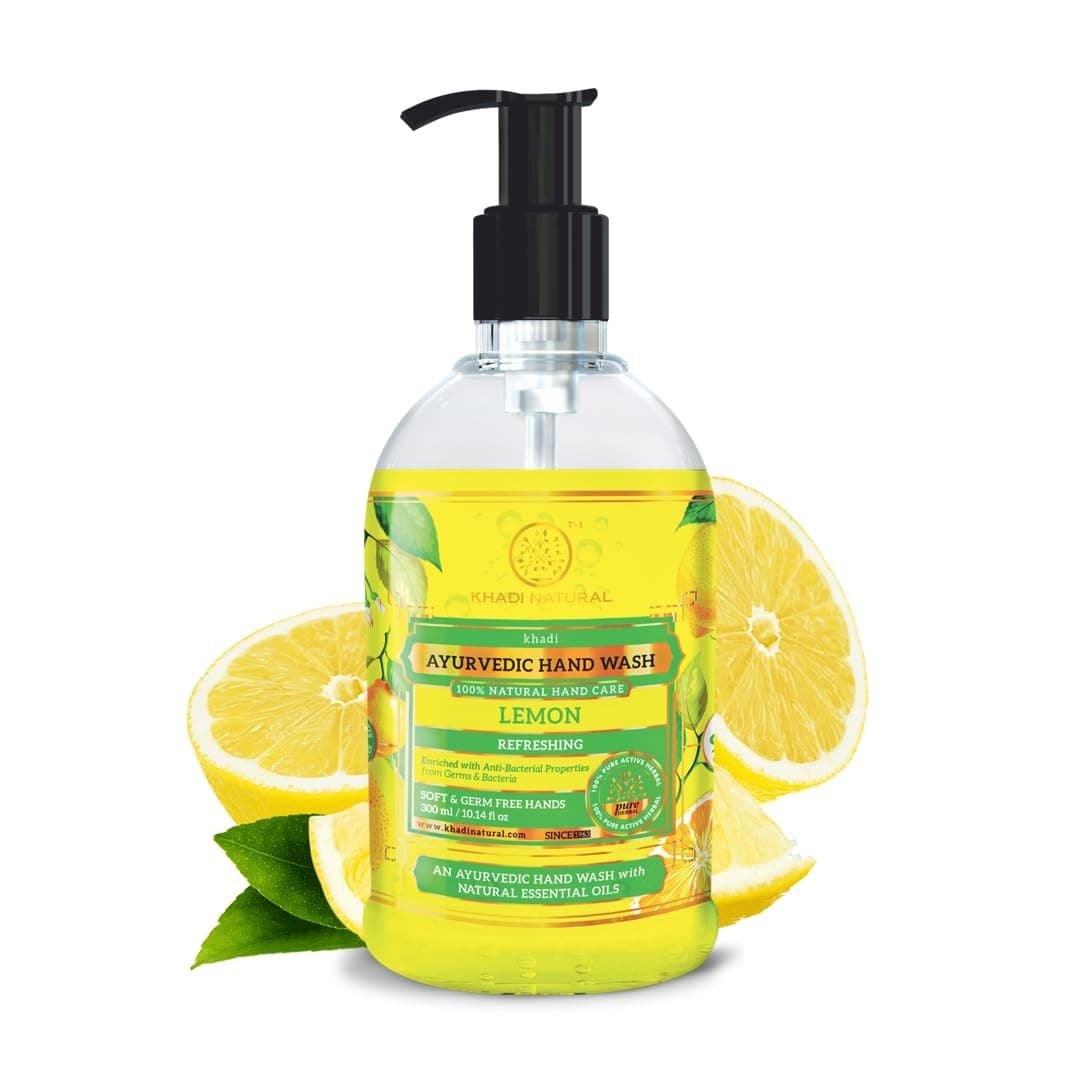
Khadi Natural: Removes dirt and germs while keeping hands soft, clean, and naturally fresh.
-
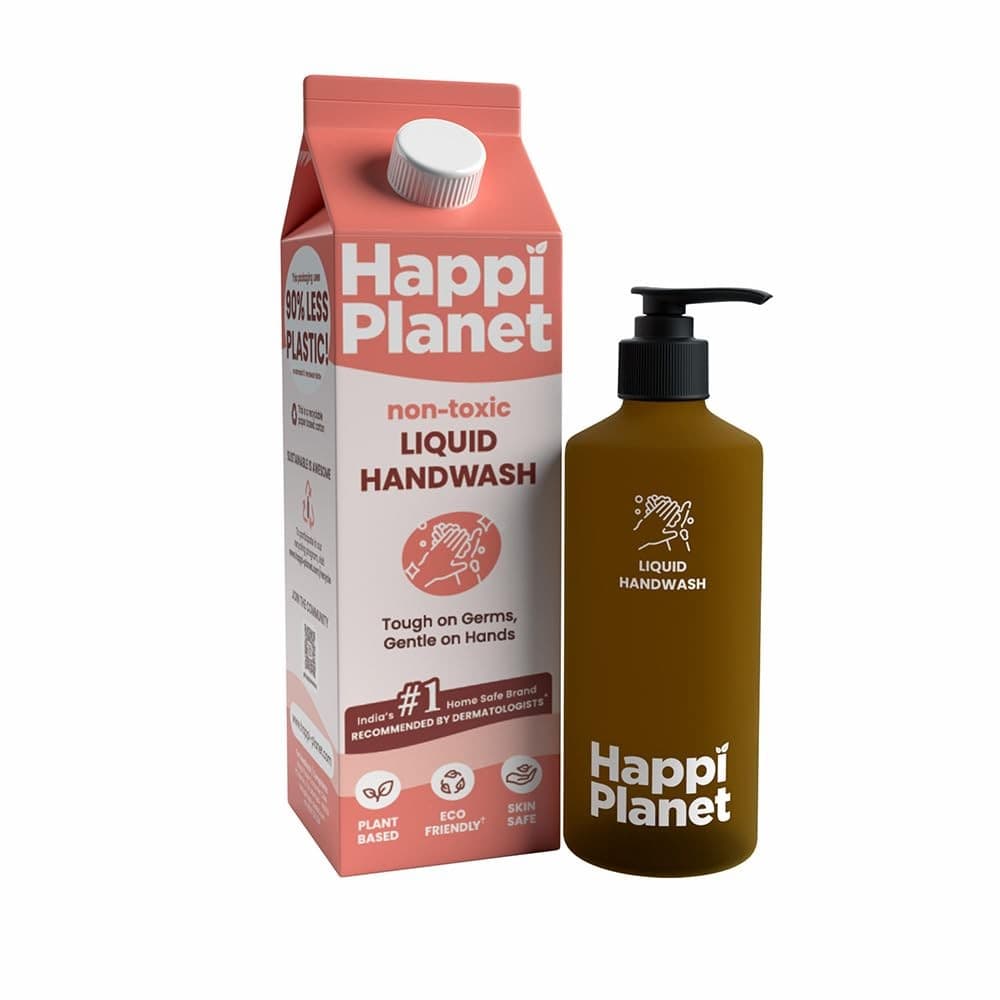
Happi Planet: Gently cleanses, hydrates, and protects hands while being safe for sensitive skin and eco-friendly.
-
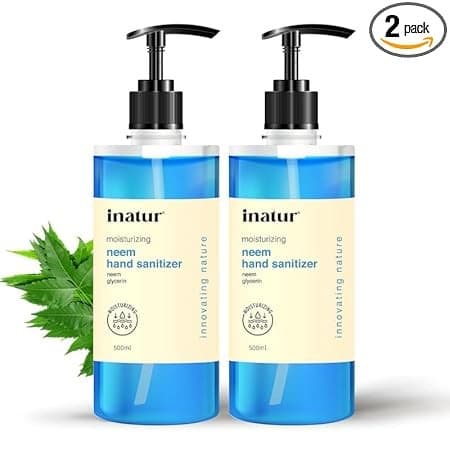
Inatur: Doctor trusted sanitizer safe for kids and family, fast-absorbing non-sticky sanitizer for daily hygiene.
-
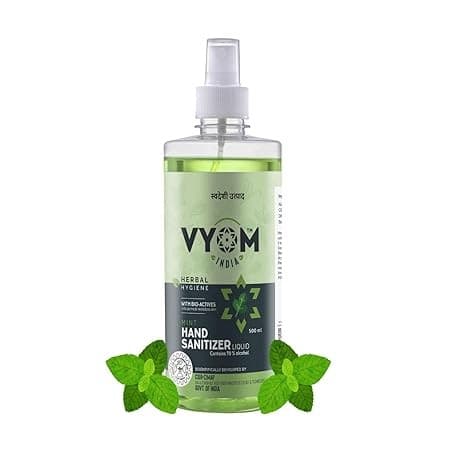
Vyom: Antibacterial hand sanitizer for safe, hygienic protection.