Introduction
Children’s skin is thinner, more sensitive, and more vulnerable to sun damage than adult skin, making the right sunscreen a must-have for outdoor protection. The best children’s sunscreens are gentle, safe, and pediatrician-approved, offering broad-spectrum defense against harmful UVA and UVB rays without irritating delicate skin. Formulated with child-friendly, mineral-based ingredients like zinc oxide or titanium dioxide, these sunscreens provide a protective shield while being free from harsh chemicals, parabens, and artificial fragrances. With the right sunscreen, you can ensure your little one enjoys the sun safely, comfortably, and worry-free. This is why GlamGuider strongly recommends choosing a natural sunscreen for kids with clean, baby-safe ingredients.
Understanding the Why and the How
Why Is Sunscreen Used for Children?
Children’s skin is extra sensitive to the sun’s UV rays, which can cause sunburn, irritation, and long-term skin damage. Since their skin barrier is still developing, they need special, gentle sunscreen that provides strong protection without harmful chemicals. For parents looking for the best baby sunscreen in India, mineral-based options remain the safest choice.
Key Benefits of Using Children’s Sunscreen
These benefits make mineral sunscreens highly recommended sunscreen for babies with sensitive skin.
-
Broad-Spectrum Protection – Shields against both UVA (aging rays) and UVB (burning rays).
-
Reduces Risk of Sunburn – Keeps delicate skin safe during outdoor play.
-
Supports Long-Term Skin Health – Lowers the risk of early skin damage and sensitivity.
-
Gentle Formulas – Pediatrician-approved, mineral-based sunscreens are safe even for sensitive or eczema-prone skin.
-
Water-Resistant Options – Stay effective during swimming, sweating, or active play.
Steps to Use Children’s Sunscreen Effectively
-
Choose the Right Sunscreen – Go for SPF 30 or higher, mineral-based, and pediatrician-tested.
-
Apply Generously – Cover all exposed skin, including face, ears, neck, and hands.
-
Apply Before Sun Exposure – Put on sunscreen 15–20 minutes before heading outdoors.
-
Reapply Regularly – Every 2 hours, and immediately after swimming or heavy sweating.
-
Avoid Sensitive Areas – Keep sunscreen away from eyes and mouth; use a hat for extra protection.
-
Always choose a fragrance: free sunscreen for infants to avoid irritation.
Key Ingredients to Know
These ingredients are commonly found in tested sunscreen for sensitive baby skin. Here are the main ingredients:
-
Zinc Oxide – A natural mineral that provides safe, broad-spectrum UVA & UVB protection.
-
Titanium Dioxide – Gentle, non-irritating, and effective for sensitive skin.
-
Aloe Vera & Chamomile – Soothing agents that calm and hydrate delicate skin.
-
Vitamin E – Antioxidant that nourishes and protects from environmental stressors.
-
Glycerin or Shea Butter – Keep skin moisturized and prevent dryness.
-
Water-Resistant Formulas – Ensure longer-lasting protection during play or swimming.
Ingredients to Avoid in Children’s Sunscreen
-
Oxybenzone & Octinoxate – Chemical filters linked to skin irritation and hormone disruption.
-
Parabens – Preservatives that may irritate sensitive skin.
-
Synthetic Fragrances & Dyes – Can trigger rashes or allergies.
-
Alcohol (Ethanol, Denatured Alcohol) – Dries out delicate skin.
-
Retinyl Palmitate (Vitamin A derivative) – May cause skin sensitivity in sunlight.
Do's & Don’ts
Do’s
GlamGuider also advises choosing gentle sunscreen for toddlers that is dermatologically tested.
-
Choose organic baby sunscreen with SPF 30 or higher.
-
Apply generously and evenly to all exposed areas.
-
Use daily, especially during outdoor play.
-
Pair with protective clothing for additional safety.
-
Check for EWG ( Environmental Working Group) rating of the sun or UV filters before selecting the sunscreen
GlamGuider also advises choosing gentle sunscreen for toddlers that is dermatologically tested.
Don’ts:
-
Avoid sunscreens with harsh chemicals like oxybenzone and avobenzone.
-
Don’t skip reapplying sunscreen, especially after water activities.
-
Don’t use on broken or irritated skin without consulting a doctor
Glam Wrap-Up: Final Tips & Takeaway
Children’s sunscreen is not just a summer essential, it’s a daily shield for delicate skin. By choosing a pediatrician-approved, mineral-based formula, you protect your little one from harmful UV rays while keeping their skin soft and irritation-free. Remember to apply generously, reapply often, and pair sunscreen with hats or light clothing for complete protection.
At GlamGuider, we analyse ingredients, user reviews, and real parent feedback to help recommend the safest and most effective options, especially for parents looking for the best baby sunscreen in India or safe sunscreen for baby face.
Here are our community’s top picks:
-
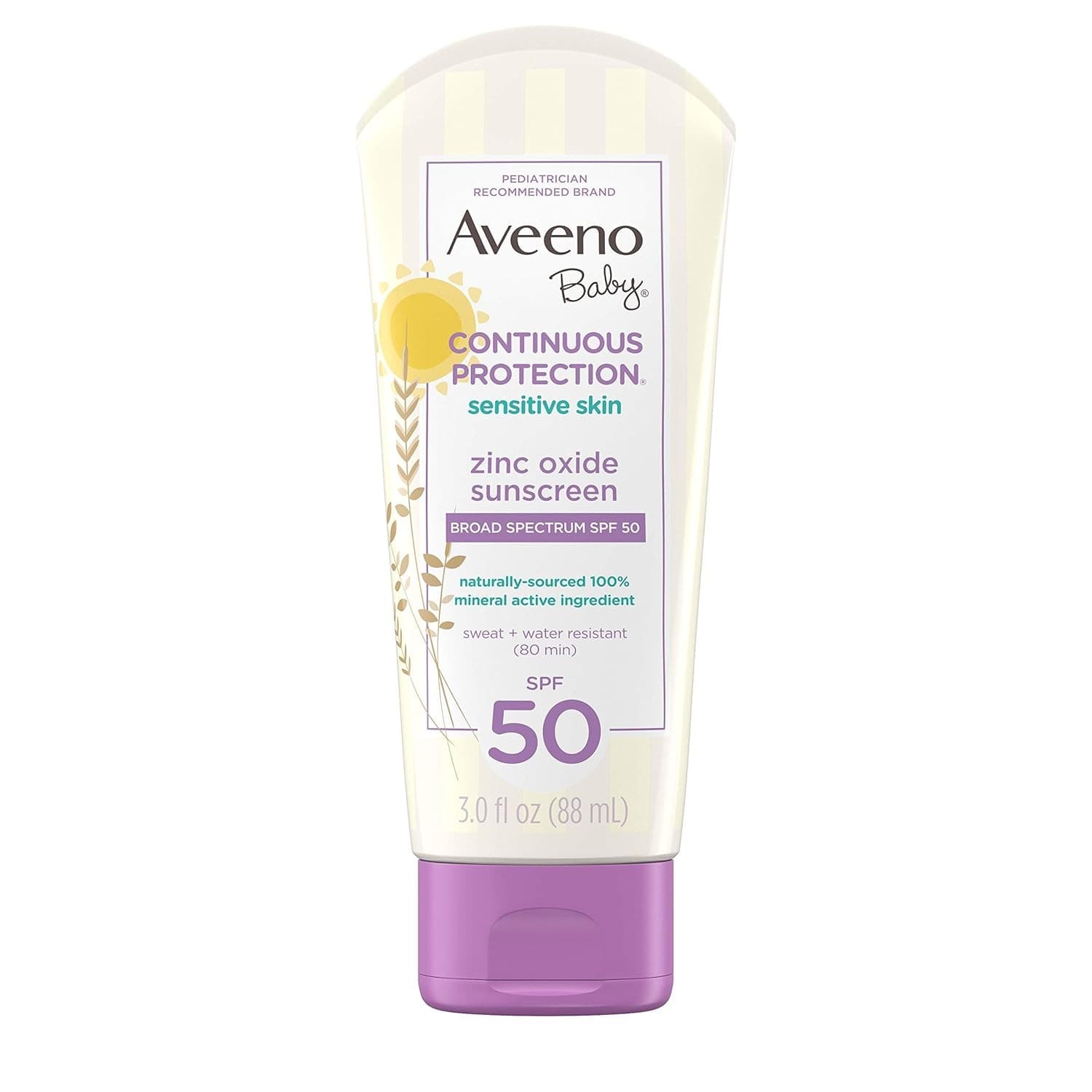
Aveeno: Dermatologist-tested baby sunscreen for gentle, broad-spectrum defense.
-
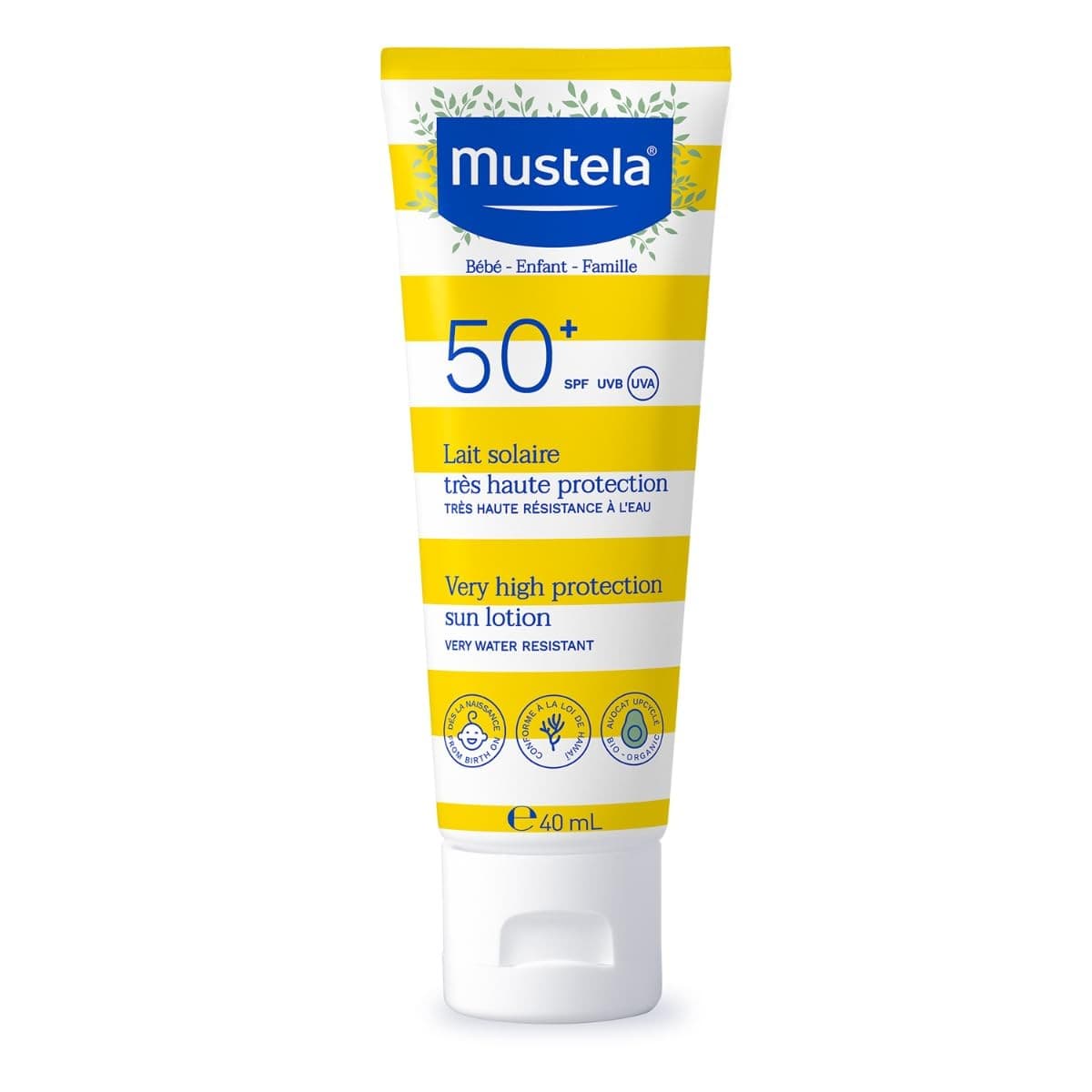
Mustela: Water-resistant sunscreen offers complete UVA and UVB protection.
-
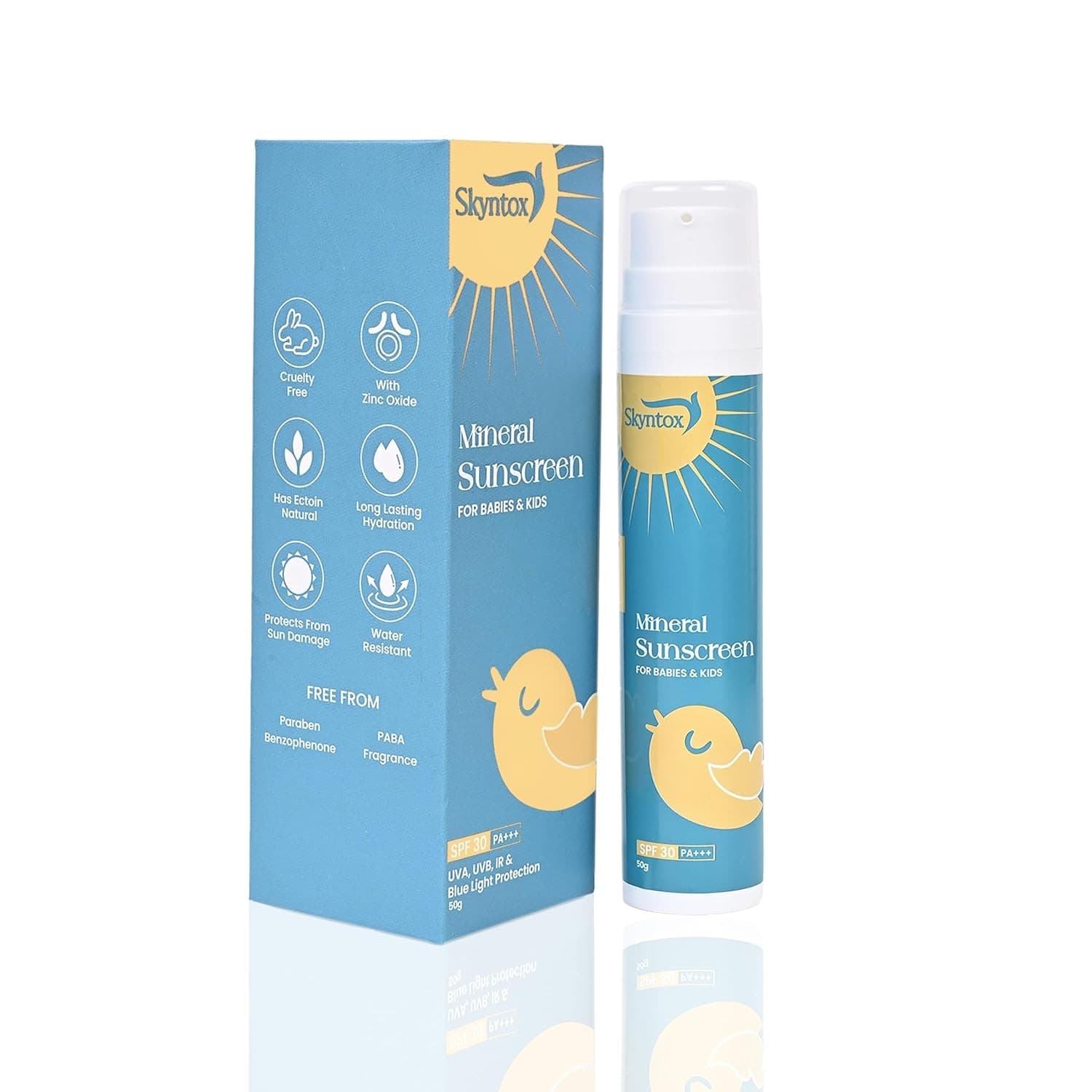
Skyntox: Mineral sunscreen protects kids’ skin with natural zinc oxide.
-
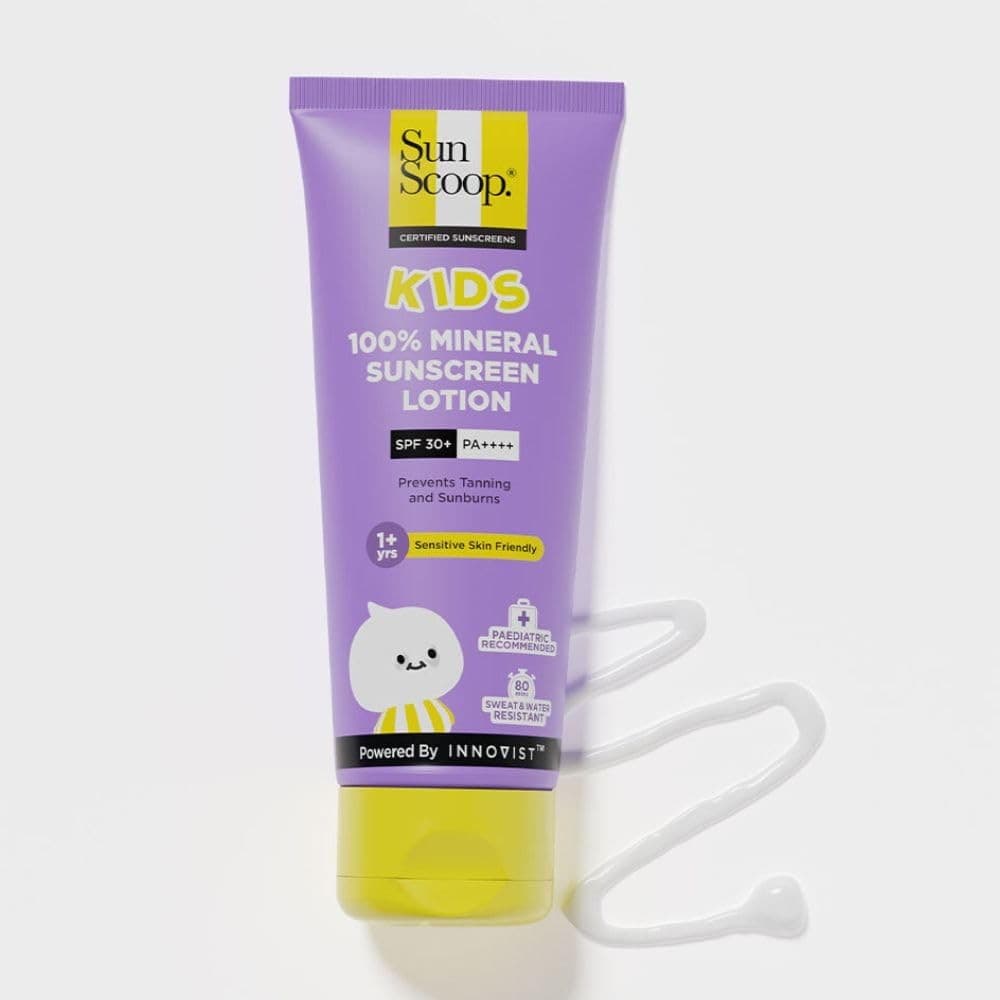
SunScoop: Pediatrician-approved mineral sunscreen for safe kids’ sun protection.