September 19, 2026
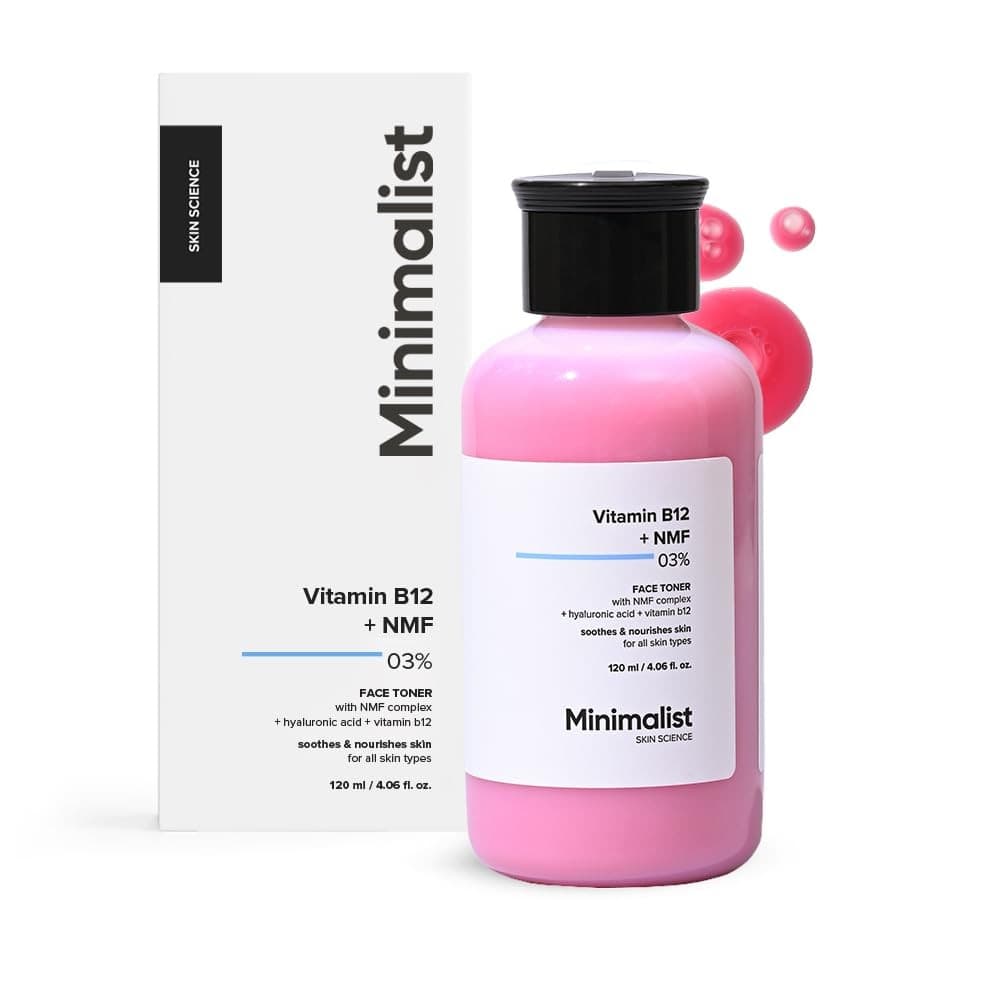
Introduction If you've been exploring skincare, you must have come across these two skincare ingredients: salicylic acid and niacinamide. Both are recommended by dermatologists, but they work in very different ways. This often leaves people wondering whether salicylic acid vs niacinamide; which one is right for your skin? Let's explore how each ingredient works, their unique benefits, and how to choose the one that suits your skincare routine. What is Salicylic Acid? Salicylic acid is a beta hydroxy acid (BHA) that is oil-soluble. It can penetrate deep into the pores, dissolve excess oil, and remove dead skin cells. Because of this unique ability, it is one of the most effective ingredients for treating acne and preventing clogged pores. You'll find salicylic acid in cleansers, toners, serums, and spot treatments. What is Niacinamide? Niacinamide is a form of vitamin B3, an important nutrient that supports healthy skin. Unlike exfoliating acids, niacinamide works by strengthening the skin barrier, improving hydration, calming inflammation, and regulating oil production. It is found in serums, moisturizers, sunscreens, and cleansers, making it suitable for daily use. Salicylic Acid vs Niacinamide Feature Salicylic Acid Niacinamide Ingredient Type Beta Hydroxy Acid (BHA) Vitamin B3 Main Function Exfoliates and unclogs pores Repairs and strengthens skin barrier Skin Concern Acne, blackheads, oily skin Redness, enlarged pores, uneven skin tone Skin Type Oily, combination, acne-prone All skin types How It Works Removes excess oil and dead skin Supports skin barrier and reduces inflammation Frequency 2 to 3 times weekly or as tolerated Once or twice daily Side Effects Dryness, peeling, irritation if overused Well tolerated Salicylic Acid Benefits Deeply Cleanses Pores Salicylic acid penetrates inside the pores to remove excess oil, dirt, and dead skin cells. This helps prevent clogged pores. Helps Treat Acne As it targets clogged pores and reduces inflammation, salicylic acid is effective in managing whiteheads, blackheads, and pimples. Controls Excess Oil One of the biggest salicylic acid benefits is its ability to reduce excess sebum without stripping the natural skin moisture. Improves Skin Texture Regular use can smooth rough skin, reduce congestion, and give your skin a clearer appearance. Prevents Future Breakouts By keeping pores clear, salicylic acid helps reduce the chances of new acne developing. If you have shiny skin, enlarged pores, or frequent breakouts, salicylic acid for oily skin can be beneficial. It helps balance oil production while keeping pores clean and minimizing acne flare-ups. Niacinamide Benefits Strengthens the Skin Barrier A healthy skin barrier helps protect your skin from environmental damage, pollution, and moisture loss. Niacinamide helps strengthen the skin barrier . Reduces Redness and Irritation People with sensitive or acne-prone skin experience redness and inflammation. Niacinamide helps soothe irritated skin. Controls Oil Production Niacinamide can regulate sebum production, making it an excellent choice for oily and combination skin. Minimizes the Appearance of Pores When oil production becomes more balanced, pores appear less noticeable. Improves Skin Tone One of the key niacinamide benefits is its ability to reduce post-acne marks and uneven pigmentation, resulting in a brighter complexion. Niacinamide is an excellent option for oily skin. It helps reduce shine without causing dryness and supports the skin barrier, which is weakened by harsh acne treatments. Which One Should You Choose: Salicylic Acid Vs Niacinamide? Choose Salicylic Acid If: You have frequent acne breakouts. Your skin feels oily throughout the day. You struggle with blackheads or clogged pores. You want a smoother skin texture. Choose Niacinamide If: You have sensitive or easily irritated skin. Your skin barrier feels damaged or dry. You want to reduce redness and inflammation. You are looking to improve uneven skin tone and post-acne marks. Choose Both If: You have acne-prone, oily skin but also experience redness or irritation. You want clearer skin while maintaining a healthy skin barrier. You're looking for a balanced skincare routine that targets multiple concerns. Conclusion When it comes to salicylic acid vs niacinamide, each ingredient has unique strengths that make it valuable for different skin concerns. Salicylic acid is ideal for unclogging pores, reducing acne, and managing excess oil. Niacinamide strengthens the skin barrier, calms irritation, improves hydration, and helps even out skin tone. If your skin tolerates active ingredients well, combining both can give you the best results for your skin. Introduce them gradually, follow with a moisturizer, and never skip sunscreen during the day. With consistent use and the right routine, your skin can become clearer, calmer, and more resilient over time. Frequently Asked Questions 1. Which is better: salicylic acid vs niacinamide? Salicylic acid is best for acne and clogged pores, while niacinamide is better for strengthening the skin barrier, reducing redness, and improving skin health. 2. Can I use salicylic acid and niacinamide together every day? Yes, you can use them together. Beginners should introduce salicylic acid gradually while using niacinamide daily to minimize irritation. 3. Is salicylic acid good for oily skin? Yes. Salicylic acid for oily skin helps remove excess oil, unclog pores, and reduce acne breakouts, making it a good choice for oily and acne-prone skin. 4. Is niacinamide suitable for acne-prone skin? Yes. Niacinamide for oily skin helps regulate oil production, reduces inflammation, and supports skin healing, making it beneficial. 5. Which ingredient is better for reducing pores? Both ingredients help improve the appearance of enlarged pores. Salicylic acid keeps pores clean, while niacinamide reduces excess oil and improves skin texture.